


Victoria’s Airbnb market is increasingly dominated by profit-driven property investors, who are buying multiple homes in popular tourist towns and leasing them out to short-term holidaymakers. This trend is depleting the rental stock available for long-term residents, exacerbating the housing affordability crisis in the region, according to a new report.
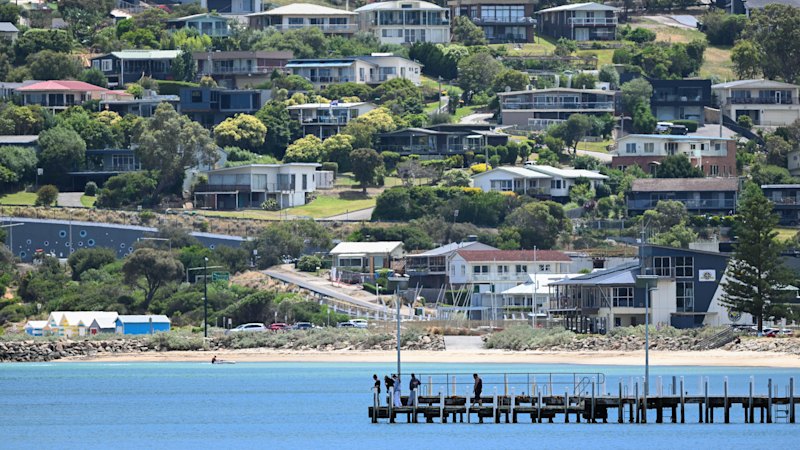
The report highlights that the corporatization of Airbnb is particularly affecting housing in hotspots such as the Bass Coast and Mornington Peninsula. The analysis, which examined four years of Airbnb listings data, reveals a significant departure from the platform’s original “sharing economy” model, where travelers stayed with a homeowner or at a property while the owner was away.
Shift from Hosts to Ghosts
Most Airbnb listings are now owned by landlords who lease multiple properties and do not reside there, often outsourcing management to third parties. This shift is significant as it removes thousands of potential long-term rental homes from the market. In 2019, 55% of short-stay residential properties listed on Airbnb across Australia were hosted by a resident. By 2023, that figure had decreased to 42%, with 58% of listed properties not hosted.
“There are now more listings for entire homes than there are for hosted rentals, which is a shift away from the original premise of platforms like Airbnb for property owners to host visitors in spare rooms,” said Dr. Michaela Lang, a research fellow at Monash University.
Dr. Lang led a report by the Australian Housing and Urban Research Institute, which found that Airbnb has transformed from a platform of hosts to ghosts. Between 2019 and 2023, the number of hosted homes on Airbnb fell by 32%, from 73,000 to 50,000, while non-hosted properties rose by 15%, from 60,000 to 69,000.
Regional Impact and Trends
The Mornington Peninsula has seen a 28% increase in non-hosted properties, rising from approximately 2,500 in 2019 to 3,300 in 2023, making it a central hub for Airbnb in Australia. Similarly, Bass Coast Shire, including the popular Phillip Island, experienced a 30% surge in the same period. In contrast, listings in central Melbourne decreased significantly, from 2,600 in 2019 to less than 2,000 in 2023.
Dr. Lang noted that the decline in Airbnb listings in Melbourne aligns with a national trend, with cities like Sydney and Brisbane also seeing reductions, while non-hosted listings have increased sharply in holiday destinations such as the Whitsundays, Noosa, and the Barossa Valley.
“For some of these towns, housing has just become incredibly unaffordable and unavailable,” Dr. Lang stated. “Tourists can be great for your business, but some of those areas are hitting densities where it’s difficult to get staff because it’s so difficult to find housing.”
Local Perspectives and Economic Implications
Mornington Peninsula Shire Mayor Anthony Marsh remarked on how Airbnb has altered the holiday rental landscape, with modest beach houses now being rented out by owners making substantial profits. “We get 8 million visitors a year, so there is, to some extent, a reliance on these holiday rentals. But Airbnb has changed it from the little shack that people might rent out in Blairgowrie over a couple of weeks to what’s very much this commercial business model now,” Marsh explained.
He further noted that many properties could serve as affordable long-term rental accommodations, but owners find short-term rentals more lucrative. “Thinking of say, Rye, I’m sure if you jump on Airbnb and look at some of the houses, they’re probably reasonably normal beach houses that are making an absolute killing during the week. But if they’re on the rental market, that would be probably considered affordable, and I think that’s where it’s doing the biggest damage,” he said.
Government Response and Future Outlook
In response to the growing crisis, the Victorian government introduced a 7.5% levy on short-stay accommodation bookings starting January 1, with the aim of making more properties available for long-term rentals. This measure is part of broader efforts to address housing shortages and affordability issues in the state.
As the debate over short-term rentals continues, stakeholders are closely watching the impact of such regulatory measures. The future of the Airbnb market in Victoria may hinge on balancing the needs of tourists and residents, ensuring that holiday towns can thrive economically without compromising housing availability for locals.