




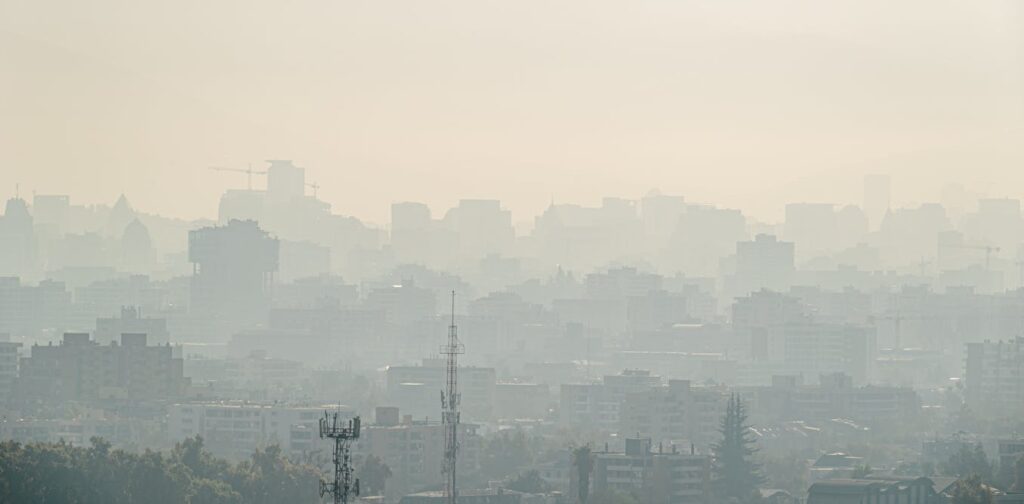
Air pollution has long been associated with heart and lung diseases, but a comprehensive study in the United States now suggests it may also elevate the risk of Alzheimer’s disease, the most prevalent form of dementia. The research tracked nearly 28 million older adults over six years and found that those exposed to higher levels of fine particulate air pollution were more likely to develop Alzheimer’s.
These fine particles, known as PM2.5, originate primarily from the combustion of fossil fuels, wildfires, agricultural burning, and industrial processes. Measuring less than 2.5 micrometres, they are small enough to penetrate deep into the lungs and enter the bloodstream.
Methodology and Findings
The U.S. study utilized Medicare insurance claims to confirm Alzheimer’s diagnoses and analyzed area data by postcode for fine particle pollution levels. It also considered other factors that could influence the link, such as the prevalence of smokers or overweight individuals in more or less polluted areas. However, using postcode data has its limitations, as it does not account for proximity to highways, industries, or forests, nor does it capture indoor pollution from sources like cleaning products, wood burners, or candles, which can vary significantly from one household to another.
Furthermore, postcodes do not always accurately reflect poverty, a factor linked to many Alzheimer’s risk factors, including lower educational attainment, poorer access to nutrition and healthcare, and living in more polluted areas. The study accounted for poverty and deprivation by examining Medicaid eligibility, which applied to 26% of the participants.
The findings are particularly concerning given that pollution levels in the studied areas were, on average, about twice as high as the World Health Organization (WHO) limit. The WHO recommends that annual PM2.5 levels should not exceed five micrograms per cubic metre of air.
Biological Implications and Broader Evidence
The study revealed that the increased Alzheimer’s risk in polluted areas persisted even when considering factors like high blood pressure, stroke, and depression, which are linked to both air pollution and Alzheimer’s. However, these conditions did not fully explain the relationship between air pollution and Alzheimer’s.
Biologically, the link is plausible as air pollution with fine particles may damage the brain by increasing inflammation and promoting oxidative stress, leading to brain cell malfunction. The particles are small enough to enter the bloodstream and can obstruct blood flow to the brain.
This study is alarming, yet it is not the first to suggest a connection between air pollution and dementia. When researchers combined data from 20 studies across America, Europe, and Asia, they observed a clear pattern: higher levels of PM2.5 particles in the air correlated with a higher risk of dementia.
For every additional ten micrograms of PM2.5 per cubic metre of air, the risk of dementia increased by around 40%. The risk of Alzheimer’s disease rose by about 47%, and the risk of vascular dementia doubled entirely.
The Global Picture
PM2.5 pollution is notably high in countries like India, China, and parts of Africa, where dementia risk is also rising at alarming rates. In Indonesia, research suggests that the percentage of people over 65 with suspected dementia could be double or even triple that of the European Union. Meanwhile, China faces significant costs due to its growing population of dementia patients. Although initial policy changes in China reduced fine particle emissions, their effectiveness has waned in recent years.
Implications and Future Directions
The implications of this study are profound, suggesting that reducing air pollution could be a crucial step in mitigating the risk of Alzheimer’s disease. Policymakers worldwide may need to prioritize air quality improvements as part of broader public health strategies to combat the rising tide of dementia.
As research continues to unravel the complex relationship between environmental factors and neurological health, experts emphasize the importance of comprehensive approaches that address both external and internal pollution sources. Future studies are likely to delve deeper into the biological mechanisms at play and explore potential interventions to protect vulnerable populations.
The findings underscore the urgent need for global cooperation in addressing air pollution and its far-reaching impacts on health, reinforcing the call for stricter regulatory standards and innovative solutions to reduce emissions and protect public health.