


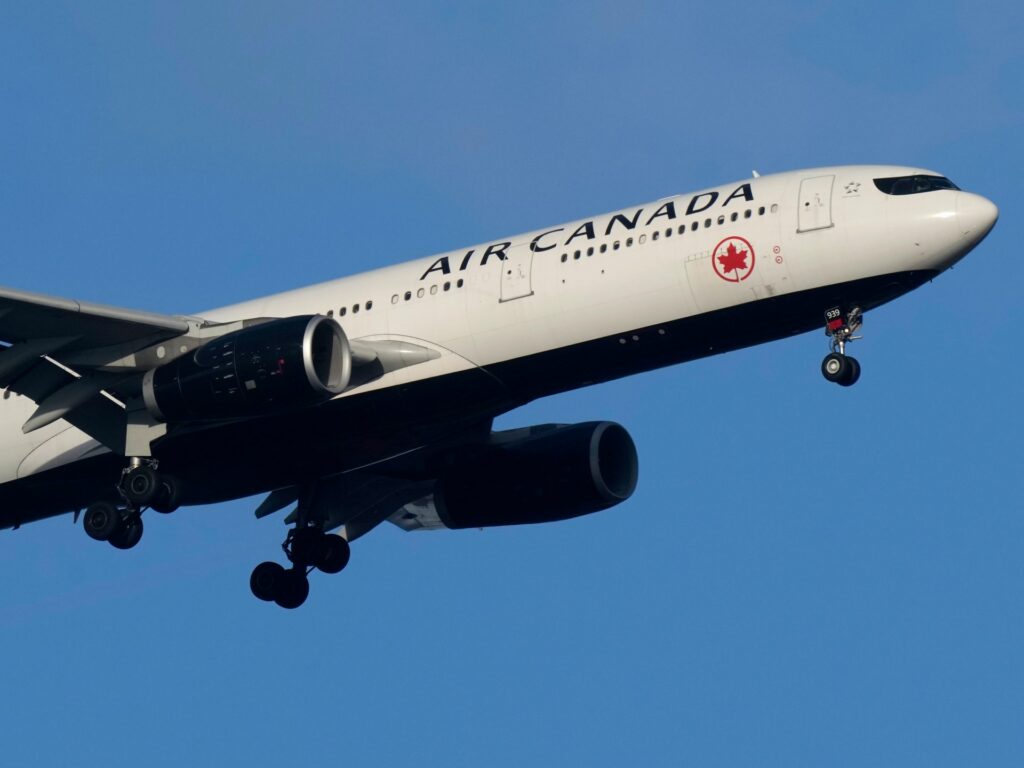
Air Canada has announced the suspension of its flights to Cuba, citing a severe aviation fuel shortage on the island. The decision, disclosed in a press release on Monday, follows advisories from various governments regarding the unreliable supply of aviation fuel at Cuban airports.
“Air Canada took the decision following advisories issued by governments about the unreliability of aviation fuel supply at Cuban airports,” the airline stated. The suspension is set to begin as of February 10, when aviation fuel is expected to become commercially unavailable at airports across Cuba. In the interim, Air Canada plans to tanker additional fuel and make technical stops for refueling on return journeys if necessary.
Immediate Impact on Travelers
The airline’s immediate priority is the safe return of approximately 3,000 customers currently in Cuba. To achieve this, Air Canada will deploy empty flights southbound to retrieve these passengers. The carrier, which operates an average of 16 weekly flights to four Cuban destinations, has already canceled seasonal flights to Holguin and Santa Clara. Flights to Varadero and Cayo Coco are tentatively scheduled to resume on May 1.
Meanwhile, a Notice to Air Missions (NOTAM) issued by Havana’s Jose Marti International Airport confirmed that “Jet A1 fuel will not be available” starting Tuesday at 5 a.m. (10:00 GMT), with this restriction expected to last until March 11. This measure will impact nine international airports, including major hubs like Havana, Varadero, and Santiago de Cuba.
Broader Economic and Political Context
The fuel shortage is part of a broader economic crisis exacerbated by geopolitical tensions. Historically, Cuba has relied heavily on Venezuela for its jet fuel supply. However, since mid-December, the island has not received any crude or refined products from Venezuela due to U.S. sanctions aimed at blocking exports from the South American nation.
U.S. President Donald Trump has been vocal about his administration’s stance, stating, “It looks like it’s something that’s just not going to be able to survive. It is a failed nation.” The U.S. has further threatened tariffs on any country that attempts to send fuel to Cuba, effectively cutting off the island’s aviation gas supply.
Mexico, once Cuba’s largest oil supplier following Venezuela, also ceased its shipments under U.S. pressure in mid-January. Despite these challenges, Cuba has faced similar crises in the past, prompting airlines to develop contingency plans, such as refueling in third countries like Panama, the Bahamas, and the Dominican Republic.
Current Airline Operations
Despite the challenges, most flights into Havana were reported on time and on schedule as of Monday morning. U.S. carriers, including American Airlines, Southwest Airlines, and Delta Air Lines, have stated they continue to operate flights to Cuba without experiencing significant operational disruptions. These airlines have ensured their aircraft carry sufficient fuel for subsequent trips, thus mitigating the immediate impact of the fuel shortage.
Looking Ahead
The suspension of Air Canada’s flights to Cuba underscores the severe impact of geopolitical tensions on the island’s economy and its aviation sector. As the situation unfolds, the Cuban government has implemented additional measures, such as closing hotels with low occupancy rates, to conserve fuel.
Experts suggest that unless diplomatic resolutions are reached, Cuba’s aviation and tourism sectors may continue to face significant hurdles. The international community will be closely watching how the situation develops, particularly as airlines and travelers adapt to the evolving circumstances.
For now, Air Canada’s strategic response highlights the complexities of operating in regions affected by political and economic instability, setting a precedent for other carriers navigating similar challenges.