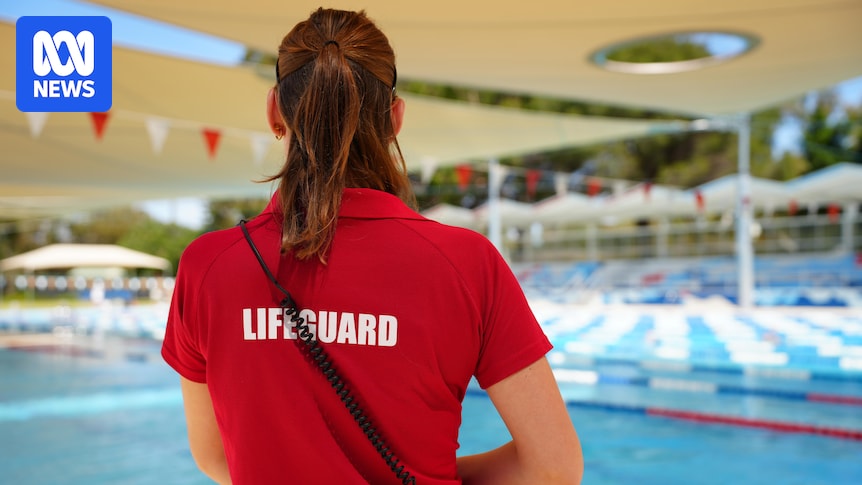
If you’re planning to take a dip in a local swimming pool this summer, you might be under the watchful eye of more than just a lifeguard. Across the country, 120 public pools are adopting cutting-edge technology designed to detect potential drowning incidents and alert staff immediately.
This innovative AI system analyzes swimmers’ movements in the water, sending alerts to lifeguards via smartwatches if it detects someone in distress. “It gives them eyes in the back of their head,” explained Duncan Hutton, the recreational facilities operations coordinator for the City of Stirling.
How the AI System Works
The system integrates with a pool’s existing CCTV infrastructure, monitoring for signs such as a swimmer staying underwater too long, stopping movement, or showing signs of struggle. Despite the technological assistance, Hutton emphasized, “You still need the lifeguard to actually respond to the incident.”
Proven Success in Life-Saving Situations
The AI technology has already demonstrated its life-saving potential. At the Stirling Leisure-Inglewood pool in Perth, where the system has been operational for over a year, it played a crucial role in a recent rescue. “Our lifeguard got notified initially … luckily, during the rescue we had a member of the public actually swim over the top,” Hutton recounted.
Similarly, Royal Life Saving Australia (RLSA) highlighted an incident in Sydney where the system prevented a tragedy. A swimmer was trapped beneath a boom, a type of moveable bulkhead. The AI system prompted the lifeguard to take a second look, using multiple overhead views from different angles, leading to a successful rescue.
“So, that’s an example where the human limitation of what we can see through refraction, through glare, through line of sight barriers are significant in these environments,” Hutton noted.
Impacts on Safety and Stress Levels
According to RLSA, the technology is expected to become a standard feature in Australian pools. The organization is currently studying its impact through a research partnership with Lynxight, a leading AI drowning-prevention tool brand. The additional layer of surveillance is already making a difference.
“They have what we call chronic unease, where they come into work, and they’re constantly in a state of elevated stress because of the risk that someone could drown on that shift,” said Hutton. “And so having this extra layer of support, we’re already seeing … that lifeguards are feeling more confident, pool managers are feeling more confident, everyone is sleeping a little bit better at night the night before a shift.”
Expert Opinions and Future Considerations
Professor Paul Salmon from the University of the Sunshine Coast views this as one of the “more positive uses of AI,” though he expressed some reservations. “The intention is to assist humans in doing their job and it seems to be a technology that is working and can work,” he stated. However, he raised concerns about potential over-reliance on technology and skill degradation among lifeguards.
“So, you know, how are we going to prevent over-reliance on the technology? How are we going to prevent skill degradation in lifeguards, in detecting people who are drowning in a pool?”
In response, Royal Life Saving Australia is committed to maintaining vigilance against complacency. The organization has developed a comprehensive training program for lifeguards, which is set to be implemented nationwide soon.
The introduction of AI technology in public pools represents a significant advancement in water safety, providing an additional safeguard against drowning incidents. As this technology becomes more widespread, the focus will remain on balancing technological assistance with human expertise to ensure the highest standards of safety are upheld.