



Former Collingwood sports science director David Buttifant has raised concerns over the Australian Football League’s (AFL) extended off-season, suggesting it may contribute to the recent spike in player injuries. As players return from their Christmas break, the AFL’s Collective Bargaining Agreement (CBA) is once again under the microscope.
The current CBA mandates a minimum nine-week break for players between seasons, an increase from the previous agreement. This extended period allows clubs not participating in finals to potentially have around 90 days of remote work, depending on their schedule. Contact during these months is limited and determined by player needs and welfare.
Concerns Over Player Development and Injury Risks
Despite the intentions behind the CBA, Buttifant, who was part of Collingwood’s team during its successful run to four grand finals under Michael Malthouse, argues that the extended break might hinder player development, especially for younger athletes. He stated,
“I think the thing is that when we give so much time off, it can inhibit development and growth, particularly in some of the younger players.”
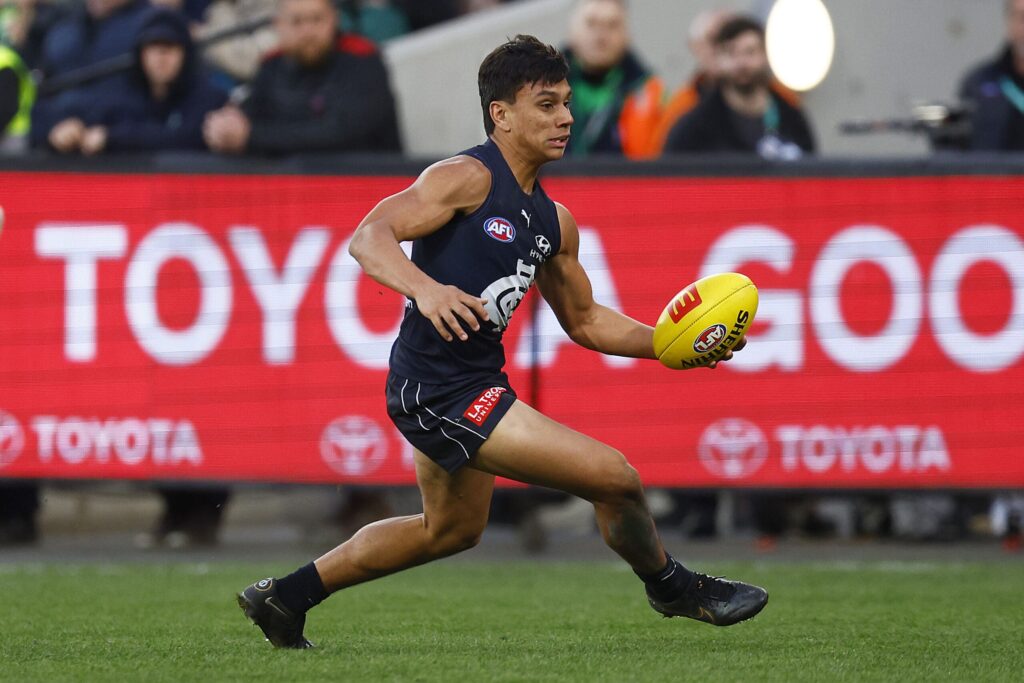
Buttifant explained that players have limited team training before Christmas and then face a short turnaround before the intensity of games resumes. This rapid escalation can predispose them to injuries. His comments come as North Melbourne defender Jackson Archer and Carlton forward Jesse Motlop have both suffered ACL tears, ruling them out for the 2026 season.
The Role of Off-Season Training
Part of the injury risk is attributed to what players do during their time away from the club. Many athletes pursue external fitness projects to enhance their athletic abilities. While this initiative is often encouraged, it lacks the monitoring that club-led training provides, potentially leading to issues.
Buttifant noted,
“It’s not being monitored as closely because they could be going to people that really may be compromising the methodology or principles that the club would want.”
This lack of oversight could lead to either overtraining or undertraining, creating further risks upon their return.
Impact of Injuries on Season Performance
Research supports the notion that an interrupted pre-season often results in a disrupted season. Buttifant emphasized,
“If you have an interrupted pre-season through soft tissue or other injury, more than likely you’re going to have an interrupted season.”
Players with injuries like calf or hamstring strains may miss crucial weeks, affecting their readiness for the start of the season.
Collingwood’s Darcy Moore and Jeremy Howe have already suffered minor calf strains, while Isaac Quaynor is dealing with a hamstring concern. Port Adelaide’s Tom Cochrane is also sidelined with a significant hamstring strain.
Calls for Increased Contact Time
Buttifant advocates for more contact time between players and clubs during the off-season. He believes this would allow for better monitoring and support, reducing injury risks and aiding in player development.
“I think more contact time would definitely help because then you can monitor, you can mitigate those things that are out of your control,”
he stated.
He also highlighted the importance of maintaining a connection between coaches and players, particularly younger athletes who are more susceptible to injuries.
“Particularly the younger cohort, because [first top third-year players] are four times more likely to get injured than your older players,”
Buttifant explained.
As the AFL continues to navigate these challenges, the debate over the balance between player welfare and performance will persist. The league may need to reassess its current policies to ensure both the health and success of its athletes in the coming seasons.