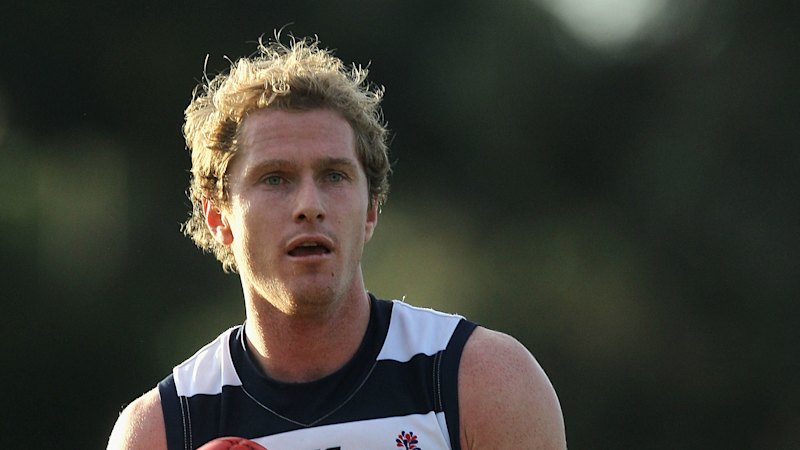
Former AFL star Troy Selwood made a profound decision to donate his brain to concussion research, a wish he formalized in November 2021, four years before his tragic death. Selwood, who played 75 games for the Brisbane Lions, stated in his will that it was his “wish to donate my brain for research for concussion in sport if possible.”
The announcement comes as a significant move in the sports world, as Selwood is believed to be the first AFL player to make such a request. His career was marked by a series of heavy head knocks, a common risk in contact sports, which likely influenced his decision.
The Selwood Legacy and Impact on AFL
Troy Selwood’s untimely death in February last year was a devastating blow to the AFL community. His twin brother, Adam Selwood, a former West Coast Eagles player, described Troy as his “built-in best mate.” Tragically, Adam also died by suicide months later, further shaking the football world. Adam played 187 games for West Coast and was part of the club’s 2006 premiership victory.
The Selwood family, including siblings Joel and Scott Selwood, are beloved figures across AFL clubs. The deaths of the twins have not only left a void but have also sparked crucial conversations about mental health and the long-term impacts of concussions in sports.
Understanding Chronic Traumatic Encephalopathy (CTE)
Chronic traumatic encephalopathy (CTE) is a degenerative brain disease associated with repeated mild traumatic brain injuries. Currently, CTE can only be diagnosed posthumously, making research and brain donations like Selwood’s vital. Symptoms of CTE include memory loss, depression, anxiety, suicidal thoughts, and behavioral changes.
Last year, West Coast Eagles premiership player Adam Hunter was posthumously diagnosed with CTE. Hunter’s family decided to donate his brain to the Australian Sports Brain Bank after his death in February last year. Preliminary findings indicated that Hunter died from drug-related heart failure at the age of 43.
“CTE was first observed in boxers in the 1920s, and research has since expanded to include American football players and, more recently, Australian contact sports like NRL, AFL, and rugby union.”
Implications for the Future of Sports
The move represents a growing awareness and concern over the long-term health effects of concussions in sports. As more athletes come forward with similar stories, the pressure mounts on sports organizations to address these issues proactively. The AFL, along with other sports bodies, faces increasing calls to implement more stringent safety protocols and provide better support for players dealing with the aftermath of concussions.
According to experts, brain donations like Selwood’s are crucial for advancing scientific understanding of CTE and developing potential interventions. Dr. Michael Buckland, Director of the Australian Sports Brain Bank, emphasizes the importance of such contributions, stating, “Every brain donation helps us piece together the puzzle of how repetitive head injuries impact brain health.”
Meanwhile, the AFL community continues to grapple with the loss of the Selwood brothers, using their stories as a catalyst for change. The hope is that increased awareness and research will lead to better protection and support for current and future athletes.
The conversation initiated by Troy Selwood’s selfless act may well pave the way for a safer sporting environment, ensuring that the health and well-being of players remain a top priority.