
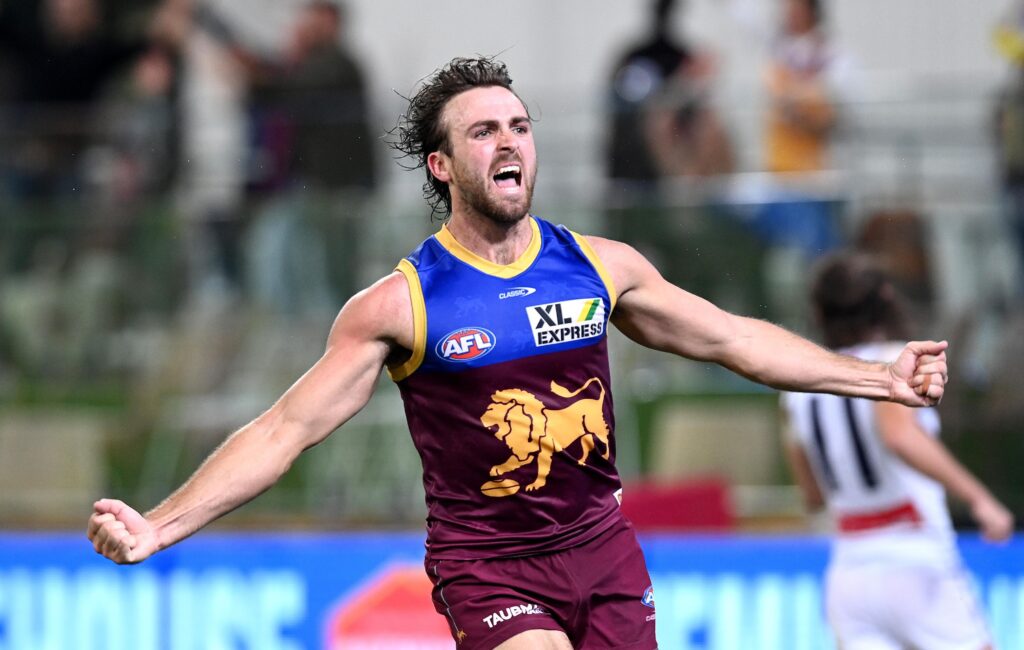
The Australian Football League (AFL) has confirmed that former Brisbane Lions player Rhys Mathieson has been banned for three years following an anti-doping violation. The ban stems from an in-competition sample collected on August 10 last year, during Mathieson’s time with Wilston Grange in the Queensland Australian Football League. The sample tested positive for Oxymetholone, a substance classified as an Anabolic Androgenic Steroid under the World Anti-Doping Code.
This suspension means Mathieson, 28, is prohibited from participating in any sport adhering to the World Anti-Doping Code until August 10, 2027. The announcement comes amid ongoing efforts by the AFL to maintain the integrity of the sport and ensure a level playing field for all athletes.
Mathieson’s Response and Future Aspirations
On Thursday, Mathieson acknowledged his awareness of the banned status of the substance he ingested. Following the conclusion of his AFL career, Mathieson expressed a desire to transition into bodybuilding, a field where he felt free to experiment with various supplements.
“I dived into a lot of gym supplements, I mean a lot – a lot of them. And some you would just buy off the shelves … and some of the boys had their own and I was willing to put anything, sort of, in my body to transform,” Mathieson said on the Rip Through It podcast.
Mathieson shared his enthusiasm for bodybuilding, describing it as a passion and a new goal post-AFL. He detailed his fascination with the science of body transformation and expressed hopes of competing professionally in bodybuilding.
Career Highlights and Challenges
Mathieson’s AFL journey began when he was drafted with pick 39 in the 2015 draft. Over the course of his career, he played 72 games for the Brisbane Lions, with his last appearance in 2022. Despite his efforts, Mathieson struggled to secure a position in the Lions’ senior team during the 2023 season, which culminated in a push towards the Grand Final. Consequently, he was delisted at the end of that year.
His transition from professional football to bodybuilding highlights a common path for athletes seeking to continue their competitive pursuits post-retirement. However, Mathieson’s case underscores the importance of understanding and adhering to doping regulations even outside the traditional sports arena.
Broader Implications and Expert Opinions
The AFL’s decision to impose a three-year ban on Mathieson reflects the league’s strict stance on doping violations. This development follows a series of initiatives aimed at educating players about the risks and consequences of performance-enhancing drugs.
According to sports ethics expert Dr. Jane Collins, “The case of Rhys Mathieson serves as a cautionary tale for athletes transitioning between sports. The allure of bodybuilding and its supplement culture can sometimes blur the lines of acceptable substance use.”
“Athletes need to be vigilant and informed about what they consume, as the repercussions of a positive test can be career-defining,” Dr. Collins added.
Looking Ahead
As Mathieson navigates his suspension, the AFL continues to bolster its anti-doping measures, emphasizing education and prevention. The league’s commitment to clean sport remains unwavering, with ongoing efforts to support athletes in making informed decisions about their health and careers.
For Mathieson, the path forward involves reflection and adaptation. While his immediate sporting future is uncertain, his passion for bodybuilding presents an opportunity to redefine his athletic identity within the bounds of regulatory compliance.