

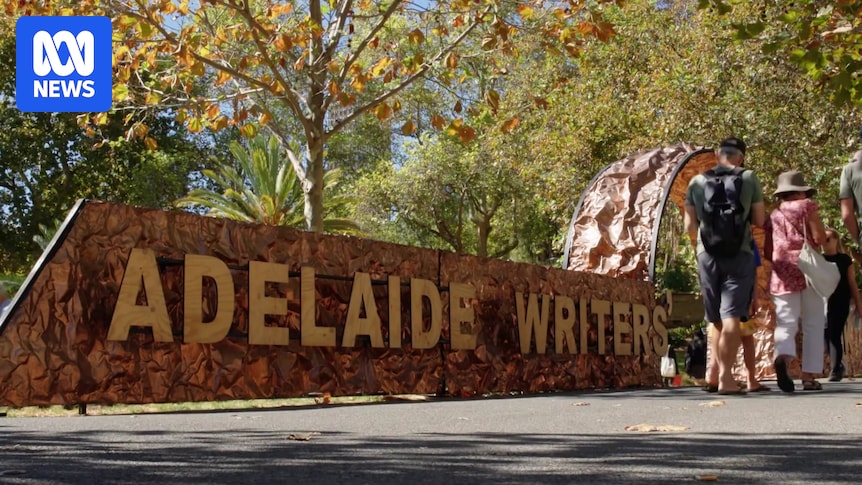
The Adelaide Festival board is facing increasing pressure to reinstate Palestinian-Australian author Randa Abdel-Fattah’s invitation to the Adelaide Writers’ Week. This follows an open letter signed by nearly a dozen former festival leaders who described her exclusion as an “egregious incursion on free speech” that should be reversed “immediately”.
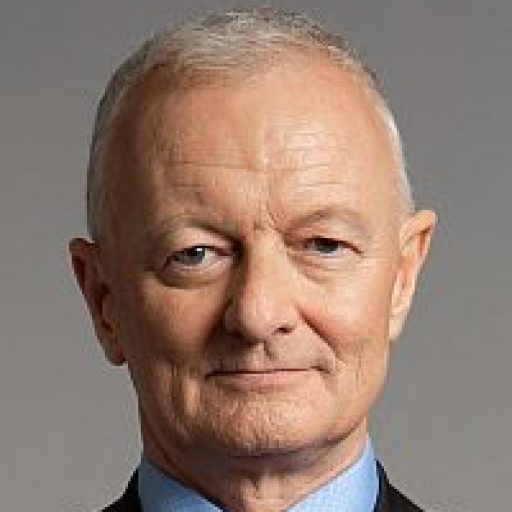
The letter, signed by 11 former Adelaide Festival leaders, includes notable figures such as ex-Adelaide Writers’ Week director Jo Dyer, chair Peter Goldsworthy, and recently departed Adelaide Festival chief executive Kath Mainland. Other signatories include former Adelaide Festival artistic directors Rob Brookman, David Sefton, Jim Sharman, and Anthony Steel, as well as former festival administrators Ian Scobie, Neil Armfield, and Mary Vallentine. Ex-festival CEO Nicholas Heyward also added his name to the list.
Controversial Decision Sparks Backlash
The decision to dis-invite Abdel-Fattah has led to a growing number of author withdrawals from the festival. Abdel-Fattah was originally scheduled to discuss her new novel, “Discipline,” set during Ramadan and exploring the lives of two characters from different parts of the Muslim world. Her vocal criticism of Israel, including a 2024 social media post where she called for “the end of this murderous Zionist colony,” has been cited as a reason for her exclusion.
The Adelaide Festival board announced on Thursday that they had dropped Abdel-Fattah’s event, citing concerns over cultural sensitivity in light of recent events. Premier Peter Malinauskas supported the decision, stating that Abdel-Fattah had “advocated in writing explicitly against the cultural safety of those who believe in Zionism.”
Wider Implications and Reactions
Abdel-Fattah has condemned the decision as “an extremely racist and obscene attempt to associate me with an atrocity.” The fallout has led to a significant boycott of the festival by numerous authors, including Miles Franklin winners Michelle de Kretser and Melissa Lucashenko, as well as Helen Garner, Trent Dalton, and Pulitzer Prize-winner Percival Everett, among others.
“There is one remedy for the justified public outcry at this egregious incursion on free speech and the damaging series of withdrawals it has caused,” the letter from former festival leaders states. “We call upon the board to reinstate Dr Abdel-Fattah’s invitation to the 2026 Adelaide Writers’ Week immediately.”
The open letter also criticized the festival board for lacking artist representation and accused them of “mere double-speak” in their commitment to promoting community cohesion. “Rather than resolving division, the Board’s decision has and will create it,” the letter asserts.
Future of the Festival in Question
Norman Schueler, public and government liaison for the Jewish Community Council of South Australia, confirmed that the council had requested Abdel-Fattah’s removal from the Writers’ Week line-up. “The board [has] completely, appropriately disinvited her and personally, I’m very, very surprised it appears a large cohort of people have decided to support her,” Schueler said.
The Adelaide Festival board, led by marketing executive Tracey Whiting, has not commented further since the decision was made. In a Facebook post, the festival announced it would temporarily disable social media comments due to staff’s inability to monitor them over the weekend.
Meanwhile, the Writers’ Week website has “temporarily unpublished” its list of participants and events in respect of the authors who have withdrawn. The event is scheduled to run from February 28 to March 5, but the extent of author and sponsorship withdrawals raises questions about its future.
South Australia’s Trade and Investment Minister Joe Szakacs dismissed suggestions that the controversy had harmed the state’s reputation as “the festival state.” He emphasized the independence of the Writers’ Week board and the importance of artistic freedom. “It is entirely up to writers and artists to charge their own way forward,” he stated.
As the situation unfolds, the Adelaide Festival board faces the challenge of balancing cultural sensitivity with artistic freedom, a tension that may shape the festival’s future and its role in the global literary community.