


In a surprising turn of events, the Adelaide Festival Centre has announced the discontinuation of the Adelaide Guitar Festival, a beloved event that has captivated audiences since its inception in 2007. The decision comes as part of a broader strategic overhaul of the Centre’s programming, which will also see changes to the OzAsia Festival. This strategic shift aims to rejuvenate South Australia’s flagship performing arts venue.
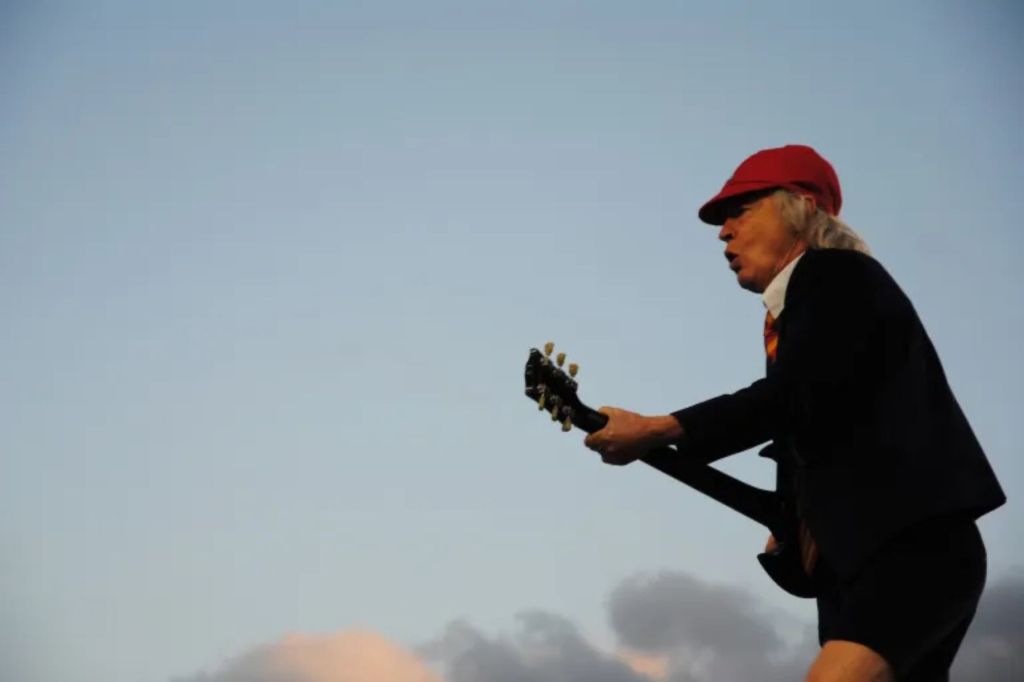
Founded as the biennial Adelaide International Guitar Festival, the event has been a significant cultural fixture, drawing renowned guitarists such as Tommy Emmanuel, Kaki King, and Chris Thile’s Punch Brothers. Under the artistic direction of classical guitarist Slava Grigoryan since 2010, the festival has evolved into an annual celebration of guitar music, featuring diverse performances and tributes.
This year’s lineup included performances by John Butler, Lior, Troy Cassar-Daley, and a tribute to Led Zeppelin’s Physical Graffiti, along with an orchestra of 50 guitarists ranging in age from 10 to 79. Despite the festival’s closure, its regional touring program, ‘On the Road’, will continue to bring music to broader audiences.
Strategic Changes and New Directions
The announcement was made via a media release on Friday afternoon, coinciding with the city’s preparations for the bp Adelaide Grand Final, featuring headliners AC/DC and Lenny Kravitz. The festival’s closure marks the first major programming change since the departure of former CEO Douglas Gautier AM, who recently took on a new role in Saudi Arabia.
Kate Gould, Gautier’s successor and a former Adelaide Festival chief executive, has unveiled a new strategic direction for the Adelaide Festival Centre. This includes a year-round performing arts initiative, ‘CentreStage’, and a contemporary arts program aimed at engaging diverse and younger audiences.
“By 2030, Adelaide Festival Centre’s venues will be destinations for arts, entertainment, and culture, open to all, night and day,” Gould stated. “We will extend our commitment to children and young people with an ambitious new goal: to deliver quality arts and cultural experiences to every South Australian school-aged child by 2035.”
Future Plans and Community Impact
The Centre is currently undergoing a $35 million refurbishment, which includes upgrades to the Festival Theatre, Dunstan Playhouse, and Space Theatre, as well as the addition of a new concept restaurant. These renovations are expected to be completed by February 2026, enhancing the venue’s appeal and accessibility.
While Slava Grigoryan was unavailable for comment, Adelaide Festival Centre Trust Chair, The Hon. Karlene Maywald, expressed gratitude for the contributions of Grigoryan, Gautier, and executive producer Sarah Bleby. “We thank Slava, Sarah, and the hundreds of incredible artists and ensembles who have performed over the years,” Maywald said.
Broader Cultural Landscape
In a parallel development, the state government has announced the extension of the annual supercars event until 2034, with the recent bp Adelaide Grand Final attracting an estimated 285,700 attendees. This highlights Adelaide’s ongoing commitment to hosting major cultural and sporting events, even as the Festival Centre shifts its focus.
The decision to end the Guitar Festival and reimagine the OzAsia Festival reflects a broader trend in the arts sector, where institutions are increasingly seeking to diversify their offerings and engage new audiences. As Adelaide Festival Centre embarks on this new chapter, it remains to be seen how these changes will resonate with the community and the wider arts landscape.