



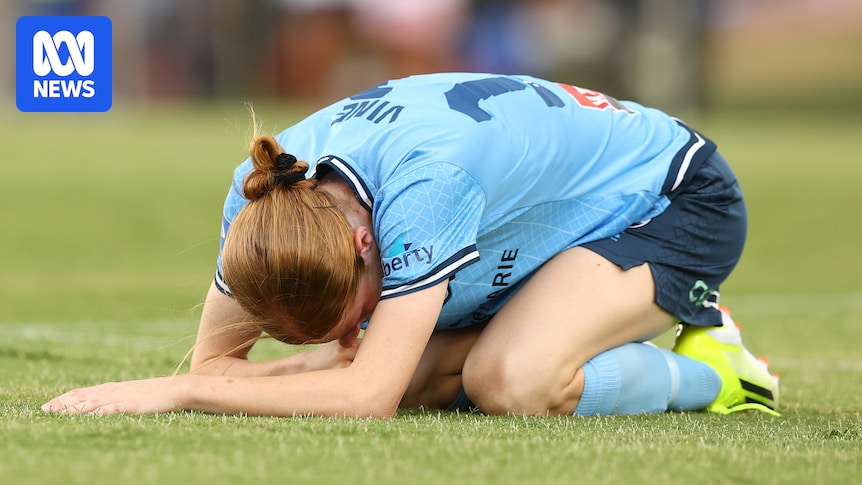
More than two-thirds of A-League Women players experienced psychological distress last season, grappling with issues such as disordered eating, alcohol misuse, and disturbed sleep. This alarming statistic comes from a report released by Professional Footballers Australia (PFA), the players’ union, highlighting the mental health challenges faced by athletes in the league.
Matildas veteran Tameka Yallop attributed the distress to the pressures of performing like full-time athletes without receiving equivalent pay or support. The PFA’s annual report for the 2024-25 season, published on Wednesday, advocates for full-time professionalism ahead of the next collective bargaining agreement scheduled for 2026-27.
Key Findings of the PFA Report
The mental health audit, conducted in collaboration with FIFPRO, revealed that 67 percent of players had experienced sport-related psychological distress. The report also noted significant prevalence of disordered eating (41 percent), alcohol misuse (34 percent), and disturbed sleep (28 percent).
“It’s obviously distressing to see and I think it’s a compilation of the stresses that we’ve been put under with the extension of the home-and-away [season] to full-time, yet still being part-time and still having other jobs,” said PFA co-president Tameka Yallop.
Yallop emphasized the unrealistic expectations placed on players, who are expected to focus solely on football despite having to juggle other jobs to make ends meet. The lack of adequate support exacerbates the stress, leading to issues like disordered eating.
Financial Struggles and Professional Expectations
Brisbane captain Yallop noted that playing for Australia and clubs overseas provided her with a platform to avoid these issues, but acknowledged that not all players have similar opportunities. The average salary in the A-League Women is just over $30,000, with a minimum wage of $26,000, the lowest among Australia’s top women’s leagues.
In the report, 76 percent of players reported their financial situation as “not at all” or only “slightly” secure, while 62 percent worked outside football in-season.
Adelaide midfielder Dylan Holmes highlighted the stress of the off-contract period, typically lasting three to four months. “Every year it gets to January, February, and personally, I get a lot of anxiety and stress about that time,” Holmes said. The lack of financial security during this period adds to the pressure of maintaining professional athletic standards.
Calls for Change and Future Prospects
Yallop urged the league to implement full-time wages and programs to eliminate the financial and psychological burdens players face. “The PFA are providing the support for us to get through it, but it needs to be a collective overall league adjustment to give us the foundations to actually break through those pressures,” she stated.
The push for full-time professionalism is not just about financial stability but also about ensuring the well-being of players who are currently navigating a precarious balance between their athletic commitments and other responsibilities. As the league looks towards the next collective bargaining agreement, the hope is that these issues will be addressed to foster a healthier environment for athletes.
This development follows a broader global conversation about the treatment and support of women athletes, as sports organizations worldwide grapple with similar challenges. The move towards full-time professionalism represents a critical step in aligning the expectations and support systems for A-League Women players, potentially setting a precedent for other leagues.