


Washington, March 23, 2026 — In a city where sports bars are typically dominated by football, basketball, and hockey, a new kind of establishment is turning heads. The Situation Room, a bar that swaps out sports for screens displaying CNN, oil prices, and even the “Pentagon pizza index,” has opened its doors in the heart of the capital. This unconventional venue is the latest marketing venture by Polymarket, a prediction market giant where users can trade shares on the outcomes of real-world events.
Polymarket’s concept is akin to sports betting but extends to a broader spectrum of events. Patrons can use cryptocurrency to place bets on scenarios ranging from geopolitical shifts, like the potential fall of the Iranian regime, to cultural phenomena such as the winner of Eurovision 2026. The bar’s launch, however, was marred by technical difficulties, with screens meant to display live odds and financial data failing to function, forcing an early closure on opening night.
The Rise of Prediction Markets
Despite the initial hiccup, prediction markets are gaining traction as a lucrative business model. Kalshi, Polymarket’s main competitor, has seen its valuation double to an estimated $22 billion in just three months. These platforms allow users to buy and sell shares based on the likelihood of various events, effectively setting odds through collective user activity rather than centralized oddsmakers.
While prediction markets are banned in some regions, including Australia, due to licensing issues, they remain accessible through virtual private networks. In the United States, Polymarket recently re-entered the market after receiving federal regulatory approval, marking a significant milestone for the industry.
A New Kind of Social Hub
By the day after its rocky debut, The Situation Room had resolved its technical issues and was bustling with activity. The venue attracts a diverse crowd, from news junkies to casual observers, all eager to engage with the live data streams and prediction markets displayed on the bar’s screens. These include everything from geopolitical threat monitors to the latest cryptocurrency prices.
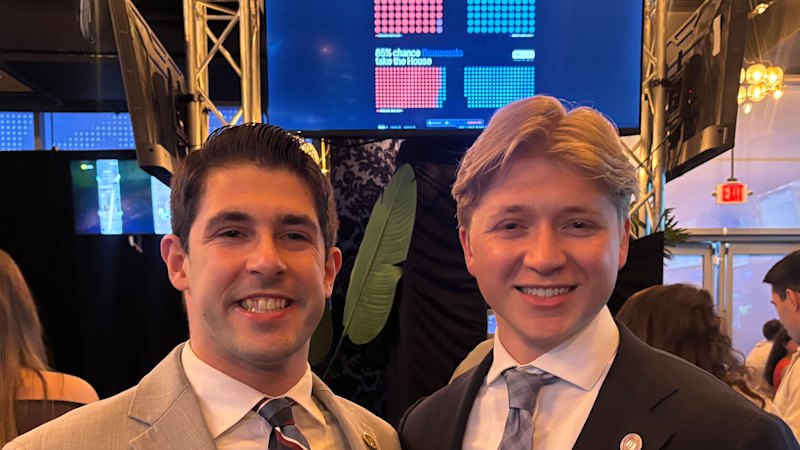
Sam Bilotta, a 25-year-old news enthusiast, and his friend John Jennings, an IT consultant, are typical of the bar’s clientele. “We saw this on Twitter,” says Bilotta. “I’m a news junkie, and I thought this would be a really cool bar.” Jennings adds, “We’re definitely on Twitter a lot. We love to monitor the situation.”
Controversy and Criticism
Despite its growing popularity, the prediction market industry faces significant criticism. Democratic congresswoman Alexandria Ocasio-Cortez recently condemned Major League Baseball’s partnership with Polymarket, arguing that pervasive gambling is detrimental to society. “It turns life into a casino, traps people in addiction and debt, surges domestic violence, and fosters manipulation,” she stated.
The anonymity afforded by cryptocurrency transactions has also raised concerns about potential corruption. A notable incident involved an anonymous Polymarket user who reportedly profited $400,000 by betting on the ousting of Venezuelan leader Nicolás Maduro just hours before it occurred.
The Future of Prediction Markets
While some politicians and think tanks remain wary, others see potential in these platforms. Donald Trump Jr., an investor in Polymarket, supports the industry’s growth, and Michael Selig, head of the Commodity Futures Trading Commission, has defended prediction markets against state-level bans. “The CFTC will no longer sit idly by while overzealous state governments undermine the agency’s exclusive jurisdiction over these markets,” he wrote in The Wall Street Journal.
Back at The Situation Room, patrons like Bilotta and Jennings maintain that they are not gamblers but rather data enthusiasts. “I have never actually gambled on any of this stuff,” Jennings notes. “I use it just to watch what’s happening, monitor the situation, stay in the know.”
As prediction markets continue to evolve, they offer a unique blend of finance, technology, and social interaction, potentially reshaping how people engage with world events. Whether they become a staple of modern culture or remain a niche interest will depend largely on regulatory developments and public perception.