


The size of a hailstone can significantly impact the extent of damage it causes, yet predicting its size remains a scientific challenge. This is where citizen scientists come into play. NASA has launched an initiative inviting volunteers to join the SouthEAst REgion CoCoRaHS Hail (SEaRCH) project, a community-based effort to gather data on hailstones.
This project is part of the broader Community Collaborative Rain, Hail, and Snow (CoCoRaHS) network, supported by NASA, the National Oceanic and Atmospheric Association (NOAA), and the National Science Foundation. The network comprises a diverse group of backyard weather observers who contribute to understanding local precipitation variations by reporting on rain, hail, and snow.
Understanding the Science Behind Hail
Hailstones form in strong thunderstorm updrafts, where they can grow in size before falling to the ground. However, as they descend, they begin to melt, making it difficult to predict their final size upon impact. This melting process is crucial for scientists aiming to forecast hail-related damage.
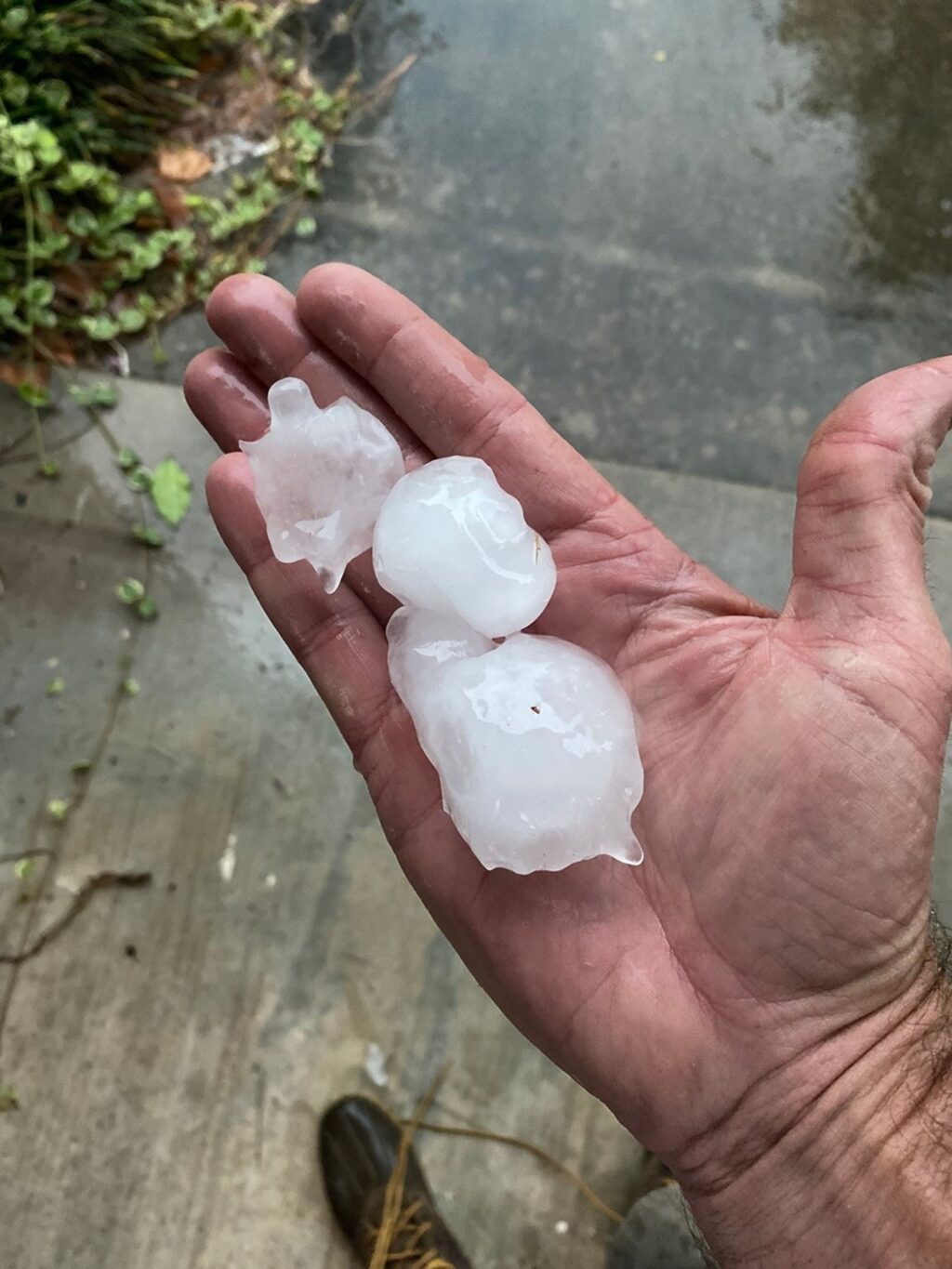
Jeremy Kichler, a dedicated CoCoRaHS volunteer, exemplifies the project’s impact. On June 14, 2023, Kichler reported a storm in his area with hailstones measuring between 0.5 inches (12 mm) and two inches (51 mm) in diameter. These hailstones caused significant damage, denting cars and damaging rooftops. Kichler’s detailed report, complete with photos, was submitted to the National Weather Service, underscoring the value of citizen contributions.
The Role of Citizen Science
NASA scientists utilize these volunteer reports alongside archived satellite data and newly developed hail melt profiles to model hailstone melting processes. This collaborative approach enhances the accuracy of weather predictions and helps mitigate potential damage from severe storms.
“I love the project, and I love being able to contribute meaningful data,” says Jeremy Kichler, a CoCoRaHS volunteer.
Such enthusiasm from volunteers like Kichler highlights the importance of public involvement in scientific research. The data collected not only aids in immediate weather predictions but also contributes to long-term climate studies.
Joining the Effort
For those interested in participating, joining the CoCoRaHS network is straightforward. Volunteers need only a smartphone and the free CoCoRaHS mobile app to start reporting hail. For rain and snow observations, a specific manual gauge approved by the National Weather Service is required.
Detailed instructions and resources are available on the NASA Citizen Science website, offering a comprehensive guide to becoming a part of this impactful project. The initiative is open to individuals of all ages and backgrounds, fostering a diverse community of amateur meteorologists.
Broader Implications
The SEaRCH project is more than just an exercise in data collection; it represents a significant step towards democratizing science. By involving the public, NASA and its partners are not only gathering essential data but also educating and engaging communities in scientific endeavors.
As climate change continues to influence weather patterns, understanding precipitation variations becomes increasingly critical. The data collected by CoCoRaHS volunteers plays a vital role in informing policy decisions and improving disaster preparedness strategies.
CoCoRaHS data is regularly used by the National Weather Service, the Hydrologic Prediction Center, the U.S. Department of Agriculture, the National Drought Mitigation Center, broadcast meteorologists, research scientists, and more.
Looking Ahead
The success of the SEaRCH project could pave the way for similar initiatives in other regions, harnessing the power of citizen science to address complex meteorological challenges. As more volunteers join the effort, the potential for groundbreaking discoveries and enhanced weather forecasting grows.
For those eager to contribute to this vital research, the CoCoRaHS network offers a unique opportunity to make a tangible impact on scientific understanding and community resilience. To explore further, visit the public map or view specific reports like the hail report highlighted in this article.