



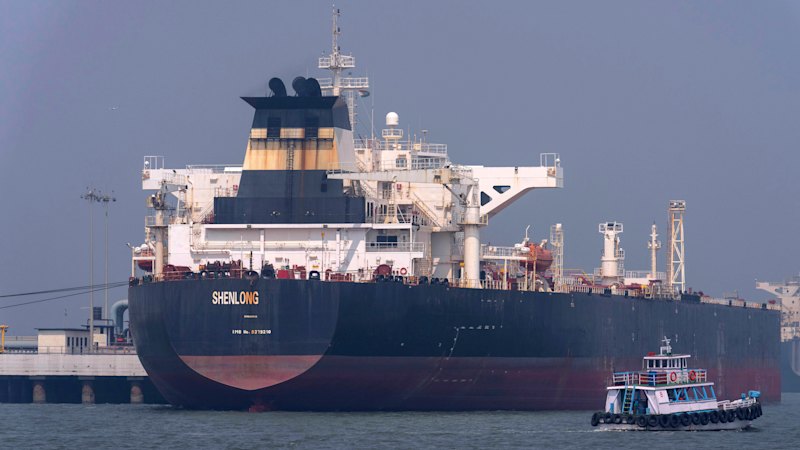
The International Energy Agency (IEA) has called on Australians to work from home, reduce driving speeds, and limit air travel to mitigate the risk of a severe oil shortage. This warning comes as tensions in the Middle East threaten to disrupt global oil supplies, particularly if the Strait of Hormuz remains closed.
On Friday, the Paris-based IEA, established after the 1973 oil crisis to prevent similar shocks, emphasized that a recent release of 400 million barrels of oil would not suffice to counteract the potential impacts of the ongoing conflict. The agency’s executive director, Fatih Birol, has been at the forefront of efforts to stabilize the market by releasing reserve stocks. He warned that without a “swift resolution, the impacts on energy markets and economies are set to become more and more severe.”
Global Energy Crisis and Market Reactions
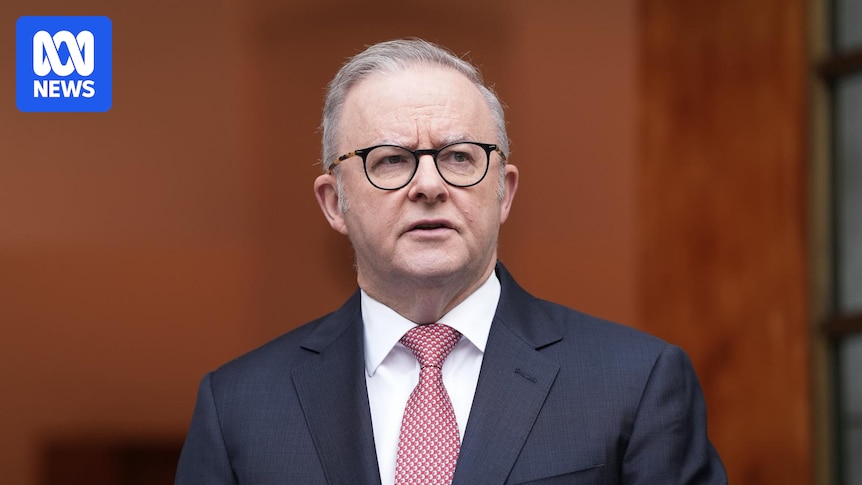
The current crisis, sparked by escalating tensions between Israel and Iran, has led to significant disruptions in the global oil market. Israeli Prime Minister Benjamin Netanyahu expressed optimism about a swift resolution, but Australian Prime Minister Anthony Albanese has remained cautious, avoiding direct comments on Australia’s absence from a joint statement by Western nations supporting the reopening of the strait.
In response to the conflict, companies are adjusting to inflationary pressures. Uber announced a fare increase to support a 6% rise in driver earnings, while Virgin Australia plans to raise airfares by 5%. These moves come as drivers face reduced earnings due to soaring petrol prices.
Government Measures and Economic Implications
The Albanese government has extended subsidies to Australia’s last two oil refineries, aiming to ensure their survival into the next decade amid growing concerns about energy self-sufficiency. Additionally, discussions are underway about imposing a windfall tax on gas firms or adjusting the petroleum resource rent tax, as global LNG prices surge following Israeli strikes on Iran’s South Pars gas facility.
Despite these measures, the government has sought to calm public fears of fuel shortages, emphasizing that imports continue to flow, albeit potentially at reduced volumes from mid-April. The IEA has proposed 10 policies to help governments worldwide reduce oil demand, including encouraging remote work, lowering speed limits, and promoting public transportation.
International and Domestic Responses
While some developed countries have yet to implement travel restrictions, many Asian and less developed nations have taken steps to curb fuel consumption. Countries like France, Japan, and South Korea have capped fuel retailer margins or prices to manage the crisis. In Australia, the government is not publicly discussing detailed fuel conservation plans, though it acknowledges that more drastic measures may be necessary if the conflict persists.
Energy Minister Chris Bowen highlighted that the IEA’s recommendations are merely options, not mandates. He assured that fuel rationing is not currently being considered, though the government remains vigilant. Meanwhile, Foreign Minister Penny Wong and other officials are actively engaging with international counterparts to secure oil supplies.
Long-term Solutions and Global Cooperation
Birol has also advocated for longer-term strategies, such as increasing the adoption of electric vehicles. Spain’s shift to renewable energy has been cited as a factor in its lower energy prices, even as other European nations scale back climate policies to address the energy crunch.
In a concerning development, China has instructed fertilizer exporters to halt overseas shipments, heightening fears among Australian farmers. This follows China’s earlier decision to stop exporting jet fuel, on which Australia heavily relies.
Wong’s recent discussions with US Secretary of State Marco Rubio underscored the need for international cooperation to ensure the security of critical waterways. However, Australia was notably absent from a joint statement by several Western nations pledging support for safe passage through the Strait of Hormuz.
Looking Ahead
As the world grapples with the energy crisis, the IEA’s call for reduced oil consumption highlights the urgent need for coordinated global action. The Albanese government’s response will be crucial in navigating the challenges ahead, balancing immediate economic pressures with long-term sustainability goals.
With the situation evolving rapidly, Australians and the international community alike are watching closely for developments that could reshape the global energy landscape.