

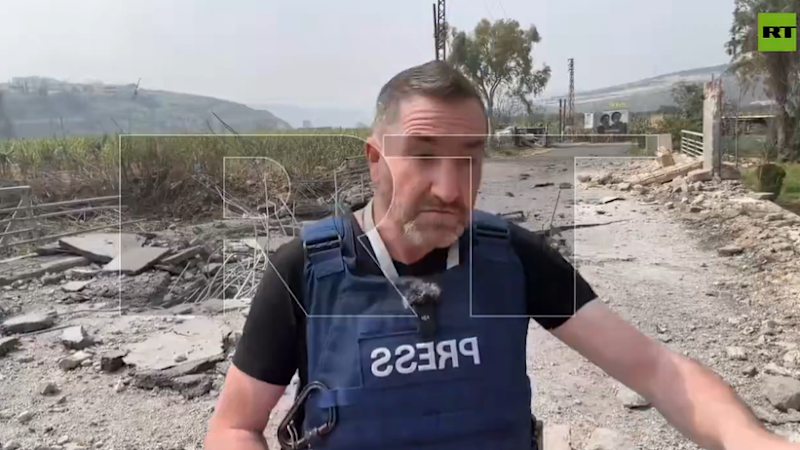
In a dramatic escalation of tensions in the Middle East, a journalist and cameraman working for Russian state broadcaster RT were injured in an Israeli strike in southern Lebanon. The incident, captured in striking footage, has prompted Israel’s military to assert that an “explicit warning had been issued regarding this area.” This development comes amid a broader conflict involving the United States and Iran, with significant geopolitical and economic repercussions.
The Pentagon has requested $200 billion from the White House to fund its ongoing operations in Iran, as confirmed by US Defence Secretary Pete Hegseth. “It takes money to kill bad guys,” Hegseth stated, underscoring the financial magnitude of the conflict. Meanwhile, leaders from the United Kingdom, France, Germany, Italy, the Netherlands, and Japan have issued a joint statement offering to assist in unblocking the Strait of Hormuz, a crucial maritime passage for global oil shipments.
Impact on Global Oil Supply
The conflict has severely impacted global oil supply, particularly following Iran’s effective closure of the Strait of Hormuz. This has led to a surge in fuel prices worldwide, with Australia experiencing significant shortages. The NRMA has advised motorists to purchase E10 fuel and avoid stockpiling, while Energy Minister Chris Bowen reassures that fuel is “beginning to flow” from strategic reserves.
Australia’s largest oil refinery, operated by Ampol in Brisbane, has delayed maintenance to produce an additional 300 million litres of fuel. This decision is part of a broader strategy to mitigate the impact of reduced fuel shipments from Asia. The refinery, along with Viva Energy’s Geelong facility, represents the last bastions of Australia’s refining capacity following a decade of industry decline.
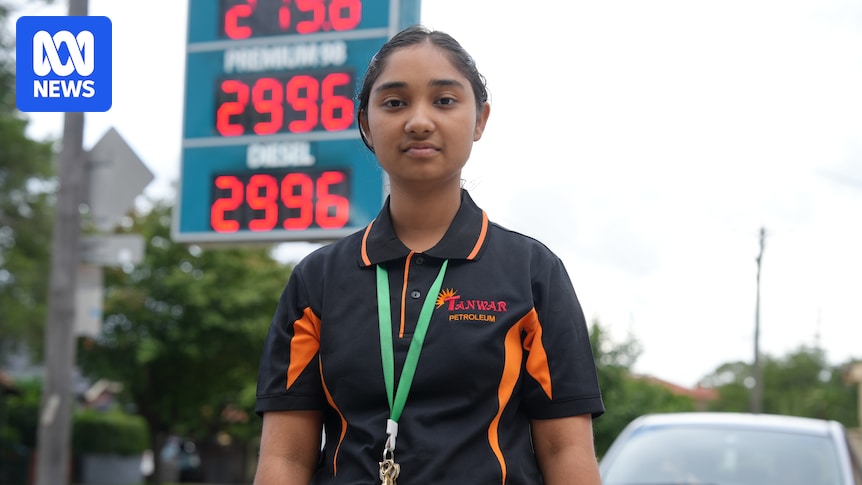
Petrol stations across Australia are selling unleaded fuel at an average price of $2.19 per litre, marking a 20% increase since the conflict began.
Political and Economic Ramifications
The Trump administration is contemplating the removal of sanctions on Iranian oil to stabilize prices, as stated by US Treasury Secretary Scott Bessent. This potential policy shift highlights the complex interplay between economic imperatives and geopolitical strategy. The administration has also considered deploying troops to secure the Strait of Hormuz, though President Trump has publicly denied any immediate plans for ground operations.
Domestically, the Australian government is extending subsidies for its two remaining oil refineries to ensure continued operation amid the crisis. Energy Minister Chris Bowen emphasized the importance of these facilities in maintaining national fuel security, especially as international supply chains remain under pressure.
Humanitarian Concerns and International Response
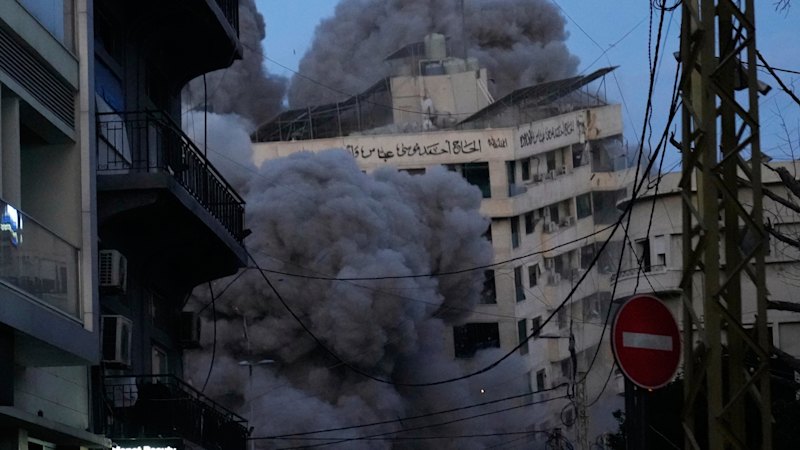
The conflict has resulted in over 1,000 deaths in Lebanon and displaced more than a million people, according to the Health Ministry. The humanitarian toll underscores the urgent need for diplomatic intervention and conflict resolution. Iran’s Foreign Minister Abbas Araghchi has vowed “zero restraint” if further attacks on its infrastructure occur, raising the stakes for all parties involved.
Prime Minister Anthony Albanese has confirmed Australia’s commitment to supporting international efforts to reopen the Strait of Hormuz, despite not signing the joint statement with European allies. Opposition leaders have criticized the government for its perceived inaction, calling for greater transparency and engagement in international efforts.
Some 65% of Americans believe President Trump will order troops into a large-scale ground war in Iran, according to a Reuters/Ipsos poll.
Future Outlook
As the conflict continues to unfold, the global community watches closely, balancing the immediate need for security and stability with long-term geopolitical considerations. The potential for further escalation remains a significant concern, with implications for international trade, energy security, and regional stability.
Moving forward, diplomatic efforts will be crucial in de-escalating tensions and addressing the humanitarian crisis. The international community must navigate these complex challenges with a focus on sustainable solutions that prioritize peace and stability.