
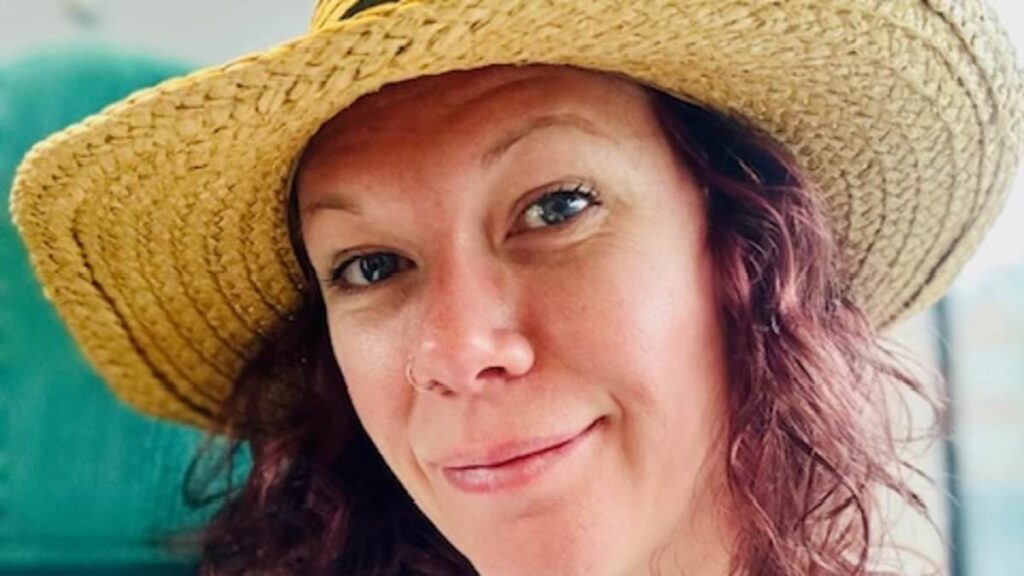
On the outside, Sonia Milne was the life of the party—known for her infectious energy and outgoing nature. However, behind closed doors, Sonia was fighting a battle that spanned three decades: alcohol addiction. Originally from South Africa and now residing in the UK, Sonia’s struggle with alcohol began early and persisted throughout her life.
“Alcohol has been part of my life for as long as I can remember,” Sonia, 43, shared in an interview. “Drinking has been like a family heirloom. It was always there in my upbringing.” Sonia’s first encounter with alcohol was at the tender age of 13, a means of escapism from a hostile environment. Her father’s home bar was always stocked, and she would sneak vodka, replacing it with water to hide her consumption.
Even as a teenager, Sonia’s drinking was less about experimentation and more about coping with childhood trauma, anxiety, and depression. By 16, she was using marijuana socially, and by 18, she had moved on to party drugs like cocaine, MDMA, and ketamine, though alcohol remained her primary vice.
Early Signs and Attempts at Sobriety
Sonia’s alcohol consumption escalated in her early 20s, drinking heavily three to four days a week. The turning point came when she humiliated herself at a friend’s party, delivering an incoherent speech and waking up the next day filled with regret and unexplained bruises. This incident prompted her to attend her first Alcoholics Anonymous (AA) meeting, but she felt out of place among older attendees.
“Most people there were in their 40s, 50s, and 60s, so I felt like I still had years before I needed help,” she recalled. Despite this, her attempts at sobriety were undermined by continued drug use and a social circle that enabled her addiction.
The Vicious Cycle of Addiction
Throughout her 30s and into her 40s, Sonia managed to maintain a job while planning her days around drinking. Her tolerance was high, requiring large quantities of alcohol to feel its effects, and her mental health deteriorated. The pandemic only exacerbated her drinking, as lockdowns intensified her anxiety and depression.
“I was at breaking point; I was sick and tired of being sick and tired,” Sonia admitted. Her life became unmanageable, and in a moment of despair, she attempted to take her own life. “I was disgusted with myself,” she said, describing the cycle of promising sobriety only to relapse.
A New Approach: The Reframe App
One night, while drinking, Sonia discovered Reframe, a neuroscience-based app designed to help people reduce or quit alcohol. The app offers education, daily guidance, habit tracking, community forums, and coaching, providing a modern alternative to traditional AA methods.
Sonia decided to give Reframe a try after a final drinking binge. “I did what any self-respecting alcoholic does, and I promised myself one last blowout,” she said. Emerging from a three-day haze, she vowed, “Never again,” and began using the app.
Since then, Sonia has remained sober for eight months. “It’s saved my life,” she stated, crediting Reframe’s scientific approach and supportive community for her recovery. The app’s annual subscription costs about $100, a small price for the life-changing support it provides.
Recovery and Hope
Today, Sonia has rebuilt her mental health and regained control of her life. “When I stopped drinking, I started living,” she explained. Reframe has equipped her with tools to maintain sobriety, even in social situations where she is questioned about not drinking.
Sonia hopes her story inspires others struggling with addiction. “You don’t have to hit ‘rock bottom’ to change,” she emphasized. “Admitting defeat is actually winning. Acknowledging ‘I have a problem’ is not weakness—it’s the key to recovery.”
Her journey underscores the importance of seeking help and the potential for new approaches to offer hope and healing. “Suffering in silence is far more dangerous than saying, ‘I need help,'” Sonia concluded, offering a beacon of hope to those still in the grips of addiction.