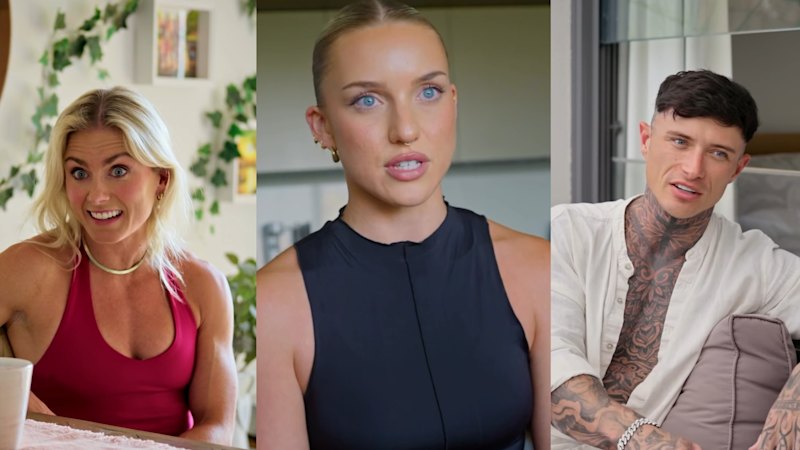
For the past week, Flex: The Series has taken social media by storm, appearing in sponsored content across platforms like TikTok and Instagram, and even during commercial breaks on popular shows such as Married at First Sight. This new micro-reality TV series, featuring characters like Marcus, Sydney’s priciest male escort, and Sarah, a former child gymnast, is set in Sydney’s eastern suburbs. The show presents a curious mix of personalities who seem to spend much of their time exercising, offering a glimpse into a lifestyle that might make even Married at First Sight look like a culinary masterpiece.
The series, produced by Ronde Media, is more than just a social media experiment. Despite its grassroots appearance, it’s backed by substantial TV dollars. Ronde Media, known for productions like Bondi Rescue and Here Come The Habibs, is venturing into the micro-reality genre with this series, which consists of two-minute episodes released daily on social media. The series aims to capture viewers on their phones, in between other viral content.
The Rise of Micro-Reality TV
Micro-reality TV is an emerging genre, akin to its relative, micro-drama, which has gained popularity with its short, addictive soap operas. These dramas, often featuring tales of secret billionaires and complex relationships, have captivated audiences globally. Titles like The Double Life of My Billionaire Husband and The Maid’s Revenge have set the stage for this new form of entertainment.
In comparison, Flex: The Series seeks to carve out its niche within this burgeoning market. Described by Nine.com.au as a “first-of-its-kind reality series,” it offers a microscopic view of one of Sydney’s wealthiest suburbs. The show has already stirred controversy with its filming notices at Bondi Beach, inviting only the “fit and attractive” to be part of the background.
Production and Market Dynamics
Produced by Ronde Media, Flex: The Series is part of a broader trend where micro-series are gaining traction. Unlike traditional TV series, these micro-productions are created with budgets under $500,000, making them a cost-effective alternative. The global market for micro-dramas is already worth $12.2 billion and is expected to grow exponentially, suggesting a promising future for micro-reality TV as well.
Globally, the micro-series market is dominated by independent producers from countries like Ukraine, Poland, Singapore, and China, while Hollywood is beginning to catch up. Last year, Fox Entertainment signed a deal with Holywater to produce over 200 English-language vertical titles, focusing more on reality content.
The Future of Flex: The Series
As Flex: The Series continues to unfold, the question remains whether its stars, like Marcus and Sarah, will achieve fame akin to Married at First Sight alumni Jules Robinson and Martha Kalifatidis, or fade into obscurity like the cast of The Shire. The success of the series hinges on its ability to resonate with the social media audience and capture the ever-changing zeitgeist.
While the series has yet to find a free-to-air broadcaster, its presence on social media and the buzz it generates could make it a trailblazer in the micro-reality TV domain. As the industry evolves, Flex: The Series might just be the precursor to a new era of entertainment, where short-form content reigns supreme.
All eyes will be on the series as it continues to flex its social media muscles, potentially setting the stage for future productions in this innovative format.