


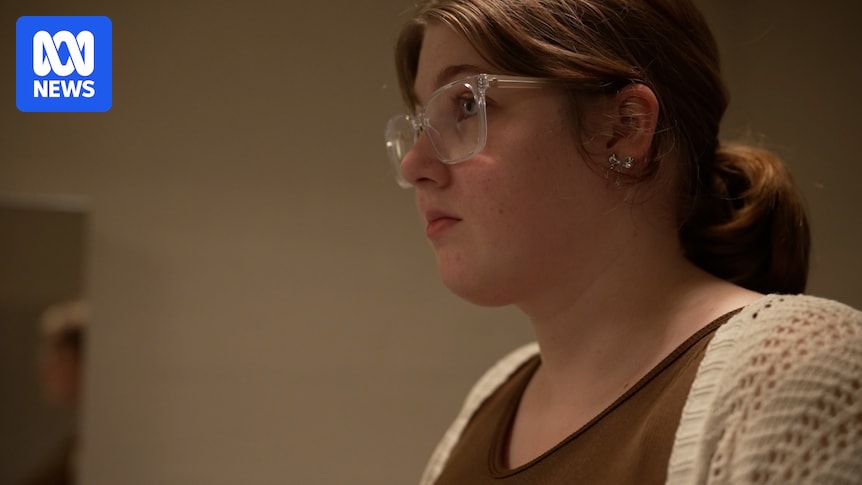
At just 11 years old, Emily W began experiencing severe pain in her lower stomach and back, long before she had her first period. Initially dismissed by her family as growing pains and misdiagnosed by doctors as irritable bowel syndrome, Emily’s condition was misunderstood for years. A few years later, she was prescribed the contraceptive pill, which she describes as a “shut-up remedy,” as the pain persisted, affecting her daily life.
“I struggled to walk. I struggled to laugh,” Emily recalls. “The condition itself causes fatigue, but then walking around, it’s like you’re walking with a 20-kilogram backpack. Every step takes five times the effort.” Despite her suffering, Emily was often labeled as “anxious” by healthcare professionals, a diagnosis that overshadowed her real medical issues.
Healthcare Bias and Misdiagnosis
Emily’s story is not unique. Many young women face similar challenges in the healthcare system, where their symptoms are frequently dismissed or misdiagnosed. Emily M, another young woman, shares her struggle with a POTS (Postural Orthostatic Tachycardia Syndrome) diagnosis. “Remember how women used to be accused of hysteria?” she asks. “I think the new hysteria is anxiety because every single time I went to the doctors, they had me take the [mental health self-assessment] test.”
Lucy Savage, who began experiencing endometriosis symptoms at nine, has also faced dismissals. At 15, she was unable to stand due to pain, only to be told by her doctor that she was experiencing normal teen angst. These stories are part of a broader narrative of healthcare-related gender bias, as highlighted by a recent investigation into a Melbourne gynecologist.
“More than two-thirds of Australian women report being routinely dismissed by healthcare professionals.”
The Catch-22 of Women’s Pain
According to Dr. Sarah White, CEO of Jean Hailes for Women’s Health, “Historically, women’s pain has been ignored.” She notes that it is common for women with pain conditions to be prescribed antidepressants instead of appropriate pain management. Emily W describes this situation as a “catch-22,” where anxiety is a natural response to chronic pain, yet it becomes the focus of their medical care.
Emily W’s journey to get an obstetrician-gynecologist referral was fraught with challenges. When she finally saw a specialist, surgery was recommended within minutes, a stark contrast to previous advice that she was too young for such procedures. Her experience is echoed by many women in Australia, where a 2025 Victorian inquiry found that 71% of respondents felt dismissed by medical professionals.
“Global studies show women face longer waits to be diagnosed with cancer and heart disease, and are less likely to be offered pain medication.”
Research and Understanding Lag Behind
Research into the specific challenges faced by young women is limited, but Dr. White suggests that younger women might encounter a “slightly patronizing” attitude. Despite women constituting up to 70% of chronic pain cases, about 80% of pain studies are conducted on male subjects. This discrepancy highlights a significant gap in understanding and addressing women’s health issues.
Emily M’s experience with POTS further illustrates this gap. Despite being told repeatedly that her symptoms were due to low iron, her persistent light-headedness and rapid heartbeat during simple activities suggested otherwise. Her struggle to have her heart rate properly measured underscores the broader issue of medical professionals focusing on anxiety rather than genuine health concerns.
“Women are about five times more likely than men to be diagnosed with POTS, yet research into the condition remains sparse.”
Progress and Advocacy
Despite these challenges, there are signs of progress. Dr. Magdalena Simonis, a women’s health expert, notes that the sector is slowly changing, with a greater emphasis on holistic approaches to chronic pain. The 2018 National Action Plan for Endometriosis has been pivotal in raising awareness and reducing diagnosis delays.
Dr. White stresses the importance of self-advocacy: “It’s about giving women the knowledge, the skills, and most importantly, the confidence.” She advises patients to provide concrete examples of how pain affects their lives and to maintain a pain diary.
Emily W has found empowerment through her public journey, encouraging others to question their healthcare options. Lucy Savage has taken her advocacy further by creating XOXO, Endo, a platform focused on regional endometriosis education and awareness. Her efforts aim to empower others to recognize and address their symptoms.
The stories of Emily, Emily M, and Lucy highlight the critical need for change in how women’s health is approached. As awareness grows and advocacy strengthens, there is hope for a future where young women receive the medical attention and respect they deserve.