


Gundagai Lamb is set to unveil a groundbreaking solution to one of the sheep industry’s most persistent challenges—accurate hook tracking of lambs. This innovative approach promises to provide detailed feedback on individual carcass weight, eating quality, and health, directly to producers. The announcement will be made during a hands-on workshop at Coolac Hall on March 24, from 8:30 am to 1 pm, in collaboration with the New South Wales Department of Primary Industries and Regional Development.
The workshop aims to educate producers on transforming carcass feedback into actionable, profit-driving decisions on the farm. By integrating processor data with on-paddock activities, producers can utilize electronic ear tags (EIDs) more effectively. Gundagai Meat Processors (GMP) will become the first Australian processor to successfully link individual lamb EIDs to carcasses at chain speed, offering comprehensive feedback on eating quality and health conditions.
Revolutionizing Carcass Feedback for Producers
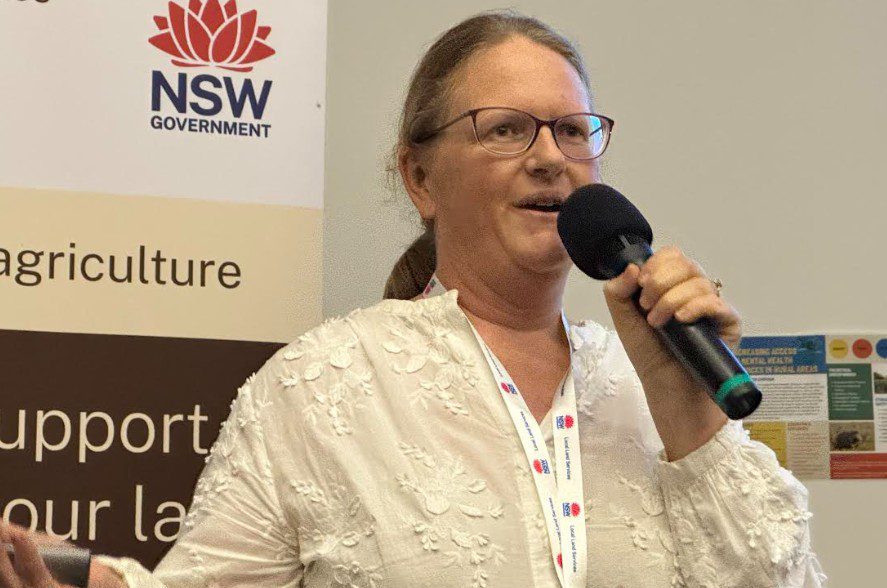
Michelle Henry, supply chain manager at Gundagai Meat Processors, announced that starting March 24, Gundagai Lamb would release a full suite of carcass feedback to producers. This includes current objective carcass measurement feedback and new data linked to each carcass via EID tags.
“We have been working on this project for some time and are very excited to finally release the next level of feedback,” Henry stated. The initiative will allow producers to compare feedback across different lots and gain insights into the costs associated with animal diseases, health issues, and carcass defects.
Addressing the Industry’s Achilles’ Heel
The concept of hook tracking has long been considered the “Achilles’ heel” of the sheep industry. At the inaugural Southern Beef and Lamb School, Professor Peter McGilchrist, a meat scientist from the University of New England, emphasized the importance of differentiating lamb carcasses based on eating quality. He noted that Gundagai Meat Processors is currently the only facility capable of providing complete carcass feedback to producers.
“Hopefully that is successful and they will share that with everyone when they get it sorted, but at this point in time it’s just not happening,” said Prof. McGilchrist.
He highlighted that most producers currently receive limited feedback, primarily weight and tissue depth measurements. However, full eating quality trait feedback could drive producers to enhance their sheep through selective breeding.
Implications for the Sheep Industry
The potential impact of comprehensive carcass feedback extends beyond immediate producer benefits. Prof. McGilchrist suggested that this could attract younger individuals to the industry, offering them tangible metrics to improve upon. He drew parallels to the beef industry, where Meat Standards Australia (MSA) feedback has incrementally shifted quality standards.
“If we get information, we can increase selection pressure on our ewe or ram flock then we’re aiming for better lambs next year,” Prof. McGilchrist explained.
Despite the benefits, not all lamb processors have invested in hook tracking technology. Some are exploring alternatives such as QR codes or visual systems to avoid radio signal interference issues associated with EIDs and RFID tags.
Looking Forward
The development of hook tracking technology is crucial for brand development among processors. As Prof. McGilchrist noted, understanding volume across seasons and years is vital for processors to align their brand strategies with market demands.
“What you don’t want to be is stuck with higher quality meat and sell it at a lower price,” he warned.
The workshop at Coolac Hall represents a significant step forward in addressing these challenges. With registration closing today, the event promises to be a pivotal moment for the industry, potentially setting new standards for quality and feedback in lamb production.