


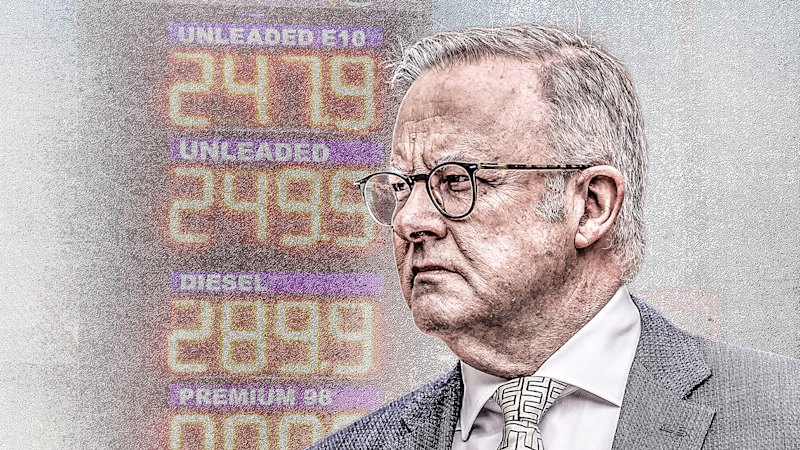
The Australian energy crisis has reached a critical juncture, with Prime Minister Anthony Albanese facing mounting pressure to address the escalating costs and supply challenges. As energy prices soar, citizens and experts alike are calling for decisive action to safeguard the nation’s economic stability and environmental future.
Recent warnings from Energy Minister Chris Bowen have highlighted the severity of the situation, urging Australians to brace for potential fuel shortages and price hikes. The crisis is exacerbated by the ongoing export of natural gas, which critics argue is undermining domestic productivity and inflating living costs.
Domestic Energy Challenges
The energy crisis is not solely a result of international market fluctuations. Locally, the unchecked export of natural gas has sparked debate about the need for regulatory measures to prioritize domestic supply. Critics contend that without intervention, Australians will continue to face “un-Australian” living costs, as described by concerned citizen Peter Willis from Orange.
Mukul Desai from Hunters Hill emphasizes the role of renewable energy in mitigating the crisis. With solar panels and a hybrid vehicle, Desai advocates for increased remote work to reduce dependency on petrol and alleviate traffic congestion. He suggests government mandates for businesses to allow work-from-home arrangements where feasible, a lesson learned during the COVID-19 pandemic.
Alternative Solutions and Innovations
Amid the crisis, innovative solutions such as green hydrogen are being revisited. John Croker from Woonona calls for renewed focus on this non-polluting energy source, which could reduce reliance on traditional fossil fuels and eliminate the delays associated with electric vehicle charging.
Meanwhile, Brenda Kilgore from Red Hill criticizes the reliance on fossil fuels, advocating for self-reliance through renewable energy. She argues that the cheapest and most abundant energy source—solar power—remains underutilized in Australia.
International Comparisons and Historical Context
The energy crisis in Australia mirrors global challenges, where geopolitical tensions and environmental concerns intersect. Historical parallels can be drawn with past energy crises, where reliance on foreign oil led to economic vulnerabilities. The current situation underscores the need for strategic planning and investment in sustainable energy infrastructure.
Tim Schroder from Gordon points to the benefits of renewables, noting that his electric vehicle, powered by solar energy, allows him to avoid petrol queues, a stark contrast to the looming petrol shortages.
Implications and Future Directions
As the Albanese government navigates this complex landscape, the implications of inaction are significant. The energy crisis not only threatens economic stability but also poses environmental and social challenges. Addressing these issues requires a multifaceted approach, balancing immediate relief with long-term sustainability.
Experts suggest that government intervention, such as subsidies for renewable energy adoption and stricter regulations on natural gas exports, could alleviate some of the pressure on domestic energy markets. Additionally, fostering innovation in alternative energy sources like green hydrogen could position Australia as a leader in the global energy transition.
In conclusion, the energy crisis presents both a challenge and an opportunity for Australia. By embracing sustainable practices and investing in renewable technologies, the nation can secure its energy future while contributing to global environmental efforts. The path forward requires bold leadership and a commitment to innovation, ensuring that Australians are protected from the volatility of international energy markets.