

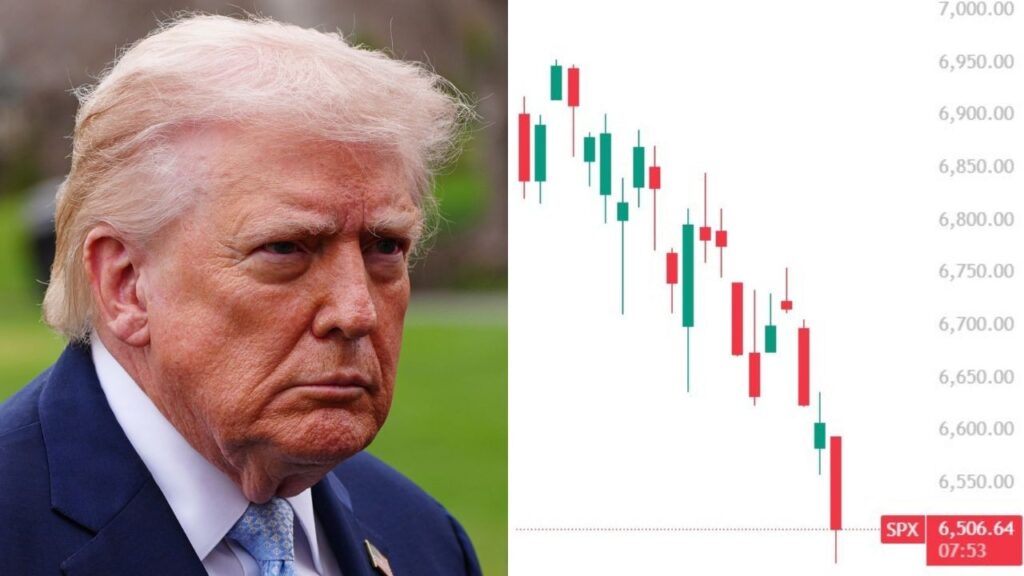
The S&P 500 experienced a sharp decline of 1.51% on Friday, resulting in a loss of approximately $923 billion in market capitalization and marking its lowest close of the year at 2026. Simultaneously, the tech-heavy Nasdaq 100 fell by 1.88%. This market downturn follows the outbreak of conflict between US-Israeli forces and Iran on February 28, which has led to a 5.4% drop in the S&P 500, erasing over $3 trillion in value.
Amidst the turmoil, gold, traditionally considered a safe-haven asset during conflicts, also saw a significant sell-off. The price of gold dropped sharply to USD $4,500 per troy ounce, reflecting a 15% decline since the onset of the war. Meanwhile, oil prices have remained elevated due to Iran’s effective closure of the Strait of Hormuz, a vital passageway for one-fifth of the world’s oil supply.
Impact of Kharg Island Occupation Considerations
The market’s volatility was further exacerbated by a report from Axios suggesting that the Trump administration is contemplating plans to occupy or blockade Kharg Island. This island is crucial as it handles about 90% of Iran’s oil exports through its deep-water ports located approximately 25 kilometers off the Persian Gulf coast.
The report indicates that the White House views the potential occupation of Kharg Island, possibly involving ground troops, as a strategic move to disrupt Iran’s control over the Strait of Hormuz. A source quoted in the report stated, “We need about a month to weaken the Iranians more with strikes, take the island and then get them by the balls and use it for negotiations.” Another source added, “He (Trump) wants Hormuz open. If he has to take Kharg Island to make it happen, that’s going to happen.”
Energy Supply Concerns and Market Reactions
Market anxieties over the global energy supply were already heightened earlier in the week following Israel’s targeting of Iran’s South Pars gas facility, which prompted retaliatory strikes by Iran on Ras Laffan, a major LNG export facility in Qatar. This escalation has raised fears of a prolonged conflict characterized by tit-for-tat strikes on energy infrastructure, which could take years and billions of dollars to rebuild.
The prospect of a “boots on the ground” scenario in Iran has done little to reassure investors, who are concerned that a prolonged conflict will sustain high oil prices, thereby increasing the cost of living and inflationary pressures worldwide. The potential for sustained energy shortages looms large, even if the Strait of Hormuz is eventually reopened.
Historical Context and Expert Opinions
The current situation echoes past geopolitical tensions in the region, notably the Iran-Iraq War in the 1980s, which also saw significant disruptions to global oil supplies. Experts warn that the economic repercussions of the current conflict could be even more severe, given the interconnected nature of today’s global markets.
Energy analyst Dr. Sarah Thompson commented, “The potential occupation of Kharg Island is a high-stakes gamble that could either stabilize or further destabilize the region. The economic implications are profound, as any prolonged disruption in oil supply could trigger a global economic slowdown.”
Dr. Sarah Thompson: “The potential occupation of Kharg Island is a high-stakes gamble that could either stabilize or further destabilize the region.”
Looking Ahead: Implications and Next Steps
As the situation unfolds, the international community is closely monitoring developments. The possibility of further military escalation remains a significant concern, with diplomatic efforts potentially playing a crucial role in de-escalating tensions. The global economy, already grappling with inflationary pressures, faces the risk of further instability should the conflict continue unabated.
Investors and policymakers alike will need to navigate this uncertain landscape, balancing immediate economic impacts with long-term strategic considerations. The coming weeks will be critical in determining whether diplomatic solutions can be found to avert a deeper crisis.