



With the Iran conflict escalating, travel disruptions are expected to persist for weeks even after the hostilities cease, according to Airport Coordination Limited (ACL), the company responsible for managing take-off and landing slots at Sydney Airport. The ongoing conflict has led to significant airspace closures, affecting global travel routes.
ACL announced that airlines impacted by these closures will not face penalties for canceling services directly resulting from the conflict. The company has issued new guidance indicating that “where exceptional circumstances exist because of the situation, ACL will grant alleviation for the period of the disturbance plus six weeks.” This means that even if the conflict were to end immediately, flight disruptions could continue for up to six weeks as airlines work to adjust their operations and redeploy resources.
Impact on the Aviation Industry
The prolonged timeframe for a return to normalcy in air travel suggests that relief remains distant for both the aviation industry and travelers. The conflict has already resulted in significant loss of life, increased fuel prices, and the cancellation of thousands of flights. Airport slots, which are crucial for airlines to maintain access to major hubs, are typically governed by a “use-it-or-lose-it” policy, requiring airlines to utilize at least 80% of their allocated slots during a season to retain them for the following year.
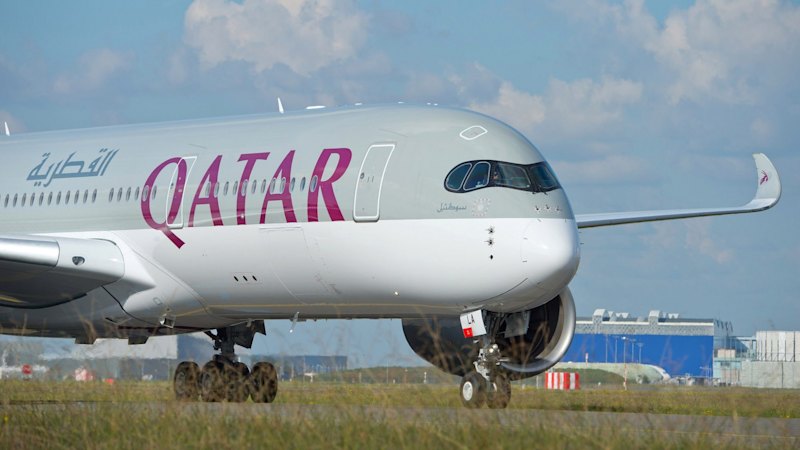
The war, which began on February 28, has led Persian Gulf countries like the United Arab Emirates and Qatar to halt civilian air operations due to drone attacks from Iran, which is under bombardment by the US and Israel. This disruption has paralyzed a region that serves as a critical transit point for more than 60% of Australians traveling to and from Europe, according to data from Qatar Airways submitted to the Australian Competition and Consumer Commission (ACCC).
Widespread Flight Cancellations
From the onset of the conflict to March 11, over 46,000 flights traversing the Middle East have been canceled, as reported by aviation analytics firm Cirium. ACL, appointed by the Albanese government to manage Sydney’s slots amid concerns of slot hoarding by Qantas, also coordinates slots for airports in Dubai, Abu Dhabi, and Riyadh.
Neil Garwood, CEO of ACL, highlighted the challenges faced by Middle Eastern carriers, stating, “either the main airport is a target and it closes, or the airspace is closed to civilian traffic, or both.” He emphasized that “the slot rules are designed to alleviate in severe circumstances, so airlines don’t lose slots when they can’t fly for reasons outside their control.”
Adaptation and Resilience
Despite the challenges, some Gulf carriers like Emirates, Etihad, and Qatar Airways have resumed operations, albeit with significantly reduced schedules. Meanwhile, European carriers such as KLM have suspended flights to Tel Aviv for the remainder of the winter season and canceled all flights to Dubai until March 28. British Airways has also canceled all flights to Abu Dhabi until later this year.
Oleksandra Molloy, a lecturer in aviation at the University of New South Wales in Canberra, commented on the situation, stating that it “highlights the need for the industry to be adaptable, fast and agile, and to work around the key concept of safety and security.”
Looking Ahead
The ongoing disruptions underscore the vulnerability of global air travel to geopolitical conflicts. As airlines and airports navigate these challenges, the industry must prioritize safety and adapt to rapidly changing circumstances. The resolution of the Iran conflict will be critical in determining the timeline for a full recovery in international travel.
As the situation develops, travelers and industry stakeholders alike will be closely monitoring the impact on global aviation networks and the broader implications for international relations.