
In a dramatic escalation of the ongoing conflict in the Middle East, Iran and Israel have shifted their focus to targeting critical energy infrastructure. This marks the third week of heightened tensions, with both nations striking key energy reserves, leaving the world on edge.
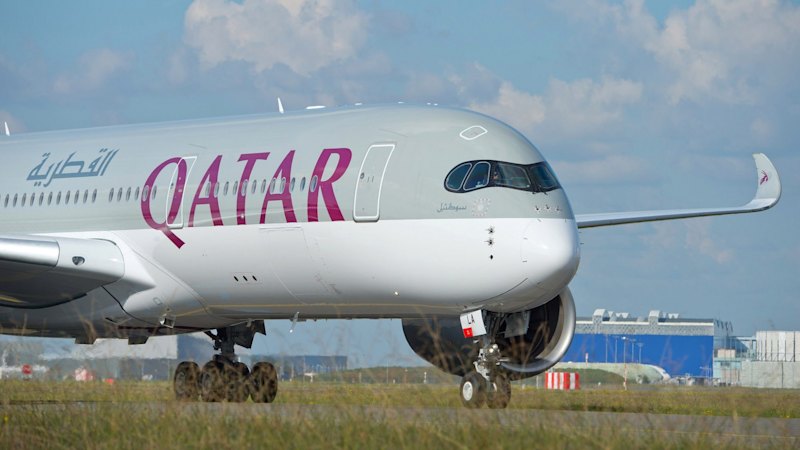
Iran launched missile attacks on liquified natural gas sites in Qatar, retaliating against Israel’s earlier strike on its South Pars gas field. The Ras Laffan site, a major global gas supplier, was hit multiple times, raising concerns about a potential prolonged global gas shortage. Energy analysts warn that successful attacks on Ras Laffan could disrupt the global gas supply chain for an extended period.
Meanwhile, oil prices surged by 5.1%, reaching nearly $AU160 per barrel, as the Australian sharemarket suffered a loss exceeding $50 billion on Thursday. The geopolitical turmoil and rising energy costs have sent shockwaves through financial markets worldwide.
US Response and Global Reactions
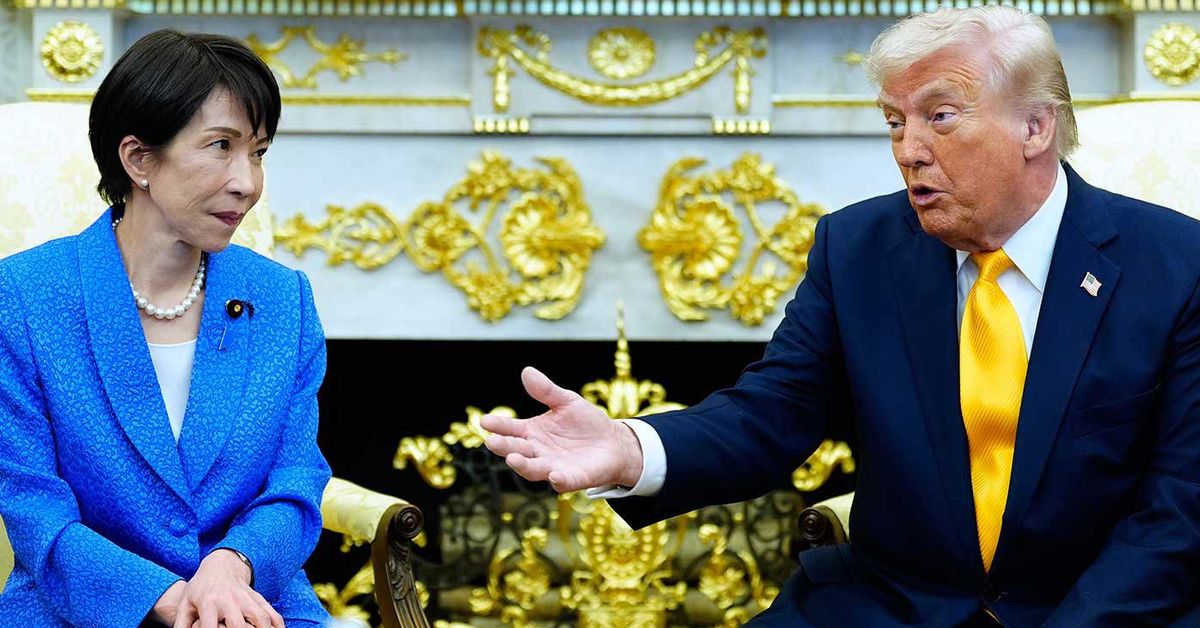
Former US President Donald Trump distanced the United States and Qatar from Israel’s actions, although an anonymous source revealed that the US had prior knowledge of Israel’s plans. Qatar condemned Israel’s attack as “a dangerous and irresponsible step amid the current military escalation in the region.”
In Washington D.C., US officials detected unidentified drones above an army base, home to Secretary of State Marco Rubio and Secretary of Defence Pete Hegseth. The incident remains under investigation, with no updates since it was first reported.
Iran’s Domestic and International Maneuvers
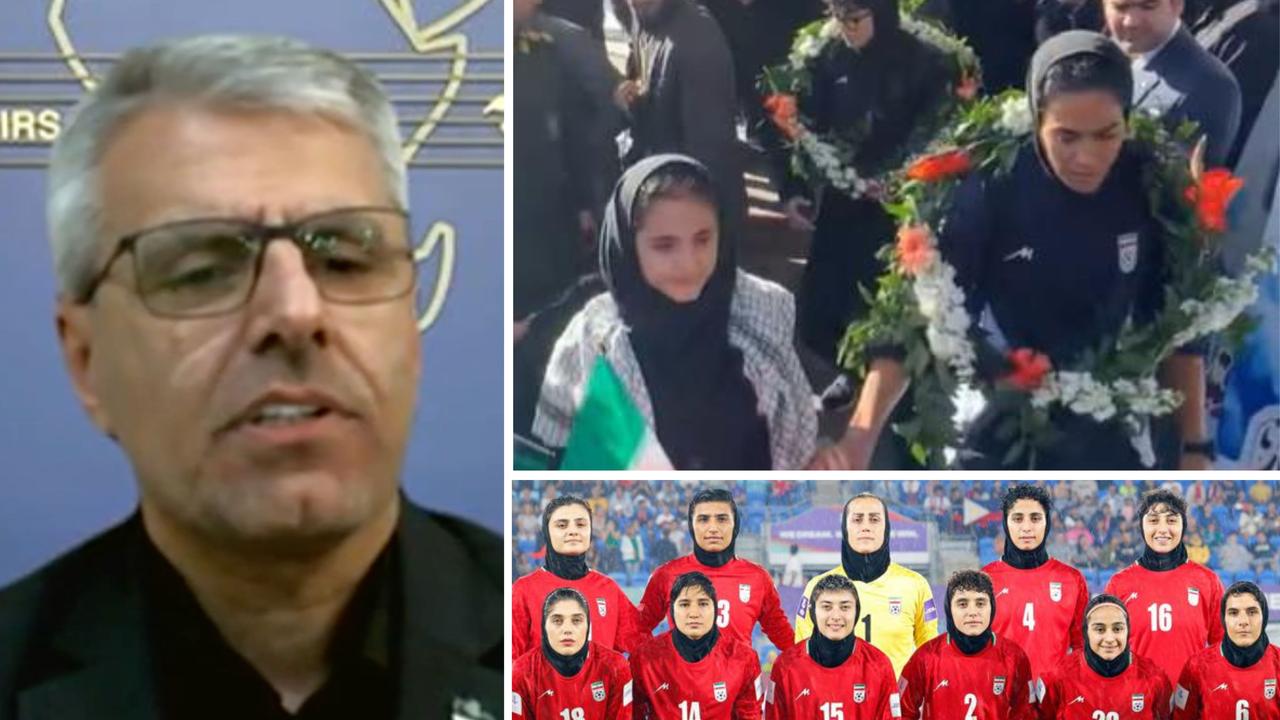
Iranian media reported the return of the national women’s soccer team to the Islamic Republic after some players sought asylum in Australia. The team had been participating in the Women’s Asian Cup, and while seven players were offered asylum, only two chose to stay in Australia.
Iran’s foreign minister criticized French President Emmanuel Macron for his comments regarding Iran’s attack on Qatar. Macron’s call for a moratorium on strikes targeting civilian infrastructure was met with disdain by Iranian officials, who accused him of ignoring Israel’s actions.
Australia’s Fuel Crisis and Government Response
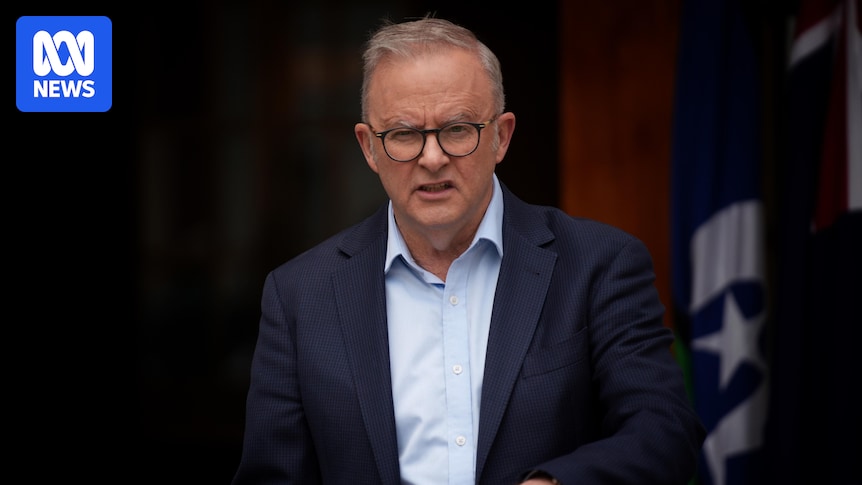
The average petrol price in Australia has reached record highs, surpassing 233¢ per litre in major cities. Prime Minister Anthony Albanese announced a new fuel supply taskforce to enhance “fuel security and supply chain resilience.” Energy Minister Chris Bowen confirmed the release of half a billion litres of fuel to regional Australia, following an agreement with fuel companies.
The Australian Competition and Consumer Commission (ACCC) is investigating allegations of anti-competitive conduct by major fuel suppliers in regional areas. Meanwhile, Australia’s energy regulator proposed significant reductions in electricity prices, though the outlook remains uncertain due to the conflict in Iran.
Economic Impact and Market Reactions
The Australian sharemarket experienced a significant downturn, with the S&P/ASX 200 index dropping 1.7% to its lowest level since November. The unemployment rate unexpectedly rose to 4.3%, further unsettling investors already concerned about geopolitical instability and rising energy costs.
“Successful attacks on Ras Laffan could cause a lasting global gas shortage,” said Saul Kavonic, an energy analyst at MST Marquee.
Natural gas traders are bracing for market turbulence after Qatar reported extensive damage to its liquefied natural gas facilities. The Ras Laffan site, responsible for a fifth of global supply, suffered severe damage, threatening prolonged high gas prices in Europe and Asia.
International and Domestic Political Ramifications
Iran is seeking compensation from the United Arab Emirates, accusing it of facilitating US strikes on Iranian territory. Tehran’s UN Ambassador described the UAE’s actions as “an internationally wrongful act” and demanded reparations for the damages incurred.
Domestically, Iran executed three men convicted of killing police officers during protests earlier this year. The judiciary accused the men of “Moharebeh” (waging war against God) and alleged foreign involvement in the unrest.
In the US, the FBI has opened an investigation into Joe Kent, former counterterrorism director, who resigned over concerns about the Iran conflict. Kent’s public criticism of the decision-making process behind the US strikes on Iran highlights internal divisions and potential political fallout for Trump’s administration.
As tensions continue to rise, the international community remains vigilant, with the potential for further escalation posing risks to global energy supplies and geopolitical stability. The situation underscores the need for diplomatic efforts to de-escalate the conflict and mitigate its widespread impacts.