

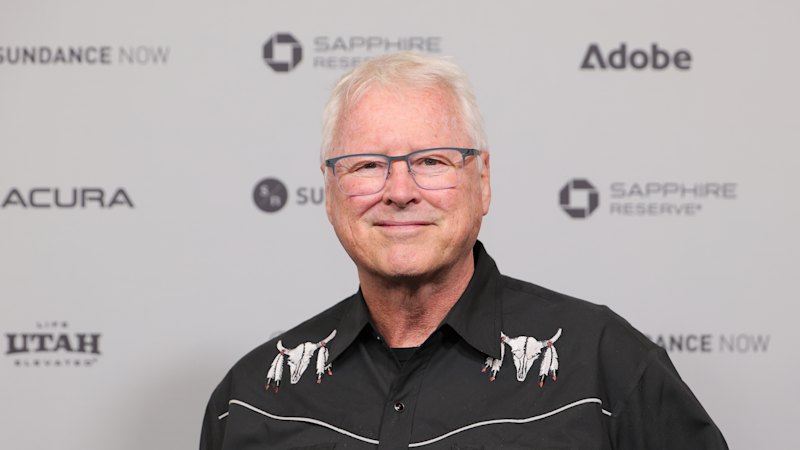
Veteran ABC journalist Tony Jones has recently returned from the prestigious Sundance Film Festival, where his documentary Sentient premiered to critical acclaim. The film, which explores the grim realities of animal testing in laboratories, has sparked significant discussion, both for its content and its creators. Jones, known for his role as the former host of the influential Australian television program Q+A, shared insights into both his documentary and the demise of the show in a candid interview.
Jones expressed a sense of loss regarding Q+A, stating, “I think the country misses it, not just me. It was such a unique program on Australian television, a chance for ordinary folk to come and sit in an audience and ask really serious questions to a great range of people, including the highest-level politicians.” The program, known for its agenda-setting discussions, ended after Jones’s departure, leaving a void in the Australian media landscape.
The Journey to Sundance
Jones’s transition from television to filmmaking was significantly influenced by his wife, Sarah Ferguson, the executive producer of Sentient and host of ABC’s 7.30. “Working with her has been one of the great pleasures of my career,” Jones remarked. The couple’s collaboration culminated in their film being selected for the World Cinema Documentary Competition at Sundance, a notable achievement given the festival’s competitive nature.
The documentary delves into the ethical and emotional complexities of animal testing, a subject Jones became passionate about after a conversation with philosopher Peter Singer on Q+A. Singer’s comparison of animal treatment to historical slavery prompted Jones to explore the sentience of animals and the moral implications of their use in scientific research.
Exposing the Hidden Industry
Sentient presents a stark look at the conditions faced by animals, particularly macaque monkeys, in laboratories worldwide. Jones described the scale of the industry as “a hidden industry, a massive one, involving billions of dollars.” The film highlights the journey of these animals from capture to experimentation, often ending in their death for scientific purposes.
Dr. Lisa Jones-Engel, a central figure in the documentary, is likened to Jane Goodall for her efforts to advocate for the rights of macaque monkeys. Her insights reveal the emotional and psychological toll on these animals, which are often subjected to prolonged suffering in laboratory settings.
Balancing the Debate
Despite the harrowing footage, Jones ensures that Sentient presents a balanced view of the debate surrounding animal testing. The film features perspectives from industry leaders like Dr. Cindy Buckmaster, who argues that animal testing is essential for medical advancements. “You are heroes,” she tells industry workers, emphasizing the life-saving potential of their work.
However, the documentary also includes voices of regret from pioneers like Professor Jim Mahoney, who later in life questioned the ethics of animal testing. This duality reflects Jones’s commitment to presenting a comprehensive view of the issue, allowing audiences to form their own opinions.
Looking Forward
Jones’s documentary not only sheds light on the dark realities of animal testing but also calls for a shift towards alternative scientific methods. “For our own good and for the sake of the abused creatures we see in our film, we need to demand that these companies urgently invest in the new science that will inevitably replace the use of animals,” Jones asserts.
Sentient will continue to reach audiences at the Antenna Documentary Film Festival and through streaming on DocPlay later this year. As Jones and Ferguson reflect on their Sundance experience, they remain hopeful that their work will inspire change in both public perception and industry practices.