

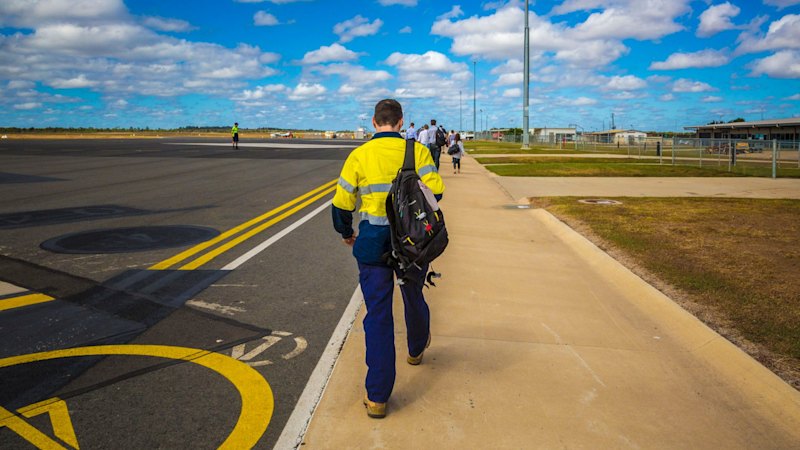
Energy Minister Amber-Jade Sanderson has announced potential changes to Western Australia’s fuel market as the state grapples with a significant fuel shortage. This development comes as Blue Cap, a prominent mining contractor in the Goldfields region, has instructed between 100 and 120 fly-in fly-out (FIFO) workers to remain at home due to concerns over diesel availability.
Blue Cap’s operations span across Western Australia, with its largest project located at Matsa Resources’ Lake Carey gold project in Laverton. The announcement of a trading halt by Matsa Resources late Tuesday underscores the severity of the situation.
According to Blue Cap’s managing director, Ashley Fraser, the company consumes approximately 15,000 liters of diesel daily. However, the supply chain is under threat, with independent distributors unable to guarantee deliveries. “My primary concern is increasing our storage capacity on site, because I can’t see it being solved any time soon,” Fraser told ABC Perth.
Fuel Prices Surge Across Western Australia
The fuel crisis is reflected in the soaring prices across the state. The average price of unleaded fuel in Perth has surged to 229 cents per liter, a significant increase from 155.8 cents per liter just a month ago. In Quinns Rocks, a metropolitan station reportedly became the first to run out of fuel on Monday.
On Tuesday, traditionally the cheapest day in Perth’s weekly petrol price cycle, prices varied widely. The highest price was recorded at Shell Gidgegannup at 259.5 cents per liter, while the lowest was at Vibe Nollamara at 199.5 cents per liter. The most expensive fuel in the state was at Ampol Foodary in Broome, reaching 279.9 cents per liter.
The average price of diesel in WA has skyrocketed from 181.9 cents per liter on March 3 to 273.2 cents per liter on Tuesday.
Government Response and Industry Impact
The Cook government faces mounting pressure from agricultural and mining sectors to secure fuel stocks in regional areas, as service stations deplete their diesel reserves. This shortage is particularly critical with the seeding season for crops just weeks away.
Minister Sanderson assured that all contracted fuel shipments are still arriving in WA. However, major fuel suppliers are retaining their contracted supplies to maintain their networks, leaving smaller operators without access to the spot market that previously provided surplus fuel.
“That’s how the independent operators purchase their fuel and sell it to the likes of the smaller resource and exploration companies and the agricultural sector,” Sanderson explained. She indicated that once immediate supply issues are resolved, the government would address the disappearing spot market.
“Our focus is on getting that fuel out there, but we’ll certainly be turning our minds into how we level the playing field, if you like, to ensure that we have adequate supplies for everyone,” Sanderson stated.
Future Measures and Political Reactions
In response to the crisis, the federal government has reduced the minimum stock obligation for national fuel reserves, releasing additional fuel into local markets. This move aims to prioritize smaller operators in WA’s regions.
Sanderson announced that larger road trains would be permitted to deliver fuel to regional areas, and the government is exploring the use of trains for transportation. “The ACCC I understand is finalizing those instructions so that essentially that fuel gets out to [towns like] Leonora, the Goldfields, the Great Southern, and the Wheatbelt as a priority,” she said.
Opposition Leader Basil Zempilas criticized the government’s shift in stance, noting the urgency of addressing supply shortages in regional areas. “It’s incredible how far the government have come in their position on fuel and fuel shortages in the space of a week,” Zempilas remarked. “Making sure that adequate supplies get through to those people has to be the state government’s number one priority.”
The unfolding fuel crisis in Western Australia highlights the vulnerability of regional supply chains and the critical need for strategic reserves and infrastructure improvements. As the state navigates this challenge, the focus remains on ensuring stability and support for affected industries and communities.