


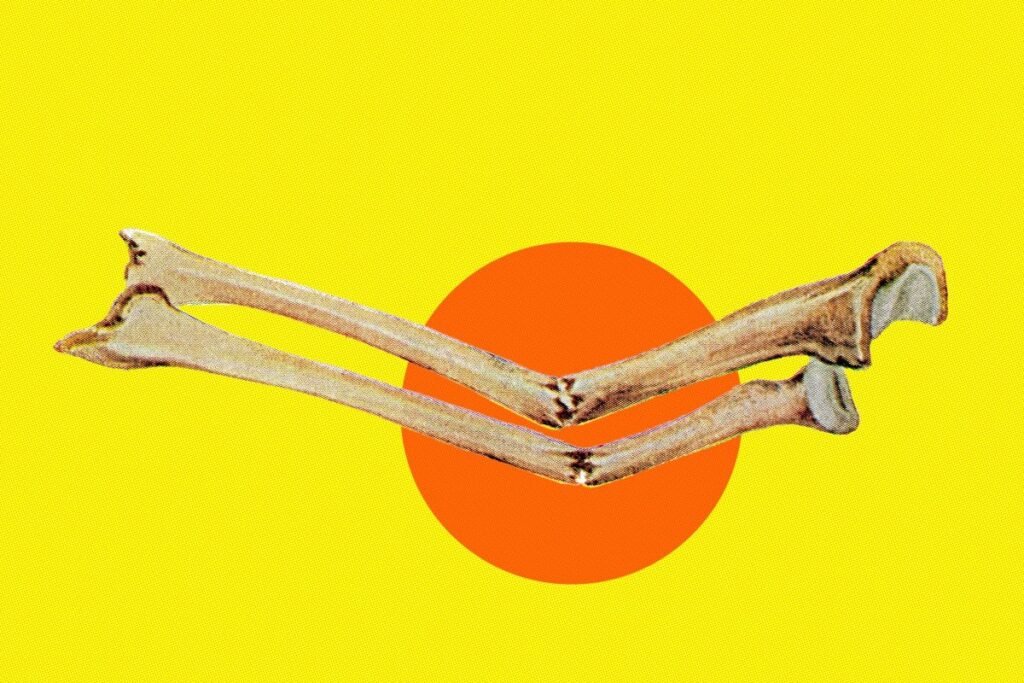
Though climate change is often associated with melting glaciers and rising sea levels, new research suggests that the rapid increase in atmospheric carbon dioxide (CO2) is also having a profound impact on human health. A study published in the journal Air Quality, Atmosphere & Health reveals that the rising concentration of CO2 is weakening human skeletons at an alarming rate.
Australian researchers Alexander Larcombe of The Kids Research Institute Australia and Phil Bierwirth of the Australian National University conducted an extensive analysis of bicarbonate (HCO3) levels in the blood of U.S. adults from 1999 to 2020. They found that the amount of HCO3, a byproduct of CO2, increased by approximately 7 percent, mirroring the rise in atmospheric CO2. Concurrently, calcium and phosphorus levels in these individuals decreased over the same period.
The Science Behind the Findings
The study’s authors warn that this is no coincidence. When blood contains higher levels of carbon than the body is accustomed to, bones release calcium and phosphorus to absorb more CO2. Under normal conditions, bones would reabsorb these nutrients within weeks. However, if elevated blood carbon levels persist, it could lead to a net loss of calcium, weakening bones over time.
“Human physiology has progressively and consistently altered over the last ~25 years,” the researchers noted, highlighting the impact of increased atmospheric CO2.
The researchers estimate that this trend could result in serious health issues within 50 years, as the human body struggles to adapt to these changes. Historically, humans have evolved with stable levels of atmospheric CO2, making the recent surge in carbon pollution a significant challenge for our physiology.
Implications for Public Health
The potential health implications of this research are significant. As bones weaken, individuals may become more susceptible to fractures and other skeletal issues. This could place a substantial burden on healthcare systems worldwide, as populations age and bone-related ailments become more prevalent.
Dr. Emily Thompson, a leading endocrinologist, explains, “The weakening of bones due to environmental factors is a relatively new area of study, but it underscores the interconnectedness of our environment and our health. We must consider the long-term impacts of our actions on future generations.”
Looking Ahead: The Need for Urgent Action
The researchers suggest that if current trends continue, carbon levels could reach the “currently accepted limit of the healthy range within 50 years,” with calcium and phosphorus levels nearing minimum acceptable levels shortly thereafter. This projection highlights the urgent need for action to mitigate CO2 emissions and address climate change.
“What effects this may have on physiology remain to be elucidated, but urgently need to be considered,” the study authors emphasize.
As the world grapples with the multifaceted challenges of climate change, this study serves as a stark reminder of the far-reaching consequences of environmental neglect. It calls for a comprehensive approach to reduce carbon emissions and protect both the planet and human health.
The findings of Larcombe and Bierwirth add to a growing body of evidence that underscores the importance of addressing climate change not only for the environment but also for the well-being of future generations. As policymakers and scientists work together to find solutions, the need for immediate and sustained action has never been clearer.