


March 15, 2026 — 5:00am
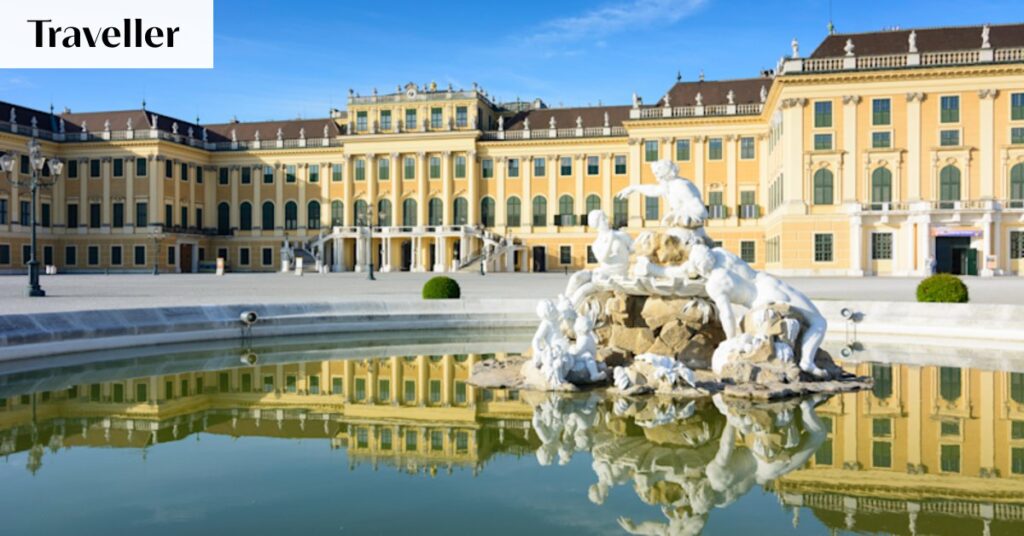
On my second visit to Vienna, I find myself drawn not to the iconic Schönbrunn Palace, St. Stephen’s Cathedral, or even the Belvedere Museum. Instead, my focus is on “The Third Man,” a classic film noir that captures the essence of post-World War II Vienna. This cinematic masterpiece, set amidst the city’s rubble-strewn streets, continues to captivate audiences nearly eight decades after its release.
“The Third Man” is not merely a film; it is an experience that has topped numerous lists of the greatest British movies, including a recent top 50 by the Telegraph. The newspaper describes it as “pure cinema, into which we sink every time like a beloved armchair,” highlighting its enduring intrigue and depth.
The Cinematic Legacy of “The Third Man”
Shot on location in Vienna in the late 1940s, “The Third Man” is based on a screenplay by British novelist Graham Greene. It follows the story of Holly Martins, an American pulp fiction writer, and his complex friendship with black-market trafficker Harry Lime, played by Orson Welles. The film’s plot thickens when Lime mysteriously dies shortly after Martins arrives in Vienna.
Despite its age, the film remains a significant draw for tourists and film enthusiasts alike. The Viennese tourism industry continues to benefit from the movie’s global cult following, with twice-weekly screenings at a central city cinema. These screenings offer viewers a chance to experience the film in the city where it was set, adding a layer of authenticity to the viewing experience.
Exploring Vienna Through Film Locations
One of the most popular guided tours in Vienna is themed around a thrilling chase scene from “The Third Man.” Participants can explore the city’s intricate sewer system, where Harry Lime famously evades capture. The tour runs Thursday to Sunday, every hour from 10am to 8pm, from May to October, and takes visitors seven meters underground via the original spiral staircase used in the film.
Another key location is the Prater Park, home to the vintage Ferris wheel where Martins and Lime share a tense conversation. Although the interior sequence was filmed in a London studio, the park and the Ferris wheel’s exterior appear in the movie, adding to its authenticity. Interestingly, the Hollywood studio behind the film initially wanted it shot in England, but the decision to film in Vienna added an irreplaceable layer of realism.
A Night at the Burg Kino
Although my visit to Vienna is brief, I seize the opportunity to watch “The Third Man” at the Burg Kino cinema, located in the Opernring district. The cinema is a stone’s throw from the Vienna State Opera House and a popular hot dog stand, making it a convenient and atmospheric venue for film enthusiasts.
The film’s memorable performances, striking black-and-white cinematography, and portrayal of postwar Vienna are complemented by Anton Karas’ infectious zither theme music. The €10.50 admission fee is a small price to pay for the chance to experience this cinematic classic in its intended setting.
Cafe Mozart: A Taste of Viennese Tradition
After the film, I indulge in a meal at Cafe Mozart, a classic Viennese coffee house dating back to 1899. Known for “The Legend,” a Viennese schnitzel served with parsley potatoes, leaf salad, cranberry jam, and a lemon wedge, the cafe offers a quintessential Viennese dining experience. Although the film scene supposedly set here was shot elsewhere, Cafe Mozart was a favorite haunt of Orson Welles and director Carol Reed during filming.
Despite sharing a kitchen with an Australian-themed pub, Cafe Mozart retains its grand charm, providing the perfect setting to reflect on the film and its impact. As I savor my meal, I am reminded of the film’s lasting legacy and its ability to transport viewers to a different time and place.
In conclusion, experiencing “The Third Man” in Vienna is more than just watching a movie; it’s an immersive journey through history, culture, and cinema. As I leave the city, I carry with me the memories of a film that continues to resonate with audiences worldwide, proving that all’s Welles that ends well.
Anthony Dennis is the editor of Traveller at The Sydney Morning Herald and The Age.