




A groundbreaking study from the Advanced Telecommunications Research Institute International in Japan has unveiled the intriguing connection between an individual’s gait and their emotional state. Whether it’s a slow swagger or a peppy stride, the way people walk can offer a window into their emotions, even before they speak.
The researchers conducted a series of experiments to explore how different walking styles correlate with specific emotions. Their findings revealed that a fast gait with swinging arms often indicates anger, while a sad walk is characterized by slouched shoulders, minimal arm swing, and a slow pace. A happy individual, on the other hand, can be identified by the noticeable bounce in their step.
Emotional Insights Through Motion
The study suggests that gait can serve as a reliable indicator of someone’s emotional state, providing social cues that influence decisions such as whether to approach or avoid a person. According to the researchers, “An individual’s gait can reveal their emotional state from a distance, enabling social decision-making – such as whether to approach or avoid them – before their facial expressions become visible.”
While facial expressions can be consciously controlled, gait is considered a spontaneous and habitual behavior, offering more authentic insights into one’s emotions. The research team recorded actors walking a set distance while expressing five distinct emotions—angry, happy, fear, neutral, and sad. Using a motion capture system, they created videos illustrating how major body points moved during these walks.
Decoding Emotions Through Gait
Participants were shown these videos and asked to identify the emotions being portrayed. The analysis revealed a high level of accuracy in their assessments, with arm and leg swings and walking speed being key indicators of emotion. The researchers noted, “Angry gait involves exaggerated arm swings, whereas sad and fearful gaits involve reduced arm movement.” They also observed that sad walks exhibited a smaller vertical bounce compared to angry walks.
Interestingly, the easiest emotion to detect from walking style was sadness, while anger proved to be the most challenging. A previous study highlighted that the style of arm swing differs between sadness and fear, with sad walking involving the entire arm, while fearful walking involves mainly the forearms. Moreover, gait speed influences emotion perception, with faster speeds linked to happiness and anger, and slower speeds associated with sadness and fear.
From Film to Real Life
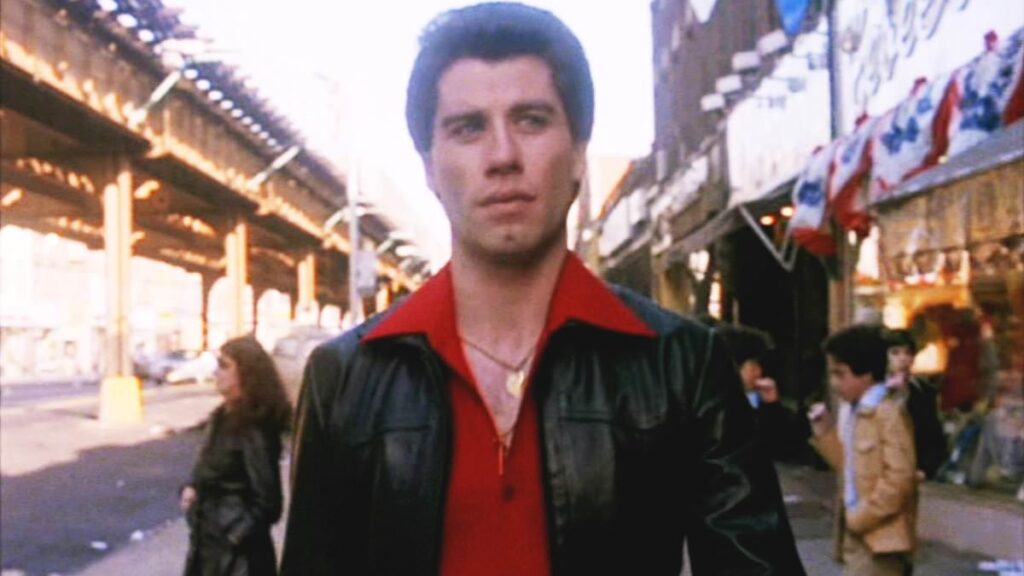
The study’s findings help explain why certain characters in films are portrayed with specific walking styles. For instance, angry characters often have a fast gait and exaggerated arm swings, as seen with the Italian grandmother in Disney’s “Coco.” Meanwhile, George-Michael’s “sad” walk in “Arrested Development” is marked by slouched shoulders and minimal arm swing. Happy characters like Tony in “Saturday Night Fever” exhibit a distinct bounce and swagger.
The researchers concluded, “We observed clear differences in specific movement patterns, especially the arm-leg swing patterns, across perceived emotions, suggesting that these patterns serve as perpetual clues.”
Broader Implications and Future Applications
Beyond emotions, a separate study from the University of Portsmouth found that walking styles can also indicate personality traits such as aggression, agreeableness, and extroversion. Exaggerated movements of both the upper and lower body suggest aggression, while increased pelvis movement, or “hip sway,” is linked to agreeableness and extroversion. Conversely, less overall movement with little swagger or hip sway suggests creativity or conscientiousness.
These insights could have practical applications, particularly in crime prevention. Lead researcher Liam Satchell suggested, “If CCTV observers could be trained to recognise the aggressive walk demonstrated in this research, their ability to recognise impending crimes could be improved further.”
The findings from these studies offer a fascinating glimpse into how our subconscious movements can reveal much about our internal states and intentions, potentially influencing social interactions and even public safety strategies.