



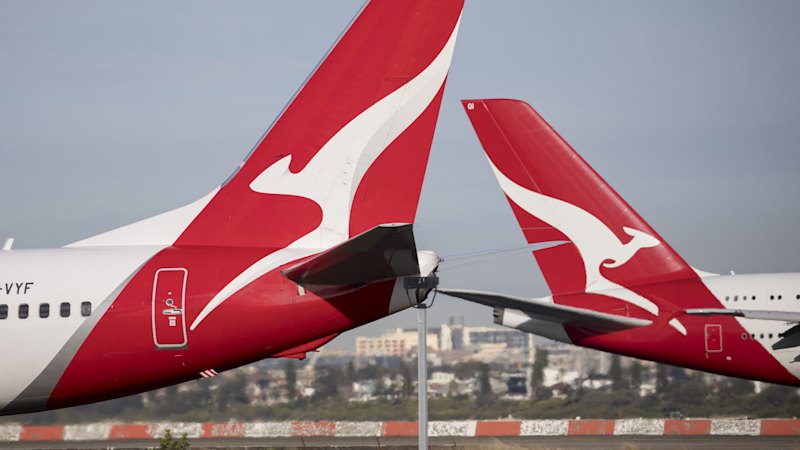
Qantas has announced an increase in fares on its international routes, attributing the hike to a significant rise in jet fuel prices linked to the ongoing conflict in the Middle East. The Australian airline, while clarifying that it does not operate flights to the Middle East, cited the “volatility in jet fuel prices” as the primary reason for the fare adjustments.
The announcement comes as the war in the Middle East has led to disruptions in oil supply, causing jet fuel prices to soar by up to 150% over the past two weeks. A spokesperson for Qantas emphasized the impact of the conflict, stating, “We are continuing to closely monitor the impact the conflict in the Middle East is having on the volatility in jet fuel prices.”
Impact on Airline Operations
Qantas is not alone in facing these challenges. Air New Zealand has also begun increasing ticket prices in response to the rising fuel costs, citing “unprecedented volatility” in the fuel markets. The conflict has resulted in Iran shutting down fuel shipments through the crucial Strait of Hormuz, further exacerbating the situation. Brent crude oil prices, which serve as the international standard, have seen significant fluctuations, reaching as high as $119.50 per barrel before settling below $95.
Jet fuel prices, which require specialized storage and have smaller inventories than regular petrol, have escalated to between $150 and $200 per barrel. The International Air Transport Association reported a 58.4% increase in the global average jet fuel price, highlighting the severe impact on the aviation industry.
Industry Reactions and Strategies
Many airlines, including Qantas and Virgin Australia, have employed fuel-hedging strategies to mitigate the impact of these price shocks. Qantas, for instance, has hedged 81% of its fuel for the second half of the financial year. However, these measures can only offer limited relief in the face of such dramatic price increases.
Air New Zealand, which had based its profit forecasts on an average jet fuel price of $85 per barrel, has warned that the ongoing conflict could significantly affect its earnings. The airline has already implemented initial fare adjustments and may need to consider further increases if the situation persists.
“Due to this unprecedented volatility, the jet fuel price assumption underlying Air New Zealand’s February 26, 2026 guidance is no longer appropriate,” the airline stated.
Broader Implications and Future Outlook
The conflict’s impact extends beyond fuel prices. Airspace closures in the Middle East, along with existing restrictions over Ukraine and Russia, have led to longer flight times and increased operational costs. Subhas Menon, head of the Association of Asia Pacific Airlines, noted that the scarcity of jet fuel, combined with rising crude prices, adds significant costs to airline operations.
Meanwhile, United Airlines has reported an increase in bookings from Australians and New Zealanders traveling through the US to reach Europe. This trend highlights the broader shifts in travel patterns as passengers seek alternative routes amid rising costs and geopolitical tensions.
As airlines navigate these challenging conditions, the industry remains on high alert for further developments in the Middle East. The potential for continued volatility in fuel prices poses a significant risk to profitability, necessitating ongoing adjustments in pricing and operational strategies.
In conclusion, the current situation underscores the interconnectedness of global events and their far-reaching impacts on industries such as aviation. As the conflict in the Middle East continues to unfold, airlines and passengers alike must brace for potential changes in the travel landscape.