




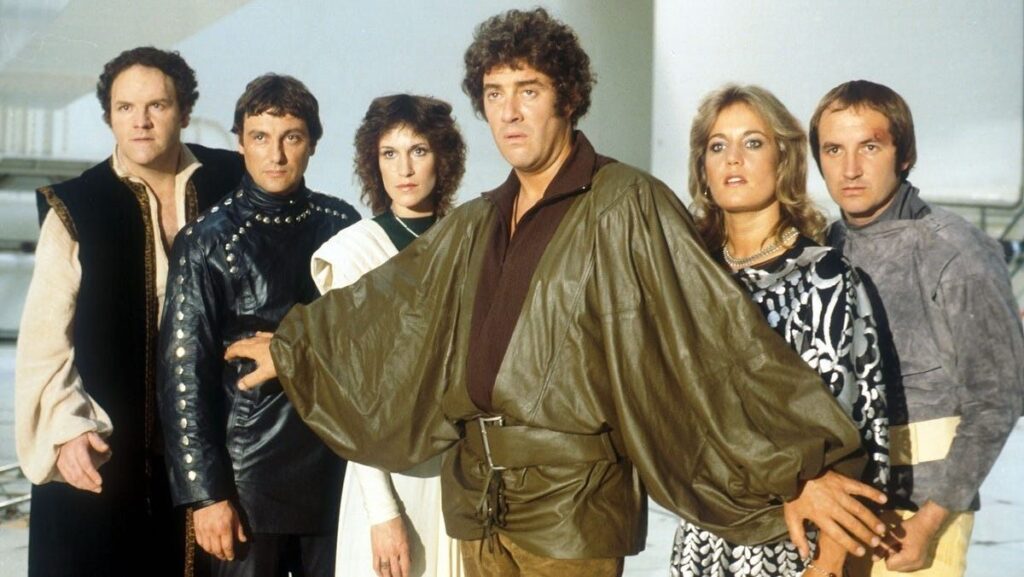
Hollywood trade publication Deadline has reported that Peter Hoar, the Emmy-nominated director known for his work on “The Last of Us,” is spearheading a reboot of the cult British sci-fi series “Blake’s 7.” This ambitious project marks a significant step for Hoar, who has recently launched a production company alongside executive producer Matthew Bouch and West End producer Jason Haigh-Ellery.
The trio has established Multitude Productions, a genre-focused independent studio, and acquired several intellectual properties, including “Blake’s 7,” which last aired on BBC One 45 years ago. According to Deadline, Hoar is set to direct the reboot, which will soon be pitched to potential buyers. Bouch expressed a strong interest in collaborating with the BBC and is likely to seek co-funding from American streaming platforms and European networks.
Reviving a Legendary Sci-Fi Series
The original “Blake’s 7” series, created by Terry Nation, first aired in January 1978 on BBC One. Known for its darker approach to science fiction storytelling, the show followed a group of resistance fighters led by Roj Blake, played by Gareth Thomas. These characters, including the likes of Kerr Avon and Vila Restal, became iconic figures in the sci-fi genre.
Set against the backdrop of a totalitarian regime known as the Terran Federation, the series explored themes of rebellion and resistance. Over four seasons and 52 episodes, the show captivated audiences with its intricate plots and character dynamics, notably the complex relationship between Avon and his nemesis, Servalan.
Challenges and Inspirations
Peter Hoar’s vision for the reboot draws inspiration from the original series’ ability to deliver compelling narratives despite budget constraints. “The ‘Blake’s 7’ story is legendary because they were given the [70s UK police show] ‘Softly, Softly’ slot that was intended for police drama with a budget intended for one big set and a few location shoots,” Hoar remarked. “At the time, it felt like it meant something. Those shows got into my veins.”
Hoar compares the potential of “Blake’s 7” to recent successes like “Andor,” highlighting the importance of integrity and sophistication over high budgets. This perspective aligns with the current industry trend of creating economically viable content amid tightening budgets for high-end scripted television.
Industry Context and Expert Opinions
The announcement of the “Blake’s 7” reboot comes at a time when long-running genre series are facing challenges in maintaining momentum. Matthew Bouch noted the nostalgia for genre material from the 70s and 80s, emphasizing the need to adapt British low-budget sensibilities to international markets. “We are looking to the international market and seeing if there is a way of dovetailing that British low-budget sensibility with international markets,” Bouch stated.
Both Hoar and Bouch have collaborated with prominent figures in British television, such as Russell T. Davies and Jack Thorne. Their approach to the reboot includes championing a multi-writer model to invigorate the industry and provide opportunities for writers.
Historical Parallels and Future Prospects
Historically, “Blake’s 7” has maintained a dedicated fanbase, with rumors of a reboot circulating for years. The series’ expanded universe, though fragmented, includes novels, audio dramas, and a serialized comic. This rich history provides a foundation for the reboot to explore new narratives while honoring the original series.
The move to revive “Blake’s 7” reflects broader trends in the entertainment industry, where classic properties are being reimagined for contemporary audiences. As Hoar and his team prepare to bring the series to a new generation, they aim to balance nostalgia with innovation, creating a show that resonates with both long-time fans and newcomers.
Looking Ahead
As the reboot of “Blake’s 7” progresses, industry observers will be keen to see how Hoar and his team navigate the challenges of modern television production. With a focus on storytelling integrity and a strategic approach to funding, the project holds promise for revitalizing a beloved sci-fi classic.
The success of this endeavor could pave the way for other genre series to find new life, demonstrating the enduring appeal of science fiction and the creative potential of reimagining iconic stories for today’s audiences.