



The likelihood of the Reserve Bank of Australia (RBA) increasing interest rates in May has sharply declined to 40%, as reported by LSEG data. This development comes amidst escalating tensions in the Middle East, which have significantly impacted global oil prices and market sentiments.
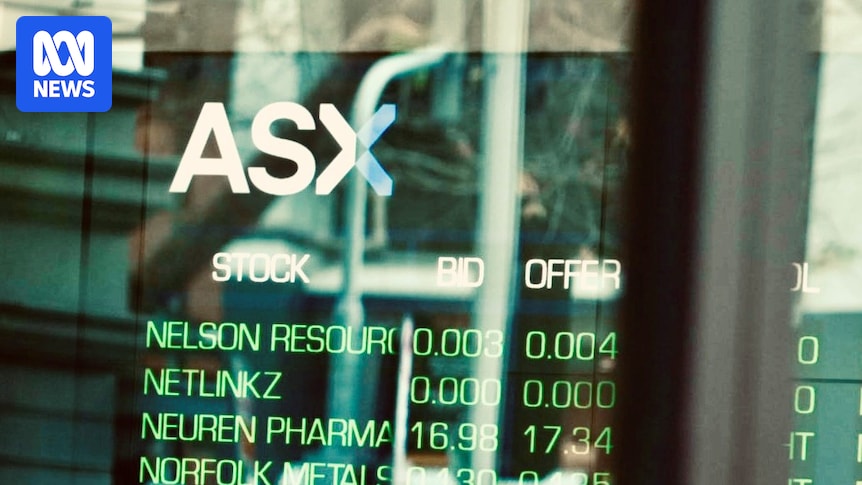
As the Australian Stock Exchange (ASX) prepares to open, financial analysts predict a potential rise in the market. This optimism follows a modest session on Wall Street, where major indices saw slight gains despite the backdrop of rising oil prices.
Middle East Tensions and Oil Price Surge
The ongoing conflict in the Middle East has continued to exert upward pressure on oil prices. Iran’s recent attacks on the United Arab Emirates have intensified concerns about the stability of global oil supply, especially with the US-Israeli conflict with Iran entering its third week.
“The risks remain stark: It only takes one Iranian militia to fire a missile or plant a mine on a passing tanker to reignite the entire situation,” noted IG market analyst Tony Sycamore in a client note.
The attack on the UAE’s Fujairah export terminal has led to a partial halt in oil loading. Fujairah is a critical hub, handling oil volumes equivalent to about 1% of global demand. The effective closure of the Strait of Hormuz has forced the UAE to cut its output by more than half, according to Reuters.
Middle East crude prices have soared to record highs, becoming the world’s most expensive oil. Traders attribute this price spike to the reduced supply available for delivery.
Global Reactions and Economic Implications
The international community has been divided in its response to the crisis. US President Donald Trump’s calls for a coalition to protect tankers in the Strait of Hormuz have met with resistance. German Defence Minister Boris Pistorius stated, “this is not our war, we have not started it,” while French President Emmanuel Macron declared that France would only participate in operations ensuring freedom of navigation post-hostilities.
Brent crude futures jumped 3.3% to $US103.45 per barrel as doubts grew over the US’s ability to form a meaningful coalition.
This geopolitical tension has contributed to a volatile economic environment, with central banks worldwide closely monitoring the situation. The RBA has already raised its cash rate twice in as many months, reacting to inflationary pressures exacerbated by the conflict.
RBA’s Interest Rate Strategy
Australia’s Reserve Bank is the first among major advanced economy central banks to meet this week, having increased its cash rate to 4.1%. The decision was narrowly passed with a 5-4 vote, reflecting internal divisions on the timing and necessity of further rate hikes.
RBA Governor Michele Bullock emphasized the board’s consensus on the need for higher borrowing costs but acknowledged differing opinions on the timing. The board is considering the local impacts of the Middle East conflict and additional economic data before making further decisions.
The market odds of a follow-up rate hike in May dropped from 100% to just 41%, according to LSEG data.
Market Reactions and Future Outlook
The Australian dollar has rebounded above 71 US cents, recovering from losses incurred after the RBA’s rate decision. ASX futures indicate a slight gain at market opening, reflecting cautious optimism among investors.
Meanwhile, the global economic landscape remains uncertain. Central banks are wary of repeating past mistakes, such as underestimating inflationary pressures post-COVID-19 and the Ukraine war. The RBA’s proactive stance on interest rates underscores its commitment to curbing inflation, even as it navigates the complexities of a volatile global market.
As the situation in the Middle East evolves, its implications for global oil supply and economic stability will continue to be closely watched. Investors and policymakers alike will need to remain vigilant, adapting to new developments as they unfold.