




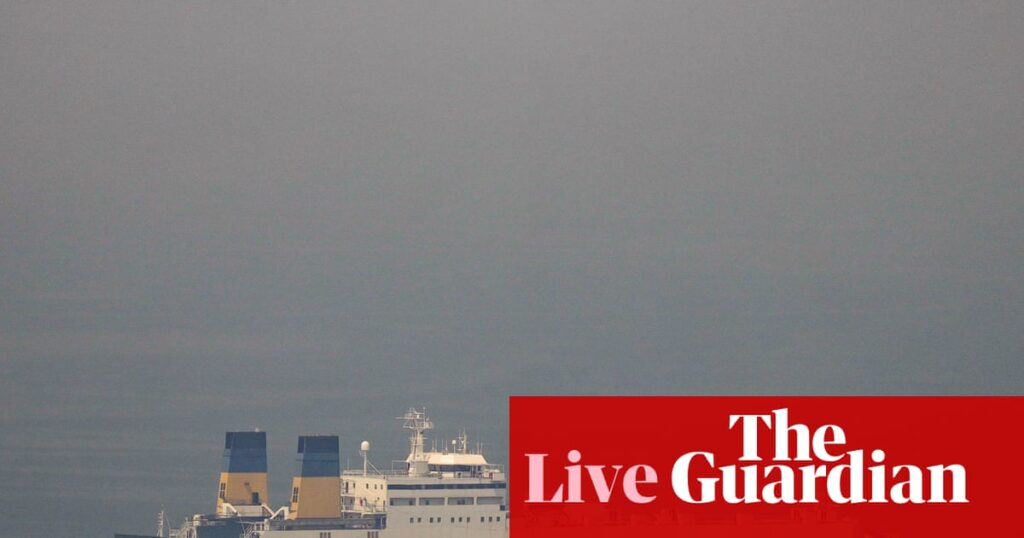
In a significant decision amid escalating tensions in the Middle East, Australia’s federal infrastructure minister, Catherine King, announced that the nation will not be dispatching warships to the Strait of Hormuz. This vital oil shipping corridor has been effectively shut down due to ongoing conflicts in the region.
Speaking to RN Australia, King emphasized that Australia is “well prepared” to handle the current situation. She noted,
“It’s clear, obviously, the longer that the war continues, the greater the impacts will be felt, not just by us, but obviously the Asia-Pacific region overall. We’ll continue to monitor those events as they occur.”
Despite local distribution issues, King reassured that the national fuel stockpile remains robust, ensuring that planned shipments to Australia are still on track.
Global Oil Market Repercussions
The decision not to send Australian naval forces comes as oil prices continue to rise, driven by fears of supply disruptions. The international benchmark, Brent crude, saw a 1.8% increase, reaching $104.98 a barrel early Monday. These fluctuations follow a U.S. military strike on Iran’s Kharg Island, a critical oil export hub, further exacerbating market volatility.
Former U.S. President Donald Trump recently asserted that the U.S. had “totally demolished” parts of Kharg Island, with intentions to continue military actions. He has also called for international allies to assist in reopening the Strait of Hormuz, a key passageway for global oil shipments.
Australia’s Strategic Stance
In response to Trump’s appeal, James Paterson, the Coalition’s defense spokesperson, expressed caution regarding potential Australian involvement. He stated on Channel Nine’s Today show,
“If one [request] came, we’d have to very carefully consider it against our national interest and particularly whether we have the relevant naval vessels available that could safely do that mission.”
While Trump mentioned several countries he hopes will join the U.S. efforts, Australia was not directly named.
Australia’s decision reflects a broader strategic calculation, balancing national interests with international pressures. The government remains vigilant, with ongoing communication between the offices of Foreign Affairs Minister Penny Wong and Defense Minister Richard Marles.
Local Impacts and Broader Implications
As the situation unfolds, the Australian government continues to assess the potential impacts on the Asia-Pacific region. The longer the conflict persists, the more pronounced its effects could become, not only on energy markets but also on regional stability.
Meanwhile, the recent developments have sparked a broader discussion on energy security and geopolitical alignments. Experts suggest that Australia’s reliance on its fuel stockpile demonstrates a strategic move to maintain autonomy and stability amidst global uncertainties.
Looking ahead, the government’s focus will likely remain on monitoring the situation closely and ensuring that Australia’s energy needs are met without compromising national security. The decision not to send warships underscores a cautious approach, prioritizing diplomatic and economic strategies over military engagement.
As the Middle East crisis continues to evolve, Australia’s stance may serve as a bellwether for other nations grappling with similar decisions. The coming weeks will be critical in determining the trajectory of international responses and their long-term implications for global energy markets and regional peace.