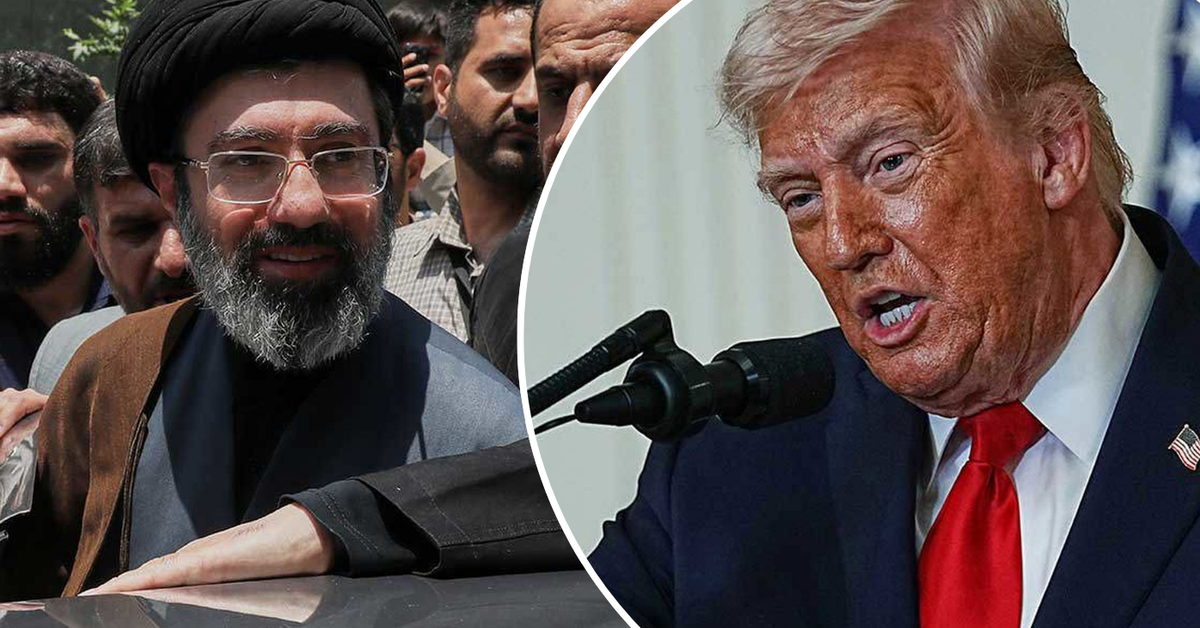





In a comprehensive discussion with journalist Chris Hedges, renowned political scientist John J. Mearsheimer warned that the ongoing conflict involving the United States, Israel, and Iran could lead to significant global economic disruptions and a strategic setback for Washington. Mearsheimer argues that the US and Israel have entered a war of attrition with Iran, with dire consequences looming on the horizon.
The conflict, marked by Iran’s strategic maneuvers such as closing the Strait of Hormuz and threats to mine the critical waterway, has already triggered an energy crisis of unprecedented scale. This development has left the US and its ally Israel struggling to maintain their strategic foothold in the region. According to Mearsheimer, Iran has effectively degraded the military infrastructure in the Gulf and Israel, leaving the US and Israel vulnerable to missile and drone attacks.
Strategic Missteps and Military Challenges
The Trump administration’s approach to the conflict has been criticized for lacking clear objectives, with calls for unconditional surrender and threats proving unrealistic. Mearsheimer highlights that the US miscalculated the impact of assassinating top Iranian leaders, including the supreme leader, which has only served to escalate tensions. As the conflict drags on without a discernible exit strategy, the potential for the US to be forced into meeting Iranian demands grows, threatening to end US hegemony in the region.
Joining the discussion, Mearsheimer, a distinguished professor of political science at the University of Chicago, expressed surprise at how previous US administrations resisted Israeli pressure to engage in war with Iran. He noted that despite attempts by Israeli Prime Minister Netanyahu to draw the US into the conflict, it was under President Trump that the US finally took the bait.
The Role of Military Leadership
General Dan Caine, the current chairman of the Joint Chiefs of Staff, has been a central figure in the unfolding drama. Despite being appointed by Trump, Caine has reportedly warned against the viability of military options against Iran. Mearsheimer suggests that Caine’s visible discomfort during public appearances reflects his awareness of the challenges ahead, as he had cautioned against the war’s potential pitfalls from the outset.
“General Caine knew from the get-go that this one was not going to work out the way Trump and Netanyahu thought it would,” Mearsheimer stated.
Iran’s Calculated Strategy
Iran’s response has been strategic, focusing on undermining the economic infrastructure in the Gulf and globally, rather than confronting US military might directly. Mearsheimer acknowledges Iran’s adeptness in strategizing, noting their significant arsenal of short-range ballistic missiles and drones capable of causing extensive damage to Gulf states, including Saudi Arabia.
Iran’s military strategy has evolved, with initial attacks targeting US installations and Gulf states. However, recent announcements indicate a shift towards focusing on Israel, leveraging their long-range ballistic missile capabilities. Mearsheimer warns that the US and Israel’s finite defensive resources could be overwhelmed, leading to a protracted conflict with no clear resolution.
Historical Context and Lessons
Mearsheimer draws parallels with historical conflicts, emphasizing the limitations of air power in achieving regime change. He cites examples from World War II and the Korean War, where extensive bombing campaigns failed to compel governments to surrender. The notion that air campaigns can lead to regime change without ground forces is, according to Mearsheimer, a fallacy.
“The historical record makes it unequivocally clear that this is almost impossible to do,” Mearsheimer asserted.
Global Economic Implications
The potential closure of the Strait of Hormuz poses a significant threat to global oil supply, with far-reaching economic consequences. Mearsheimer warns of a possible global recession or depression, particularly affecting Europe, Japan, and South Korea, which are heavily reliant on Gulf oil. The Trump administration, aware of these risks, is reportedly seeking an off-ramp to de-escalate the conflict.
However, Iran’s leverage in the situation complicates negotiations. Mearsheimer suggests that Iran is unlikely to concede without substantial concessions, including sanctions relief and guarantees against future conflicts. The balance of power appears to favor Iran, making a straightforward resolution challenging.
Geopolitical Ramifications
The conflict has broader geopolitical implications, with Russia and China reportedly providing intelligence and technological support to Iran. Mearsheimer argues that both countries have a vested interest in seeing the US struggle in Iran, viewing it as a strategic opportunity to weaken a common adversary.
“The United States is a mortal enemy of both Russia and China,” Mearsheimer noted, highlighting the complex international dynamics at play.
Impact on Regional Alliances
The conflict’s impact on US alliances in the Middle East is profound. Gulf states, once seen as strategic partners, may reconsider their alliances due to the perceived threat posed by their association with the US. Mearsheimer suggests that these states could either distance themselves from the US or seek closer ties to counter Iran’s influence.
In Israel, the conflict has exacerbated existing tensions, with military censorship obscuring the full extent of the damage. Mearsheimer warns that Israel’s ongoing conflicts with neighboring entities, including Hezbollah and Gaza, coupled with the potential for Iran to develop nuclear capabilities, paint a bleak picture for the region’s future stability.
The discussion between Hedges and Mearsheimer underscores the complexity and high stakes of the US-Israel-Iran conflict, with implications that extend far beyond the immediate region. As the situation continues to evolve, the potential for significant geopolitical and economic shifts remains a pressing concern for global leaders.