

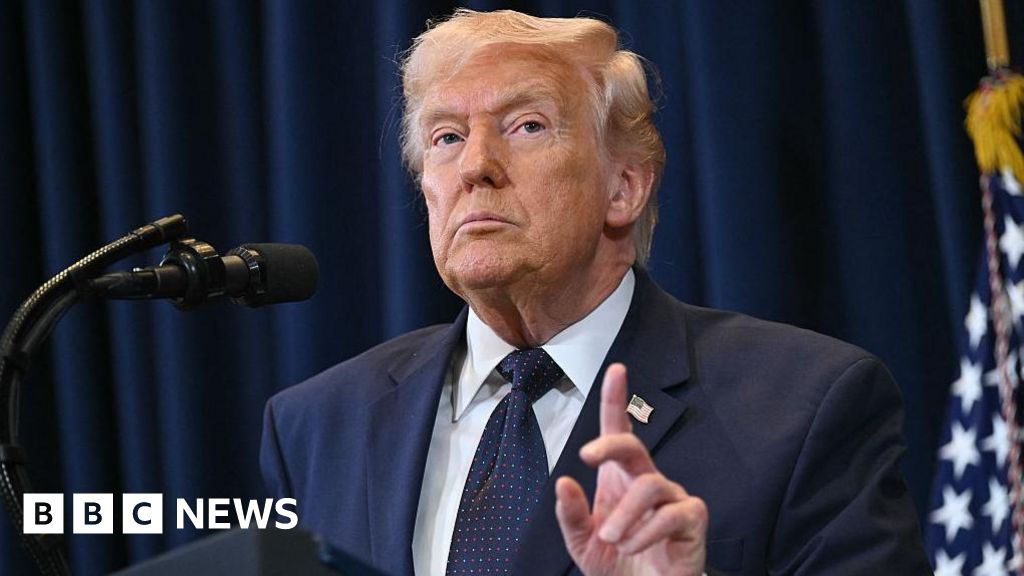
US President Donald Trump announced on Monday that he plans to delay his anticipated visit to China, initially scheduled for late March, due to the escalating conflict in Iran. Speaking to reporters at the White House, Trump emphasized the necessity of staying in Washington to manage the ongoing war efforts.
“We’ve requested that we delay it a month or so,” Trump stated, underscoring the importance of his presence in overseeing the war. The meeting with Chinese President Xi Jinping, originally set for March 31 to April 2, would have been their first face-to-face encounter since October of the previous year.
Impact of the Iran Conflict on US Foreign Policy
The Iran war has overshadowed many of Trump’s other foreign policy agendas. The conflict has intensified, disrupting global oil supplies and threatening to increase prices in the United States. Trump clarified that the decision to delay the meeting with Xi was solely to ensure he could manage the war effectively.
“I’m looking forward to being with him,” Trump said, referring to Xi. “We have a very good relationship.” He further assured, “There’s no tricks to it either. It’s very simple. We’ve got a war going on. I think it’s important that I be here.”
Economic and Diplomatic Considerations
US Treasury Secretary Scott Bessent confirmed that the delay was not influenced by Washington’s request for Beijing’s assistance in the Gulf or any trade disagreements. “The President wants to remain in DC to coordinate the war effort… Travelling abroad at a time like this may not be optimal,” Bessent noted.
This development follows Trump’s comments to the Financial Times, where he suggested postponing the meeting if China did not assist in unblocking the Strait of Hormuz, a vital channel for energy shipments from the Gulf. Trump has also called on other nations to ensure safe passage for ships through the strait.
Growing Tensions Between the US and China
The postponement of the meeting comes amid rising tensions between the world’s two largest economies, exacerbated by the Iran conflict. China, a significant purchaser of Iranian energy exports, has criticized US and Israeli military actions against Iran.
In addition to the military tensions, Washington has announced an investigation into trade practices among several countries, including China. This move follows the Supreme Court’s decision in February to strike down Trump’s signature tariff policy.
Ongoing Negotiations and Future Implications
Representatives from the US and China have recently engaged in negotiations in Paris, addressing issues such as investments, tariffs, and economic sanctions. These discussions are crucial as both nations navigate the complexities of their economic and diplomatic relationship amidst the backdrop of the Iran conflict.
“The President wants to remain in DC to coordinate the war effort… Travelling abroad at a time like this may not be optimal.” – US Treasury Secretary Scott Bessent
The delay in Trump’s visit to China underscores the broader implications of the Iran conflict on international diplomacy and economic relations. As the situation in Iran continues to evolve, the global community remains watchful of how these developments will influence future interactions between the US and China.
Looking ahead, the rescheduling of the Trump-Xi meeting will be closely monitored, with potential impacts on global trade and diplomatic strategies. The world waits to see how these geopolitical dynamics will unfold in the coming months.