

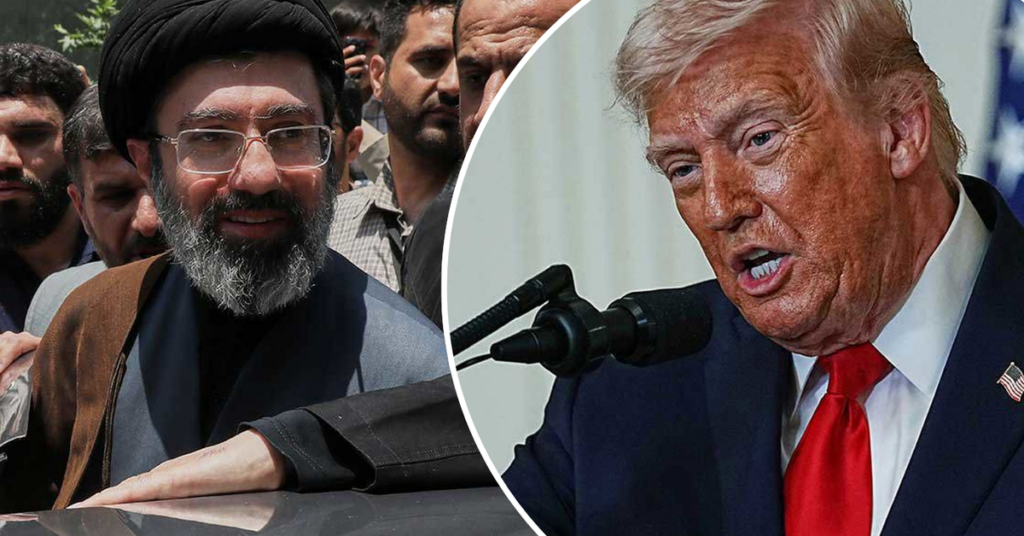
Donald Trump has weighed in on the wellbeing of Iran’s new Supreme Leader Mojtaba Khamenei, amid intensifying speculation about his health and whereabouts. Since his elevation to the top role following his father’s assassination, Khamenei has not been publicly seen, sparking widespread conjecture. However, a statement attributed to him was broadcast on Iranian state television overnight.
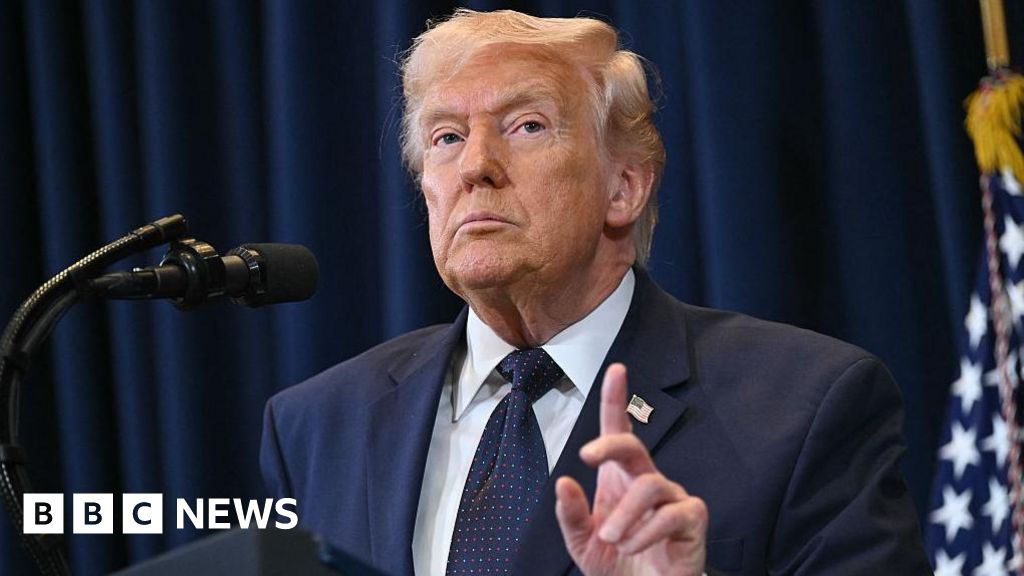
Speaking to Fox Radio, the former U.S. president was asked whether he believed Khamenei was alive. Trump responded, “I think he probably is. I think he is damaged, but I think he’s probably alive in some form, you know.”
Uncertainty Surrounding Khamenei’s Condition
The statement from Khamenei, read by a news anchor, addressed the Iranian people, vowing vengeance for their martyrs and emphasizing the strategic importance of the Strait of Hormuz. “We will not refrain from avenging the blood of your martyrs,” it read. “The popular demand is to continue our effective defence and make the enemy regret! The lever of blocking the Strait of Hormuz must continue to be used.”
Israeli intelligence sources suggest that Khamenei was injured in the same bomb strike that killed his father, the Ayatollah Ali Khamenei. This claim is supported by Iran’s ambassador to Cyprus, Alireza Salarian, who stated, “I have heard that he was injured in his legs and hand and arm. I think he is in the hospital because he is injured.”
“The strike also killed the new supreme leader’s wife, sister, brother-in-law, infant niece, and son.”
Political Ramifications and Regime’s Response
The Iranian regime has strong reasons to obscure Khamenei’s health status. Both the U.S. and Israeli governments have signaled intentions to continue military operations, including potential further strikes targeting Iranian leadership. In such a volatile environment, projecting strength remains crucial for the regime.
Ali Larijani, Secretary of the Supreme National Security Council, emphasized that Khamenei’s condition “has not been reported as critical.” He added, “Despite this incident, he continues to provide full authoritative guidance and oversight of the operations, and all actions and attacks are carried out with his direct permission and orders.”
Opposition and International Reactions
Reza Pahlavi, a former crown prince and prominent opposition figure, expressed skepticism regarding the statement attributed to Khamenei. “Whether it was Mojtaba Khamenei or his IRGC handlers, the first statement from the current regime’s new leader confirms what the Iranian people have known all along: the Islamic Republic is incapable of change,” he remarked. “Terror and repression are in its DNA. This latest statement promises only to continue the same insatiable bloodlust and chaos that has held our nation and the world hostage for decades.”
Meanwhile, international observers are closely monitoring the situation, as the uncertainty surrounding Khamenei’s health could have significant implications for regional stability. The potential for increased tensions in the Strait of Hormuz, a critical chokepoint for global oil shipments, remains a key concern.
Looking Forward
The unfolding events in Iran underscore the fragile balance of power in the Middle East. As the world watches, the health and status of Mojtaba Khamenei could influence not only Iran’s internal dynamics but also its interactions with the broader international community. The coming days and weeks are likely to see continued scrutiny and speculation as more information becomes available.