



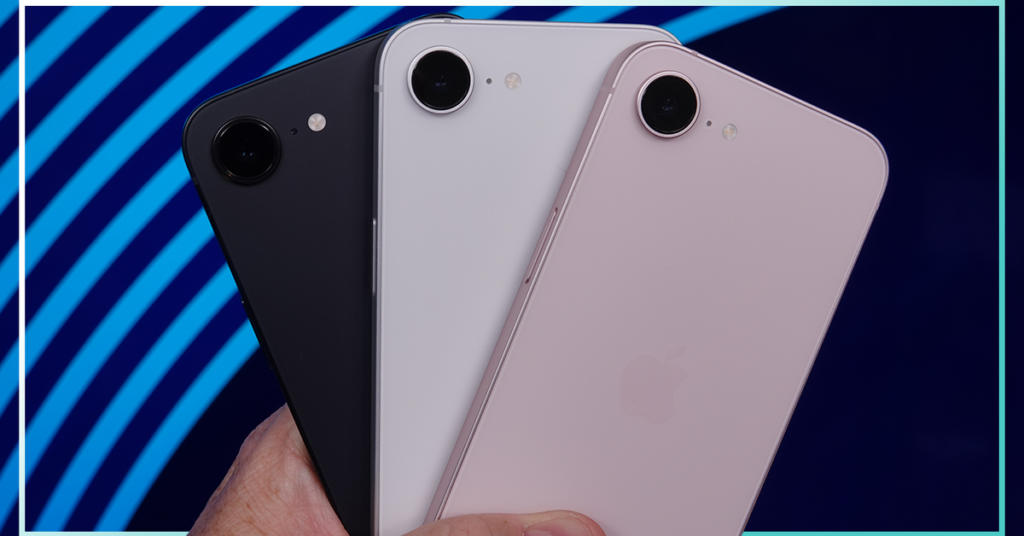
Apple has introduced the iPhone 17e, its latest entry-level smartphone, marking a continuation of its strategy following the discontinuation of the iPhone SE. Unveiled in 2026, the iPhone 17e aims to cater to a specific market segment: iPhone users holding onto older models. Priced at $999, it represents the most affordable new iPhone in Apple’s current lineup.
The release of the iPhone 17e comes as Apple seeks to offer a cost-effective option for those reluctant to upgrade from aging devices. While it doesn’t compare to the flagship iPhone 17 or the premium 17 Pro models, it offers a compelling package for its target audience.
Targeting Legacy iPhone Users
Apple’s strategy with the iPhone 17e is clear: attract users of older iPhones such as the iPhone 7, 8, or X. These devices, while still functional, often struggle with performance and lack support for the latest software updates. The iPhone 17e addresses these issues with modern hardware and software capabilities.
One of the iPhone 17e’s appealing features is its 6.1-inch Super Retina XDR display, a size that feels comfortable for users accustomed to smaller screens. While it lacks the ProMotion technology and Always On display found in higher-end models, it retains the same A19 chip as the standard iPhone 17, ensuring robust performance.
Design and Features
Apple has equipped the iPhone 17e with a new ceramic shield technology, reportedly tripling its scratch resistance. Although anecdotal evidence suggests it is effective, users will need time to assess its durability fully. Additionally, the phone supports MagSafe, Apple’s magnetic attach wireless charging system, which has been a popular feature since the iPhone 12.
“Apple’s decision to include MagSafe and double the storage to 256GB at the same price point is a significant upgrade for users transitioning from older models.”
Market Comparison and Criticisms
Despite its strengths, the iPhone 17e has drawn criticism for its single-camera setup. In a market where multi-lens systems are standard even in budget Android phones, Apple’s decision appears outdated. Critics argue that for $999, consumers should expect more advanced camera capabilities.
However, Apple seems confident that its core audience—those loyal to the brand and less concerned with camera specs—will overlook this shortcoming. The company has historically succeeded in maintaining a dedicated customer base that values the iOS ecosystem and Apple’s design philosophy over raw specifications.
Pricing Strategy and Market Position
The iPhone 17e’s pricing strategy reflects Apple’s understanding of its market. While some suggest a $599 price point would be more competitive, Apple’s brand power allows it to maintain higher prices. The iPhone 17e offers a balance of modern features and brand prestige, appealing to those who prioritize these factors over cost.
“Apple’s pricing strategy hinges on its ability to deliver perceived value through brand loyalty and ecosystem integration.”
Conclusion: A Strategic Offering
In conclusion, the iPhone 17e is a strategic offering from Apple, designed to capture a segment of the market that values brand loyalty and ecosystem integration. While it may not compete on specs with similarly priced Android devices, it provides a compelling option for users looking to upgrade from older iPhones without breaking the bank.
The iPhone 17e’s introduction highlights Apple’s ongoing commitment to offering a diverse range of products that cater to different consumer needs. As the tech giant continues to innovate, it remains to be seen how the iPhone 17e will perform in the competitive smartphone market.
For those considering an upgrade, the iPhone 17e presents a value proposition worth exploring, especially for users deeply embedded in the Apple ecosystem. However, potential buyers might also consider last year’s iPhone 16e, which offers lower storage and lacks MagSafe but is available at a more competitive price point.