



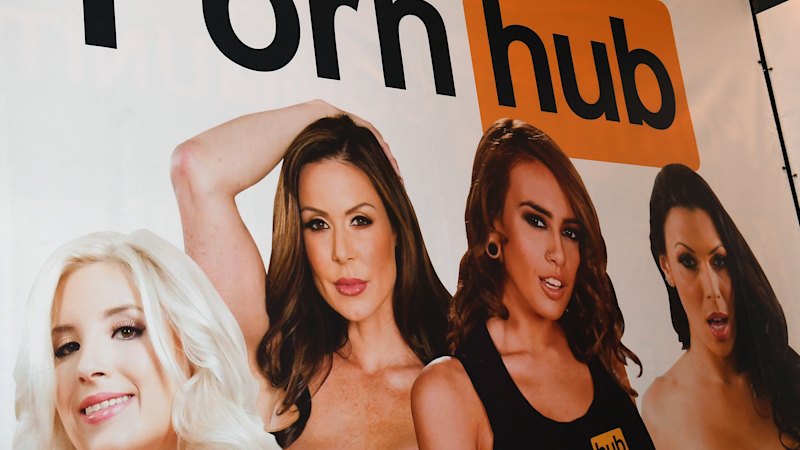
On March 9, 2026, Australians visiting Pornhub were met with a surprising change. Instead of the usual explicit content, the site displayed podcasts, lifestyle segments, and branded merchandise. This shift occurred as the eSafety Commissioner’s Age-Restricted Material Codes took effect, aiming to regulate access to adult content. Pornhub, a leading source of pornographic material in Australia, saw its traffic plummet as a result.
The introduction of these codes marks a significant move by Australian regulators to control the online environment, particularly concerning the exposure of explicit content to minors. The adult entertainment industry, however, has not taken this lightly, with Pornhub reacting by limiting access rather than complying with the new regulations.
Background and Context
Australia’s journey to this point has been a long one, marked by growing concerns over the impact of online pornography on young people. Discussions about children’s exposure to explicit content began in earnest around 2017, as studies revealed that Australian children were encountering such material at increasingly younger ages.
The urgency of the issue was further highlighted by events such as the 2019 Christchurch massacre, which was livestreamed on social media, raising questions about the internet’s ability to self-regulate. The COVID-19 pandemic exacerbated these concerns, as children spent more time online, and cases of non-consensual image sharing became more prominent.
In response, the Albanese government introduced a world-first social media ban for under-16s in 2025, followed by the age verification codes that came into effect this month. These measures reflect a broader global trend, with similar laws being enacted or considered in the United States, the United Kingdom, and Brazil.
The Regulatory Response
The new regulations require platforms to verify users’ ages through methods such as photo ID, facial age estimation, and credit card checks. Non-compliance can result in hefty fines, making it a significant challenge for sites like Pornhub, which have thrived on anonymous access.
The Montreal-based company Aylo, which owns Pornhub, has been vocal in its opposition, citing privacy concerns. However, these claims are met with skepticism, given past findings by Canada’s privacy watchdog that the company mishandled users’ intimate images without consent.
The Rise of VPNs and Privacy Concerns
In the wake of the new laws, VPN services have surged in popularity in Australia, as users seek ways to bypass age verification. Critics argue that this surge indicates the laws are failing, but experts like Dr. Belinda Barnet from Swinburne University suggest otherwise.
“It is wrong to assume it is kids downloading VPNs,” Barnet says. “It is just as likely to be adults wanting to avoid identifying themselves.”
However, using VPNs poses its own risks, as users may inadvertently share their data with potentially untrustworthy companies. This highlights a paradox where individuals trying to protect their privacy might expose themselves to greater risks.
Implications for Education and Policy
The debate over age verification is not just about technology but also about education and policy. Cindy Gallop, founder of MakeLoveNotPorn, argues that legislation alone is insufficient. She advocates for comprehensive sex education as a more effective solution to help young people navigate the complexities of online content.
“Legislation doesn’t work,” Gallop says. “The only solution is educating them as early as possible about sex.”
Gallop’s platform aims to provide a space for honest discussions about sex, challenging the secrecy and shame that often surrounds the topic. Her efforts, however, face significant obstacles, including a lack of investor support and restrictive social media policies.
The Voices of Those Affected
The new regulations have sparked concerns among sex workers, who fear that restricting access to compliant platforms will drive users to unregulated sites, where exploitation is more likely to occur. Mish Pony, CEO of Scarlet Alliance, warns of the economic and safety impacts on sex workers.
“That leaves sex workers not earning income from their content,” Pony said, “with obvious flow-on effects – lower earnings and being pushed into working in ways that are less safe.”
Despite consultations with groups like Scarlet Alliance, many in the industry feel their voices remain unheard. The challenge now is to balance regulation with the realities of the digital landscape and the needs of those it affects.
Looking Ahead
As age verification becomes more widespread, the focus will shift to how these systems are implemented and their long-term impact on internet access. Analysts predict a future where digital identity verification becomes a standard part of online interactions.
The broader question remains: how to educate young Australians about sex, consent, and intimacy in a digital age. While age verification is a step forward, it is clear that more comprehensive solutions are needed to address the underlying issues.
As the debate continues, the challenge will be to create an environment that protects young people while respecting privacy and supporting those who rely on the internet for their livelihoods.