



The global oil markets were thrown into a state of uncertainty over the weekend as tensions escalated in the Strait of Hormuz. U.S. Defense Secretary Pete Hegseth assured the public that the strait was “perfectly fine,” despite Iran’s aggressive actions. “The only thing prohibiting transit in the straits right now is Iran shooting at shipping. It is open for transit, should Iran not do that,” Hegseth stated. However, traders remained unconvinced, pushing oil prices back over $100 a barrel.
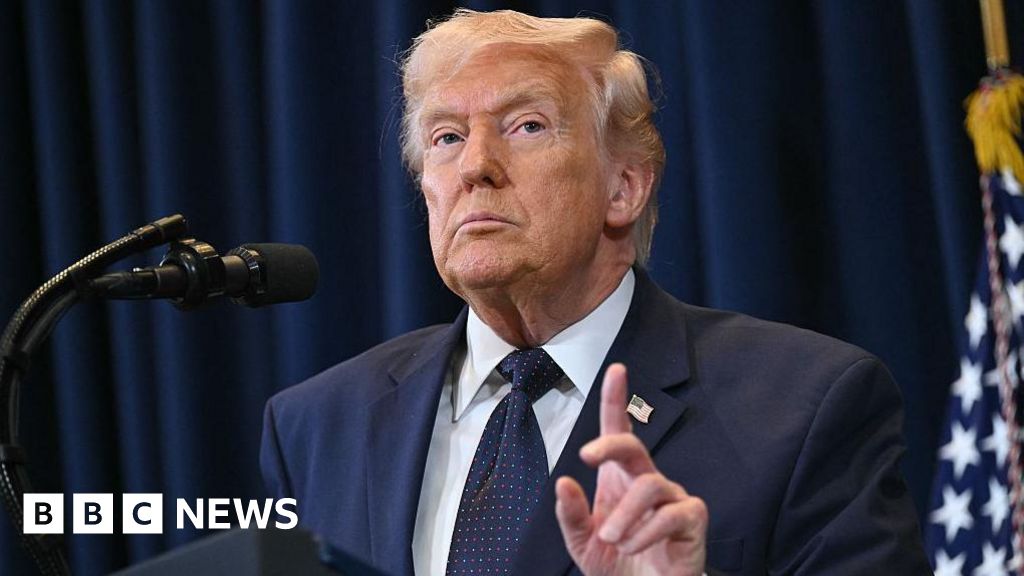
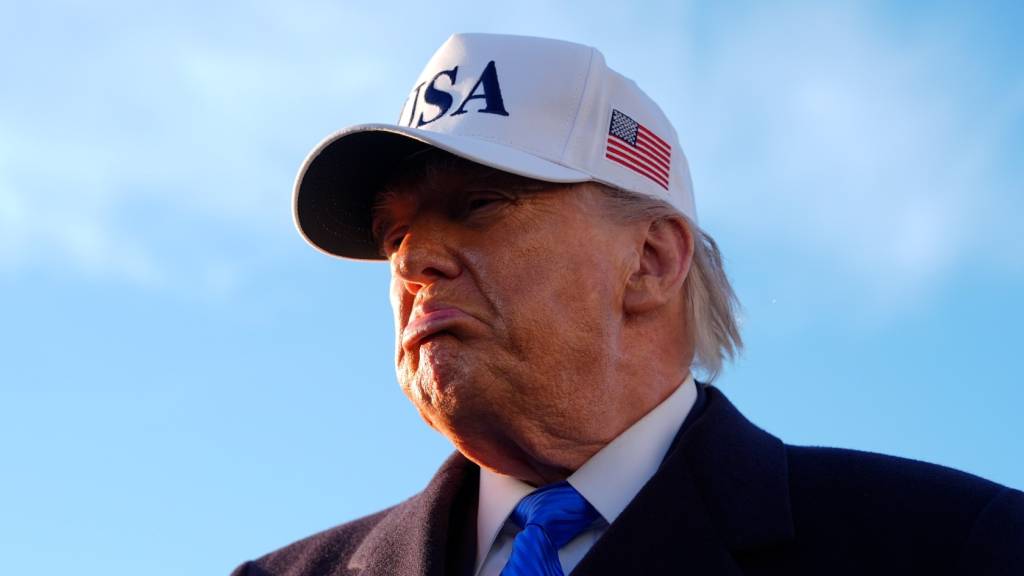
This development comes as the United States faces increasing pressure to manage its foreign policy challenges, particularly in the Middle East. The Trump administration’s approach has drawn criticism, with some experts suggesting that the president is seeking assistance from China to mitigate the situation.
Background on the Strait of Hormuz
The Strait of Hormuz is a strategically vital waterway, serving as a conduit for nearly a fifth of the world’s oil supply. Any disruption in this region can have significant implications for global energy markets. Historically, the strait has been a flashpoint for geopolitical tensions, with Iran often at the center of these disputes.
In recent years, the U.S. has increased its military presence in the region, citing the need to ensure the free flow of oil and to deter potential threats from Iran. However, the situation remains volatile, with periodic flare-ups that threaten to disrupt shipping lanes.
Trump’s Diplomatic Overtures to China
Amidst these tensions, President Trump has reportedly reached out to China, seeking their influence to de-escalate the situation. This move is seen as a significant shift in U.S. foreign policy, given the current trade tensions between the two nations.
China, as one of the largest importers of Iranian oil, holds considerable sway in the region. Experts suggest that Trump’s overtures to Beijing could be a strategic attempt to leverage China’s economic interests to stabilize the situation in the Strait of Hormuz.
Expert Opinions
According to Dr. Emily Harding, a Middle East policy analyst, “The Trump administration’s decision to engage China is both pragmatic and necessary. The U.S. alone cannot manage the complexities of the Middle East, and China’s involvement could provide a much-needed diplomatic balance.”
“The Strait of Hormuz is not just a regional issue; it’s a global one. Any disruption here affects everyone, from oil traders to everyday consumers,” Harding added.
Implications for Global Oil Markets
The uncertainty surrounding the Strait of Hormuz has already had tangible effects on oil prices. As traders react to the potential for conflict, the cost of crude has surged, impacting everything from transportation costs to consumer prices at the pump.
Economists warn that prolonged instability in the region could lead to sustained high oil prices, which would have ripple effects across the global economy. “If the situation doesn’t stabilize, we could see a significant impact on global growth,” noted economist James Lin.
Meanwhile, countries heavily reliant on oil imports are closely monitoring the situation. Many are considering strategic reserves and alternative supply routes to mitigate potential disruptions.
Looking Ahead
The coming weeks will be critical as diplomatic efforts unfold. The international community will be watching closely to see how the U.S. and China navigate this complex geopolitical landscape.
For now, the world waits with bated breath, hoping for a resolution that ensures the continued free flow of oil through the Strait of Hormuz and stabilizes the global energy markets.