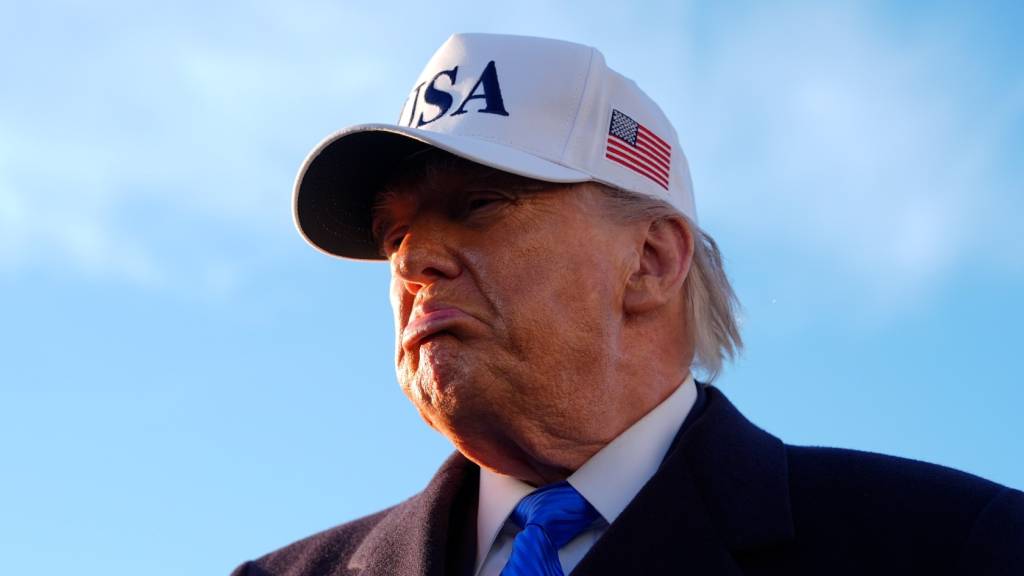



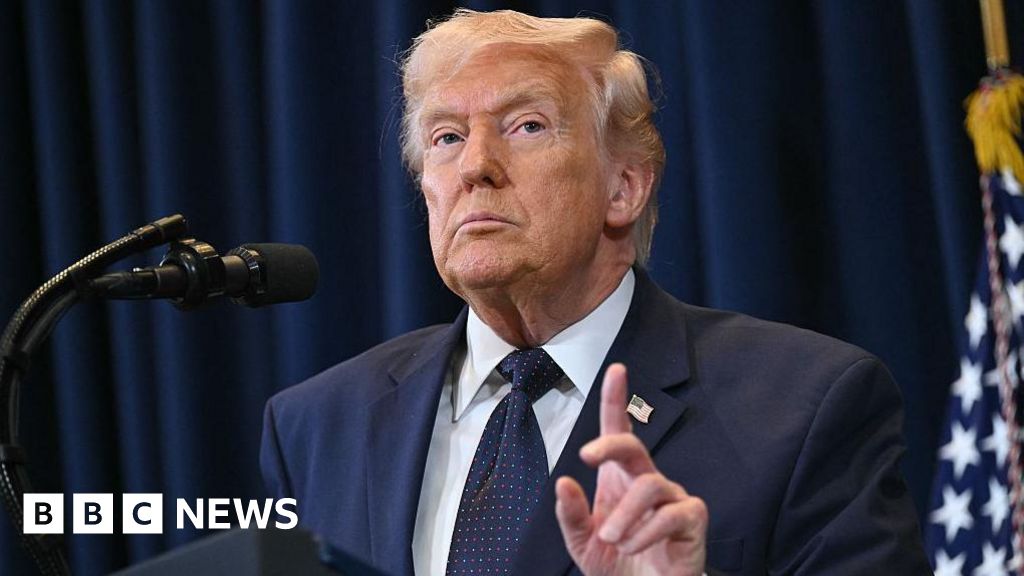
US President Donald Trump announced on Monday that he plans to delay his anticipated visit to China, originally scheduled for late March, by about a month due to the ongoing conflict in Iran. Speaking to reporters at the White House, Trump emphasized the necessity of his presence in the United States to manage the war effort effectively.
“We’ve requested that we delay it a month or so,” Trump stated, underscoring the importance of overseeing the escalating situation in Iran. The meeting with Chinese President Xi Jinping was initially set to occur from March 31 to April 2, marking their first face-to-face interaction since October of the previous year.
Impact of the Iran Conflict on US Foreign Policy
The Iran war has overshadowed many of Trump’s other foreign policy objectives, as the intensifying conflict threatens global oil supplies and risks driving up prices in the United States. Trump’s decision to postpone the meeting underscores the war’s priority over other international engagements.
“I’m looking forward to being with him,” Trump said, referring to Xi Jinping. “We have a very good relationship.” He assured that the delay was purely logistical, stating, “There’s no tricks to it either. It’s very simple. We’ve got a war going on. I think it’s important that I be here.”
US-China Relations Amidst Global Tensions
US Treasury Secretary Scott Bessent confirmed that the delay was not related to any demands for Chinese assistance in the Gulf or ongoing trade disagreements. “The President wants to remain in DC to coordinate the war effort,” Bessent explained. “Travelling abroad at a time like this may not be optimal.”
This development follows Trump’s comments to the Financial Times, suggesting a potential postponement if China did not assist in unblocking the Strait of Hormuz, a vital channel for energy shipments from the Gulf. Trump also urged other nations to ensure safe passage through the strait.
Escalating Frictions Between the US and China
Tensions between the US and China have been exacerbated by the Iran conflict. Beijing, a major purchaser of Iranian energy exports, has criticized US and Israeli military actions against Iran. Meanwhile, Washington has announced an investigation into trade practices among several countries, including China, following the Supreme Court’s decision to overturn Trump’s key tariff policy in February.
Recent negotiations in Paris between US and Chinese representatives have focused on issues such as investments, tariffs, and economic sanctions. These talks highlight the complex and multifaceted nature of the US-China relationship, which is being tested by both geopolitical and economic pressures.
Looking Ahead: Implications of the Delay
The postponement of Trump’s visit to China is a significant development in the broader context of US foreign policy. As the situation in Iran continues to unfold, the delay reflects the administration’s prioritization of immediate military and strategic concerns over diplomatic engagements.
Experts suggest that the delay may also impact ongoing trade negotiations and economic relations between the two superpowers. The outcome of these discussions could have far-reaching implications for global markets and international diplomacy.
As the world watches the unfolding events in Iran and the subsequent reactions from global powers, the delay in Trump’s visit to China serves as a reminder of the intricate balance between diplomacy and military strategy in contemporary international relations.
Moving forward, the international community will be closely monitoring both the developments in the Gulf region and the evolving dynamics between the US and China, as these factors are likely to shape the geopolitical landscape in the coming months.