



This week, the world of science has been abuzz with a series of intriguing discoveries and developments. From a cosmic fireball that lit up European skies to the ethereal glow of trees during thunderstorms, the latest findings have captivated both scientists and the public alike. Additionally, groundbreaking research on anti-aging supplements and innovative medical treatments have emerged, promising to reshape our understanding of health and biology.
ESA Investigates Meteorite Impact in Germany
The European Space Agency (ESA) is currently investigating a spectacular fireball that streaked across the skies of Europe on March 8. This celestial event, which lasted approximately six seconds, was witnessed by residents in Belgium, France, Germany, Luxembourg, and the Netherlands. The fireball’s trajectory culminated in a dramatic impact, damaging a house in Germany by punching a hole through its roof.
Such incidents, while rare, are not unprecedented. Meteoritic impacts have been documented throughout history, often sparking both scientific inquiry and public fascination. The ESA’s investigation aims to gather data that could illuminate the origins and composition of the fireball, contributing to our understanding of similar cosmic phenomena.
Enigmatic Glow: Trees Emit Light During Thunderstorms
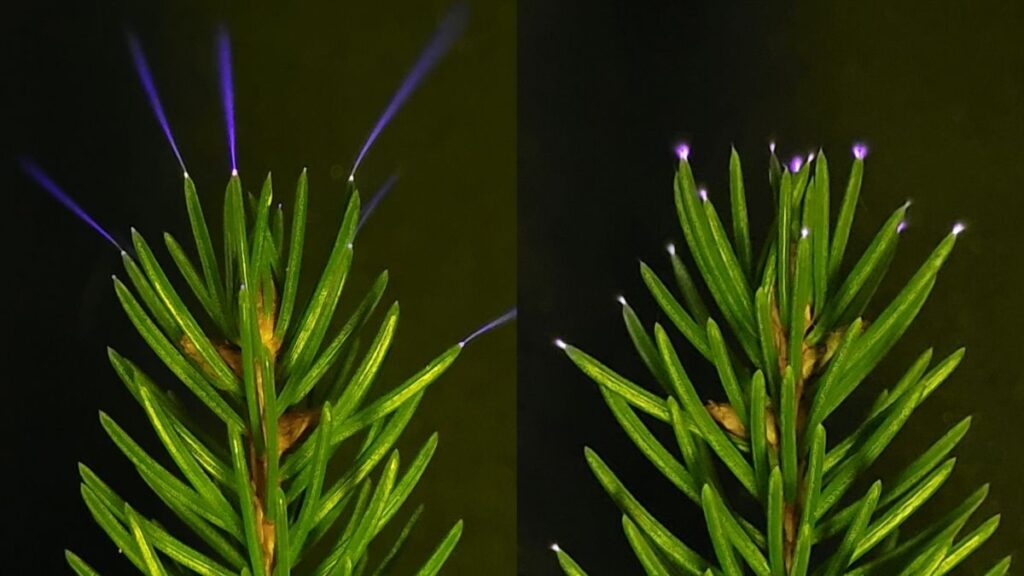
In an extraordinary discovery, meteorologists have observed trees emitting a ghostly ultraviolet (UV) light during thunderstorms. This phenomenon, detected for the first time in nature, occurs as tiny bursts of UV light emanate from the tips of tree leaves. Patrick McFarland, a meteorologist involved in the study, described the sight as a “pretty cool light show,” akin to thousands of UV-flashing fireflies adorning the treetops.
The implications of this discovery extend beyond its visual allure. Understanding the mechanisms behind this natural light emission could offer insights into atmospheric electricity and the interactions between living organisms and their environment. Further research may reveal whether this glow serves a functional purpose for the trees or is merely a byproduct of electrical activity.
Anti-Aging Supplements: A Double-Edged Sword?
In the realm of health science, researchers have uncovered a potential risk associated with polyamines, compounds commonly marketed as anti-aging supplements. While polyamines are celebrated for their purported ability to promote cellular longevity, new findings suggest they may inadvertently fuel cancer growth under certain conditions.
“This research stops a long way short of saying polyamines in general cause cancer. Rather, it’s showing that when cancer has already started through some biological malfunction, the cancer cells can hijack the advantages of polyamines to survive and spread further.”
This nuanced understanding underscores the complexity of biological systems and the need for cautious application of supplements. As scientists continue to explore the intricate relationship between diet, supplements, and disease, consumers are advised to remain informed and consult healthcare professionals before integrating such compounds into their regimen.
Stem Cell Breakthroughs in Japan
In a landmark decision, Japan has approved stem cell therapies for Parkinson’s disease and heart failure, marking a world first in medical treatment. Patients are expected to begin receiving these innovative therapies within months, offering new hope for those afflicted by these debilitating conditions.
Japanese Health Minister Kenichiro Ueno expressed optimism about the potential impact of these treatments, stating, “I hope this will bring relief to patients not only in Japan but around the world.” The move represents a significant step forward in regenerative medicine, with the potential to transform patient outcomes and inspire similar advancements globally.
Bumblebee Queens: Masters of Aquatic Survival
A surprising study has revealed that bumblebee queens possess the ability to survive underwater for extended periods, thanks to a natural adaptation known as a ‘physical gill.’ This remarkable skill allows the queens to endure environmental challenges, such as flooded burrows, ensuring the survival and continuity of their colonies.
The discovery highlights the resilience of these insects and suggests that other species may harbor similar adaptations, equipping them to withstand environmental extremes. As climate change continues to alter habitats worldwide, understanding these survival mechanisms could prove crucial in conservation efforts.
As these diverse scientific stories unfold, they collectively underscore the dynamic nature of scientific inquiry and its profound impact on our understanding of the world. From the mysteries of the cosmos to the intricacies of biology, each discovery adds a new layer to the ever-evolving tapestry of human knowledge.