




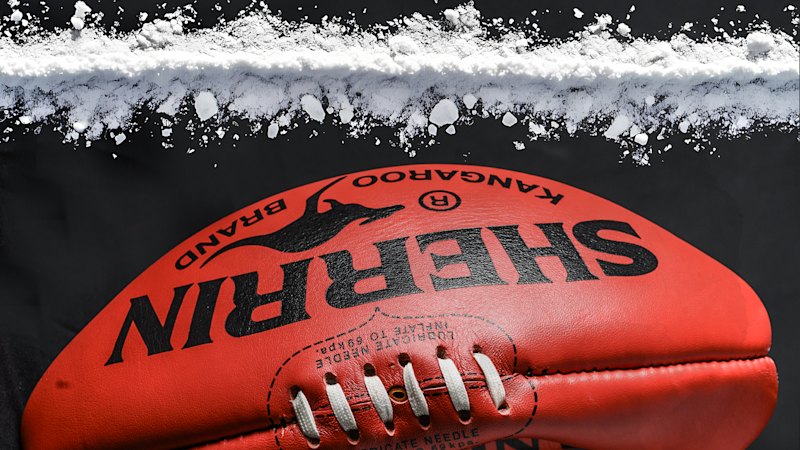
The Australian Football League (AFL) is set to overhaul its illicit drug policy, removing the controversial “strikes” system that previously triggered automatic suspensions. The updated policy, which is still under negotiation with the AFL Players Association, introduces more stringent measures, including a shift from urine to hair testing and the inclusion of AFLW players in the testing program for the first time.
This significant change in the AFL’s approach to drug testing comes after years of criticism and debate over the effectiveness and enforcement of the “strikes” system. Under the current model, players face suspension after two positive tests, but the reality, as sources indicate, is that these strikes have never been strictly enforced. Instead, the focus has been on identifying and treating the problem rather than penalizing players.
New Testing Methods and Inclusion of AFLW Players
The revamped policy will see a transition to hair testing, which is considered more detailed and informative than urine testing. This method can detect drug use from weeks or even months prior, potentially increasing the number of positive tests and ensuring players are held accountable. Additionally, for the first time, AFLW players will be included in the drug testing and treatment program, marking a significant step towards equality in the league’s approach to drug use.
According to a source with direct knowledge of the policy changes, “The move to hair testing represents a tougher stance on illicit drug use, making it harder for players to evade detection.” This shift is part of a broader effort to enhance the accountability and effectiveness of the AFL’s drug policy.
Historical Context and Policy Evolution
Since the introduction of the illicit drug policy in 2004, no player has been suspended solely based on positive tests from AFL-sanctioned urine testing. The AFL reduced the strikes required for suspension from three to two in 2016, yet this change did not lead to any suspensions. The strikes were primarily seen as a mechanism to identify and treat drug issues rather than enforce punitive measures.
AFL chief executive Andrew Dillon, in meetings with clubs last year, indicated that the updated policy would maintain a medical model while acknowledging the ineffectiveness of the strikes system. The focus remains on player health and welfare, with confidentiality being a cornerstone of the policy.
Reactions and Implications
While the AFL and the AFL Players Association have declined to comment on the changes, clubs have largely supported the policy’s direction. Three competition sources noted that the updated policy is seen as more structured and forces players to take greater responsibility during treatment.
However, the practice of ruling players unfit for selection due to drug issues has faced criticism. Independent MP Andrew Wilkie has highlighted concerns that players testing positive are sometimes asked to feign injuries to conceal their results. Despite this, the AFL has defended its stance, prioritizing player health over participation when there’s a risk of inadvertent positive tests for performance-enhancing substances on match days.
“If there’s a chance that they may have something in their system, we don’t want them training and we don’t want them taking part in matches for their health and welfare above anything else,” Dillon stated in 2024.
Looking Ahead
The introduction of hair testing is anticipated to increase the number of players undergoing tests, potentially resulting in more positive results. Until 2026, hair testing was used to provide a snapshot of drug use within clubs without identifying individual players. This change aims to provide a more comprehensive understanding of drug use in the league.
Confidentiality remains a key element of the policy, as it is voluntary and requires player consent. The overlap between drug use and mental health continues to be addressed through confidential treatment programs managed by club doctors.
As the AFL moves forward with these changes, the focus will be on ensuring that players are supported and held accountable in a manner that prioritizes their health and well-being. The new policy is expected to be finalized soon, marking a new chapter in the AFL’s approach to managing illicit drug use among its players.