




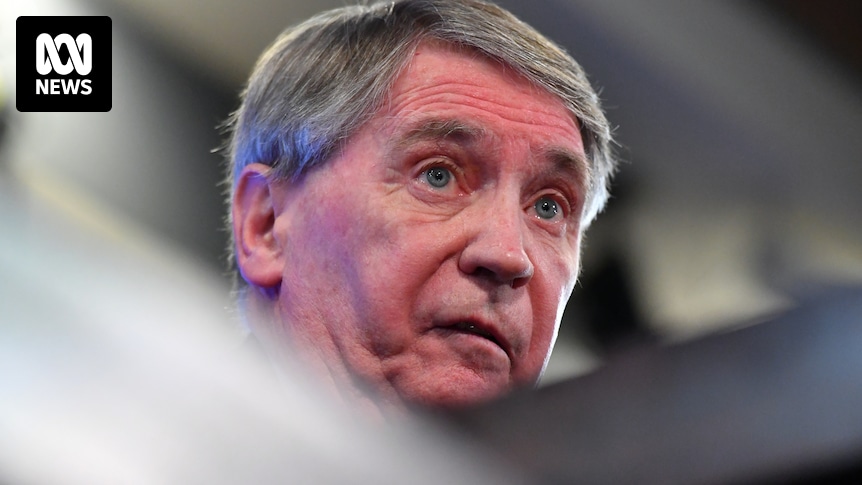
Former Australian Security Intelligence Organisation (ASIO) chief Dennis Richardson has publicly called for a second interim report from the royal commission into antisemitism, emphasizing the urgency of addressing potential intelligence failures linked to the recent Bondi terrorist attack. Richardson’s plea comes in the wake of his unexpected resignation from the commission, highlighting his concerns over the timeline for critical findings.
Richardson, who was initially appointed to spearhead a focused inquiry into intelligence and law enforcement agencies following the attack, has criticized the decision to delay findings until the final report, expected in December. He argues that the current security threats in Australia necessitate a more immediate response.
Background and Current Developments
The royal commission, led by former High Court Judge Virginia Bell, is tasked with delivering an interim report by April 30. However, Bell has indicated that findings related to intelligence failures might not be available until the final report. This delay is attributed to challenges in obtaining and evaluating necessary materials, as noted in a statement from Bell on February 24.
Richardson’s concerns about the timeline were a significant factor in his decision to step down. He expressed that postponing recommendations on intelligence and law enforcement until the year’s end would be “unacceptable,” citing the government’s primary responsibility to ensure public safety.
“The first responsibility of government is safety of the community,” Richardson stated on the Insiders on Background podcast. “Anything emerging from the royal commission relating to intelligence and law enforcement will by definition have implications for public safety.”
Internal Concerns and Proposed Solutions
Before his resignation, Richardson had internally raised concerns about the commission’s schedule. He suggested that the hearings on intelligence and law enforcement, set to begin around the interim report’s due date, necessitate a second interim report. Alternatively, he proposed deferring the initial interim report to accommodate these crucial findings.
Richardson’s public warning has increased pressure on the commission to expedite its intelligence-related findings. The government shares this urgency, with Attorney-General Michelle Rowland emphasizing the need for a thorough and timely exploration of these issues.
“This is urgent,” Rowland stated in late February. “It is urgent to ensure that we have that thorough exploration of all those issues.”
Historical Context and Implications
The call for a second interim report is not unprecedented in Australian history. Past commissions, such as those investigating national security breaches, have issued multiple interim reports to address urgent matters. Richardson’s stance reflects a broader concern about the responsiveness of intelligence agencies in the face of evolving threats.
The implications of delaying findings are significant. With parts of the community living in fear, timely recommendations could influence policy changes and enhance public safety measures. The royal commission’s ability to adapt its timeline could set a precedent for future inquiries into national security matters.
Looking Ahead
As the royal commission continues its work, the pressure from Richardson and government officials underscores the need for agility in addressing intelligence failures. The potential for a second interim report remains a topic of discussion, with the commission’s final decision likely to impact public confidence in Australia’s security apparatus.
The coming months will be crucial as the commission navigates these challenges. The outcomes will not only affect the immediate response to the Bondi attack but also shape the future of intelligence and law enforcement oversight in Australia.