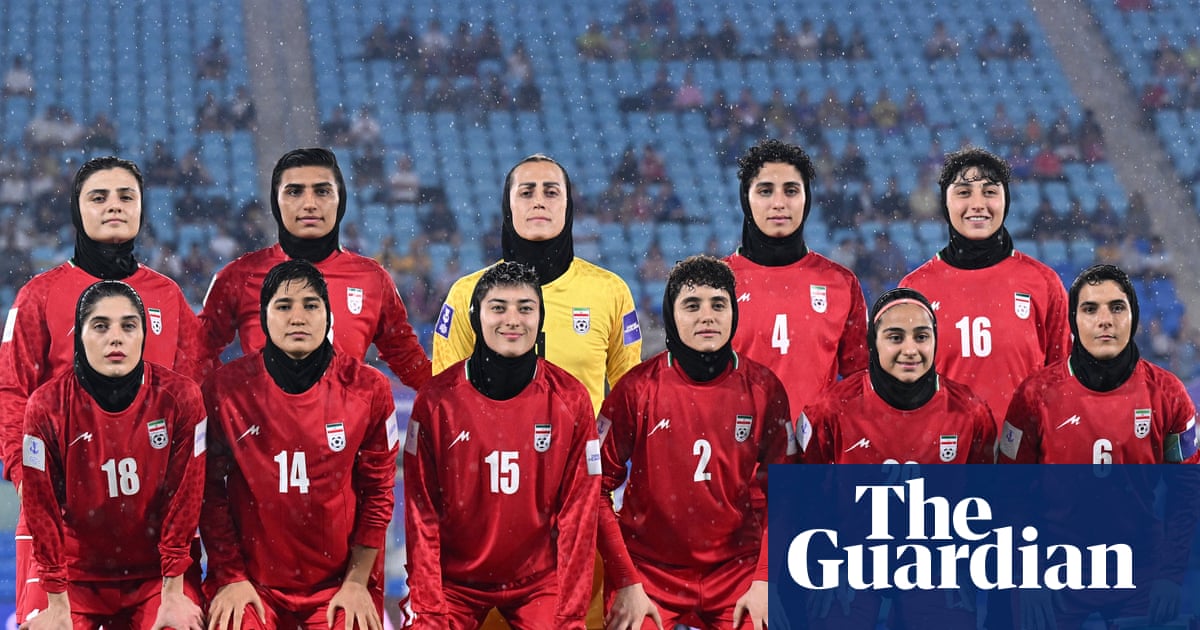



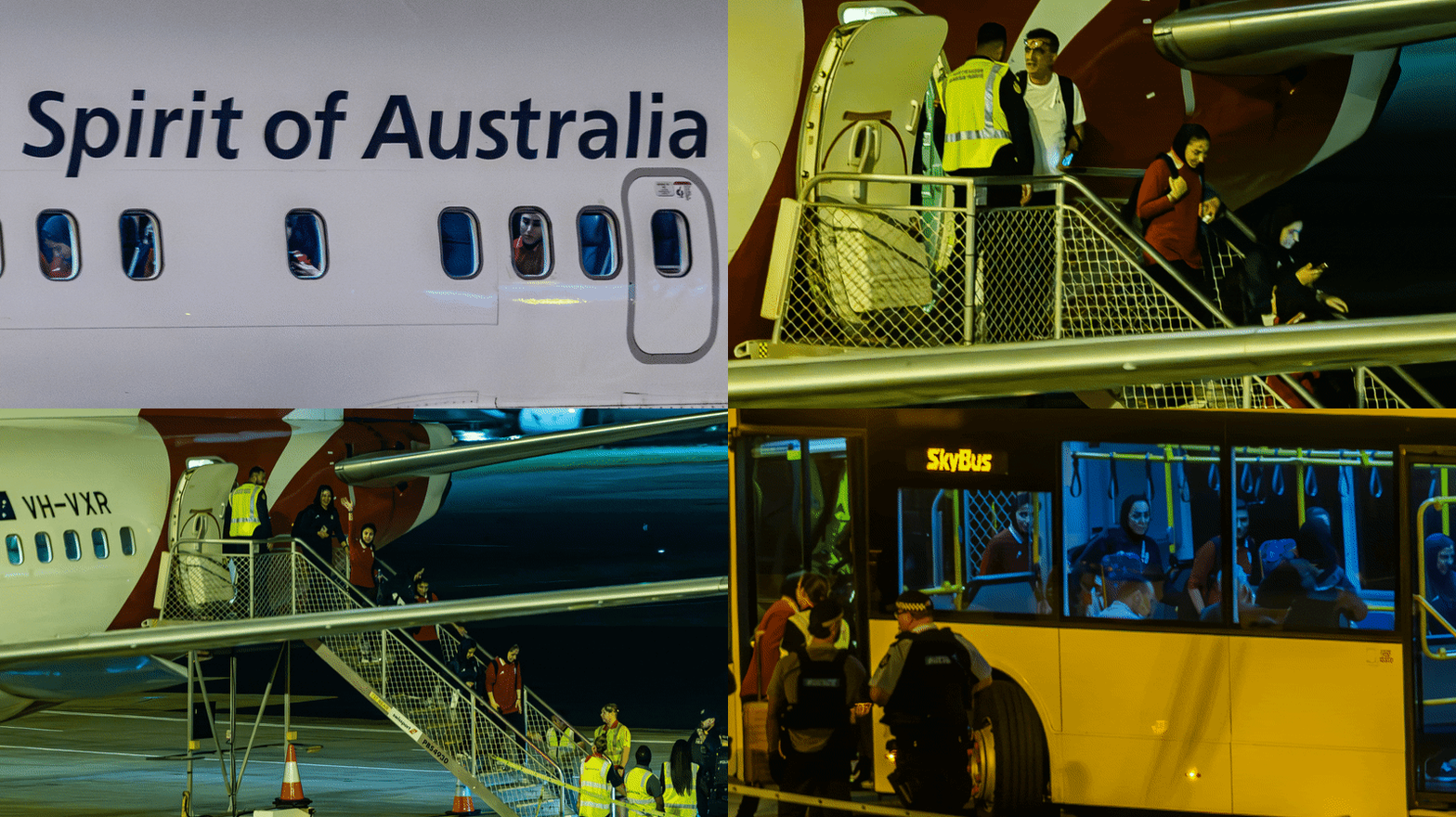
The unfolding saga of the Iranian women’s soccer team has taken a dramatic turn as one player, who initially sought asylum in Australia, has decided to return to Iran. This development comes amidst heightened tensions in the Middle East, with the US and Israel intensifying military actions against Iran, and the strategic Strait of Hormuz becoming a flashpoint.
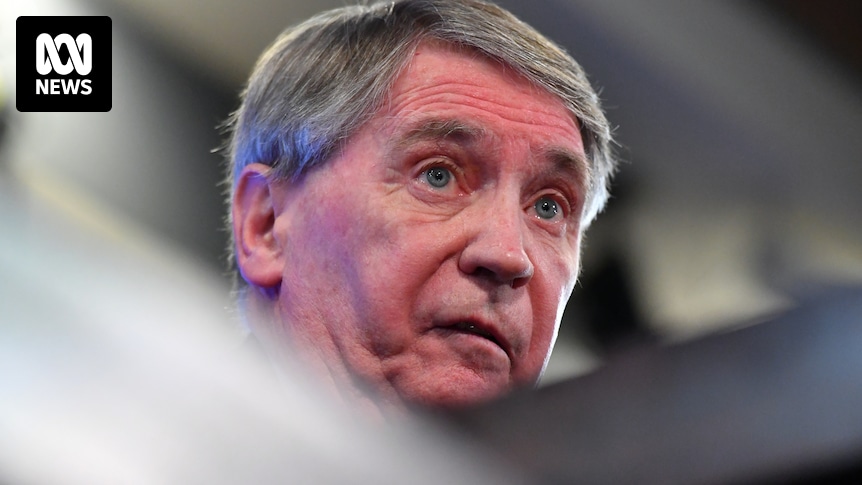
Home Affairs Minister Tony Burke announced that six members of the Iranian women’s soccer team have accepted Australia’s offer of humanitarian visas. However, one player changed her mind and sought to return to Iran, raising concerns about the pressure the athletes may be under from the Tehran regime.
Regional Tensions Escalate
The geopolitical landscape has been further complicated by recent military actions. The US Defense Secretary, Pete Hegseth, indicated that today would see intensified American strikes within Iran. This follows the US military’s release of footage showing the destruction of minelaying boats near the Strait of Hormuz, a vital oil transit route. The closure of this strategic passage has caused significant fluctuations in global oil prices.
Meanwhile, Israeli military actions in Lebanon have led to a humanitarian crisis, with nearly 700,000 people displaced. The conflict’s impact is felt across the region, with missile strikes reported in Beirut and near Dubai International Airport, where Iranian drones caused injuries to several individuals.
Economic and Political Repercussions
The ongoing conflict has had economic implications, notably affecting currency markets. The Australian dollar has surged, reaching its highest level since June 2022, buoyed by rising oil and gas prices and speculation of an interest rate hike by the Reserve Bank of Australia.
Politically, the situation remains volatile. Speculation about the health of Iran’s Supreme Leader, Ayatollah Mojtaba Khamenei, has intensified. Reports suggest he may have been injured in initial strikes by Israel and the US, though official statements claim he is unharmed.
Humanitarian Concerns and Propaganda Fears
The decision of one soccer player to return to Iran has sparked fears among the Iranian diaspora that the regime might exploit this for propaganda purposes. Community leaders in Australia express concern over the safety of the athletes and the potential for increased pressure on those who remain in Australia.
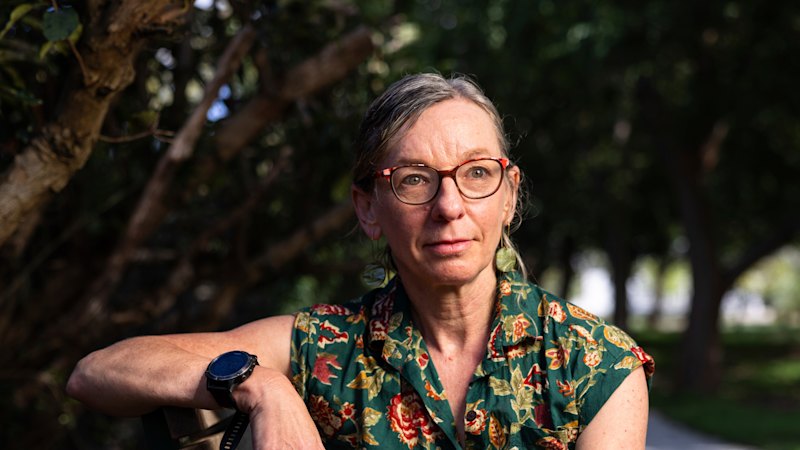
“They are clearly being threatened. I am worried for the rest of them,” said Tina Kordostami, a leader in Sydney’s Iranian-Australian community.
Human rights activist Sara Rafiee echoed these sentiments, highlighting the immense pressure the players face. The Iranian government has accused Australia of coercing the players, a claim strongly denied by Australian authorities.
International Reactions and Future Implications
The international community is closely monitoring the situation. A recent apology from a US Republican senator for a missile strike on an Iranian school, which resulted in significant casualties, underscores the complexity and sensitivity of the conflict. The incident has drawn widespread condemnation and calls for a thorough investigation.
As the Iranian women’s soccer team awaits the reopening of Iranian airspace to return home from Kuala Lumpur, the broader implications of their saga remain uncertain. The situation highlights the intersection of sports, politics, and human rights in a region fraught with conflict.
Looking ahead, the international community must navigate these challenges carefully to prevent further escalation and ensure the safety and rights of individuals caught in the crossfire of geopolitical tensions.