


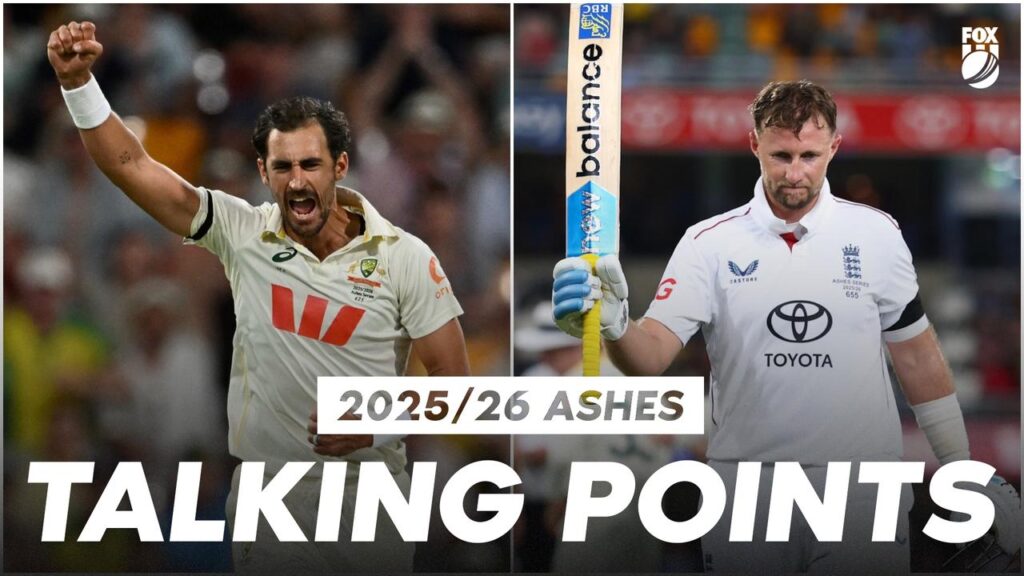
Joe Root’s maiden Test century in Australia, alongside a late surge from England’s Jofra Archer, has left the second Ashes Test at the Gabba finely poised. England ended the first day at 9-325, thanks to an unbeaten 61-run partnership between Root and Archer, who scored 135 and 32 respectively. This impressive performance came despite another fiery spell from Australia’s Mitchell Starc, who claimed 6-71 from 19 overs.
England, having won the toss and elected to bat, faced early difficulties at 2-5, courtesy of Starc’s remarkable opening spell. Zak Crawley provided some resistance with a rapid half-century, while captain Ben Stokes was run out in the evening session due to a stunning piece of fielding by reserve wicketkeeper Josh Inglis. The second day’s play resumes on Friday at 3 pm AEDT.
Stokes’ Declaration Dilemma
On the eve of the Gabba Test, England captain Ben Stokes was questioned about the possibility of a strategic declaration to expose Australia’s top order to the swinging pink ball under lights. As the day unfolded, Stokes found himself in that very scenario. With England’s lead nearing 300, he faced the decision of declaring early to let his bowlers capitalize on the conditions.
Stokes opted against the early declaration, a decision reminiscent of the 2023 Mount Maunganui Test against New Zealand, where a similar strategy paid off. Former Australian opener David Warner, commenting on Fox Cricket, expressed surprise at Stokes’ decision, noting the advantages of bowling under lights:
“Night time is the best time to bowl. Statistics prove that the hardest time to bat is under lights with a brand new cricket ball.”
However, Stokes’ caution may have been influenced by past experiences, such as the tense two-wicket loss at Edgbaston in 2023 after a day-one declaration. Former England bowler Isa Guha emphasized the importance of building a substantial first-innings score on a potentially deteriorating pitch:
“Make the bowlers tired, bat until tomorrow, utilize that first session tomorrow. That’s their best chance in this Test match.”
Lyon’s Omission Raises Eyebrows
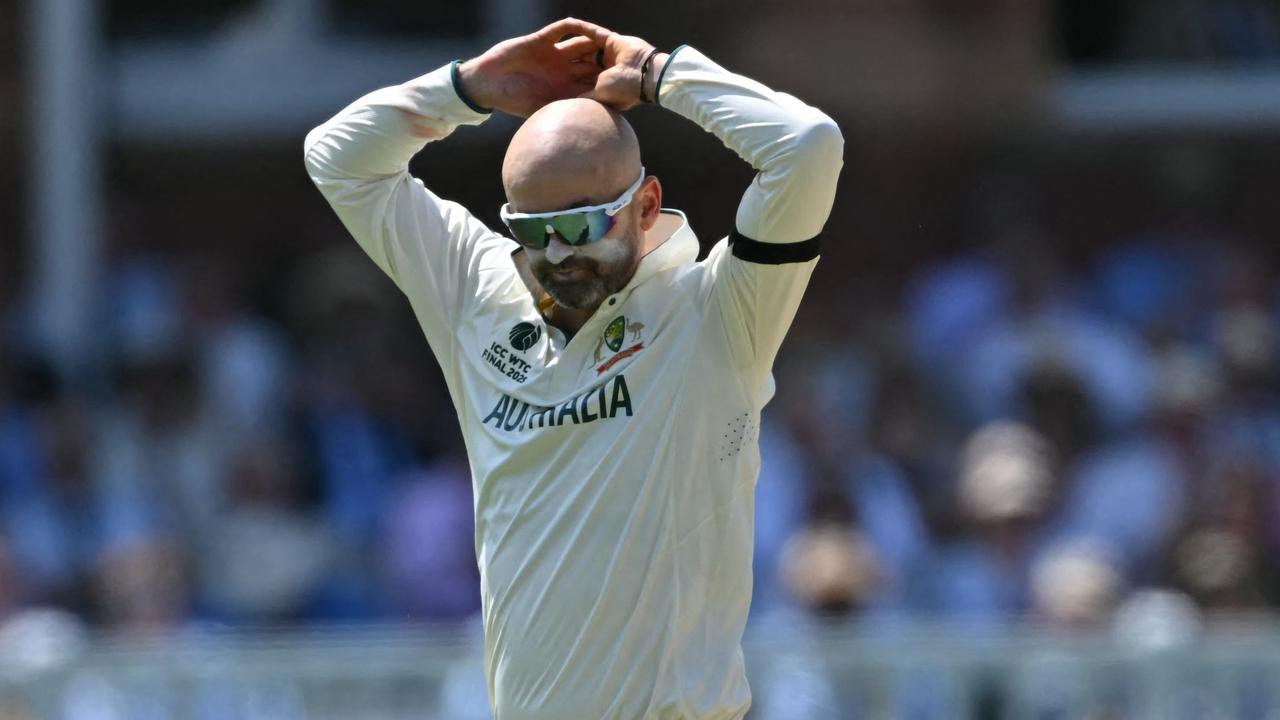
In a surprising move, Australia omitted veteran off-spinner Nathan Lyon from the Test squad, marking the first time in 14 years he was left out of a home Test. Lyon, who has a commendable record at the Gabba, expressed his frustration over the decision. The absence of Lyon’s spin could prove costly, as former spinner Kerry O’Keeffe noted the pitch’s potential for bounce, a key asset for Lyon.
Australia’s chairman of selectors, George Bailey, defended the decision, emphasizing the need for pace in the day-night Test. However, the choice has been met with skepticism. Former Australian captain Allan Border and batter Mark Waugh questioned the lack of variety in Australia’s bowling attack, especially with all-rounder Cameron Green cleared to bowl.
Without Lyon, Australia struggled to maintain over rates, reaching only 74 overs by day’s end, which could impact their World Test Championship standings. Isa Guha pointed out the missed opportunity for Australia to exploit the new ball under lights:
“You just think about Mitch Starc, another three or four overs at the end of the day with the second new ball to take a couple of wickets into tomorrow, it would have given them so much momentum.”
Root Breaks Australian Hoodoo
Joe Root’s century at the Gabba finally ended his long-standing struggle to score a Test hundred on Australian soil. Having previously averaged 33.33 without a century in Australia, Root’s 181-ball innings was a masterclass in patience and skill. His performance was crucial in stabilizing England’s innings after an early collapse.
Root’s efforts were praised by former captain Michael Vaughan:
“This England side needs some glue, some attritional glue in the middle, and he is the best for a reason. He can cope with the pressure and he has the technique.”
Root’s century not only boosted England’s position but also set the stage for a potential series-levelling victory, a feat he has yet to achieve in his 15 Tests in Australia.
Starc’s Ascendancy
Mitchell Starc continues to prove his mettle as one of cricket’s greats. Celebrating his 36th birthday next month, Starc has already claimed 16 wickets in the series, surpassing Wasim Akram as the leading wicket-taker among left-arm fast bowlers in Tests. His ability to consistently take wickets in the first over of innings has been a significant asset for Australia.
Starc’s success has been attributed to his relaxed run-up and strategic bowling, as noted by Brett Lee:
“His approach just looks effortless now. His brother’s an Olympic high-jumper. He’s got the genes in the family.”
Starc’s contribution is crucial in the absence of key players like Pat Cummins and Josh Hazlewood, positioning him as a strong contender for player-of-the-series accolades.
As the second day of the Test approaches, both teams have much at stake. England aims to capitalize on their strong start, while Australia will look to their bowlers, led by Starc, to regain control of the match. The unfolding drama at the Gabba promises an exciting continuation of the Ashes series.