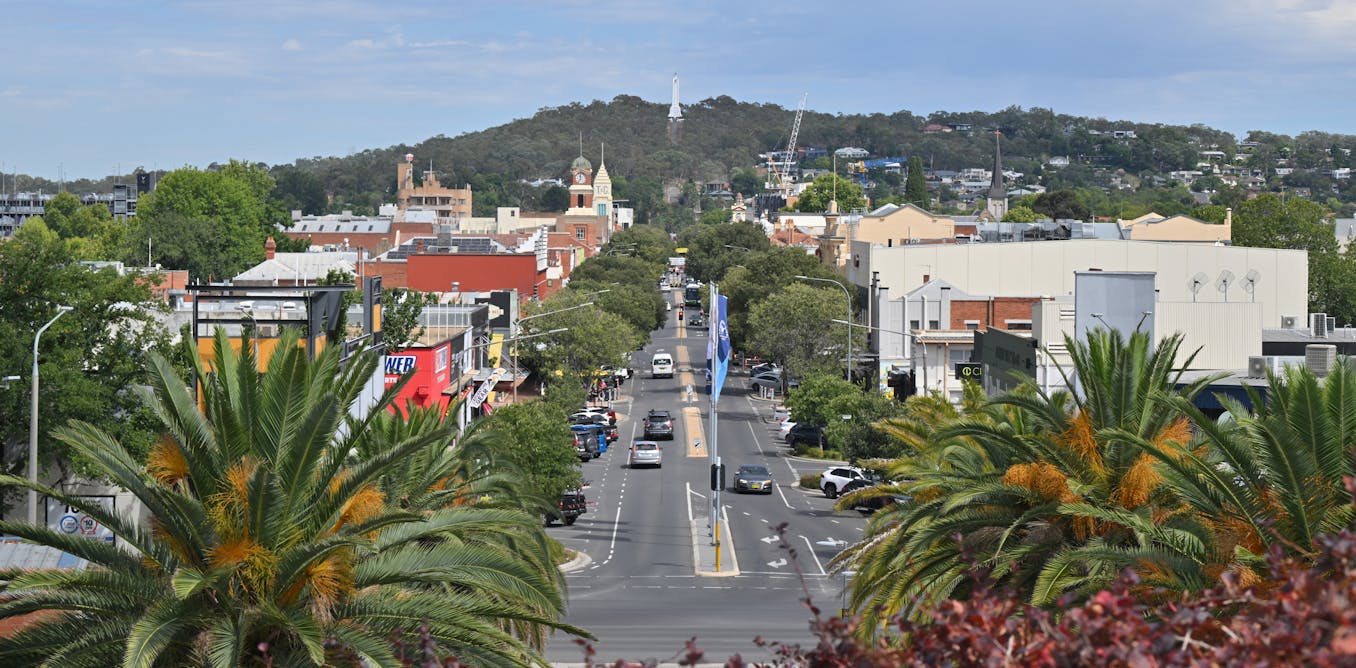





It’s been dubbed the world’s best city to live in, and home buyers might even have a chance to afford to live there. On Wednesday, Melbourne emerged as 2026’s best city in the world after global lifestyle media brand Time Out ranked its diversity, liveliness, and vibrant cultural scene above global hotspots like London, New York, and Shanghai. The magazine’s editor described the rankings as an “attitudinal survey” and acknowledged the city isn’t perfect, but noted that locals rate their city highly.
While the Victorian capital has come under scrutiny from some economists and the business lobby, the numbers on housing affordability tell a different story. Melbourne’s median house value is $977,579—only Hobart and Darwin houses come in at less. In Sydney, ranked 21 on Time Out’s list, the median house value has surged to $1,607,046, followed by Brisbane ($1,175,981) and Perth ($1,032,032), according to Cotality’s Home Value Index for February.
Comparative Affordability in Melbourne
Even Adelaide’s home value is higher than Melbourne’s, at just above $980,000. A million-dollar median house price is far from perfect, but relative to elsewhere, it is a story of success for first home buyers and livability. “The affordability story is a real positive one from Melbourne,” says Tim Lawless, head of research at Cotality.
“We look at things like the median house value. Sydney has got a median value for a house of $1.6 million, and Melbourne’s just under $978,000—that’s nearly a 40 percent gap. We’ve never seen a difference that large in the entirety of our back series, which goes back to 1980.”
It wasn’t always like this. Back when Melbourne was crowned the second-best city in 2016, it was also Australia’s second most expensive. However, Victoria has been delivering new housing, increased taxes on secondary homes which discouraged some property investors, and the 2020 pandemic and subsequent lockdowns prompted some population outflows.
Impact of the Pandemic and Policy Changes
“It’s pretty much been evolving that way since about 2021 … when we started to see a lot of the disruption that really caused Melbourne to have quite a soft housing market,” Lawless says. “A lot of people left the state through the pandemic.”
And while people are returning—recent research by property advisory firm Charter Keck Cramer found that Victoria’s population is expected to outgrow other states and territories over the next 25 years, adding about 1.3 million people in the decade from 2021—the state’s high debt burden and tax imposts on property investors are often cited as keeping the housing market from recovering strongly.
“It is unprecedented in many ways that Melbourne would be so comparatively affordable relative to Sydney, let alone Perth, Adelaide, and Brisbane,” Lawless says. “I mean, when you look at if you stack all the capital cities in a list and look at the median housing values, Melbourne comes in at number six now.”
Opportunities for First Home Buyers
But it also means buyers’ money goes a lot further. Victoria is leading the nation when it comes to first home buyers, who can now purchase an entry-level unit at a lower price than five years ago, Domain data shows. First home buyers made up almost a third of owner-occupier lending in Victoria in the year to September, Australian Bureau of Statistics data shows, above the 10-year average and a higher share than in NSW.
Separate Domain data shows an entry-level house price in Melbourne is $720,000, while the median price is $1,111,084—still less than Sydney’s entry house price of $1,150,000. Melbourne is also leading the country when it comes to rental affordability.
While rents in all Australian capital cities are at record highs, for houses, they are lowest in Melbourne, at $580 a week. In contrast, Sydney’s median asking rent for houses was $800, while Perth, Darwin, and Canberra all commanded $700 for houses.
“Rents in Melbourne, while still painfully high historically speaking … are still significantly lower than the other states,” says Ashleigh Chang, an associate in Grattan’s Housing and Economic Security Program. “It’s a step in the right direction for Melbourne.”
Effects of Investor Tax Regime
Victoria’s controversial investor tax regime has also helped Melbourne become one of Australia’s most affordable major housing markets. The latest rental bond data shows 23,000 landlords have exited the market since mid-2023, following the investor tax rises announced in the May 2023 state budget, a trend analysts say has helped home buyers.
Independent economist Saul Eslake says while these taxes were initially imposed by the Victorian government as a revenue-raising measure, they have inadvertently helped Melbourne’s housing affordability. “Victoria needed to raise more revenue or cut spending given the financial hole it is in—they were not intended as a housing policy measure,” he says. “But they’ve had the effect of discouraging investment in Victoria by property investors, and I would say that’s a good thing.”
Victoria has also built more homes than any other state, Eslake adds. “More dwellings have been completed in Victoria than NSW, despite NSW having 30 percent more people.”
Future Prospects and Urban Planning
For Chang, the real success of Melbourne (and Victoria) lies in its attention to housing supply. The state government has recently released all drafts for its 60 proposed activity centers, mostly based around public transport hubs in inner and middle Melbourne suburbs.
“One of the things we highlight in our last report is the type of reforms that have gotten us to that point where we were able to have more supply,” she says. “A big one is the townhouse code that allows two or three-story townhouses across most zones. Our recommendation is that we should be allowing … more townhouse apartments in the middle suburbs close to jobs, uni, transport, not just on the fringe.”
The announcement comes as Melbourne continues to navigate the challenges of urban growth and housing affordability. As the city plans for the future, its ability to maintain a balance between livability and economic viability will be crucial.