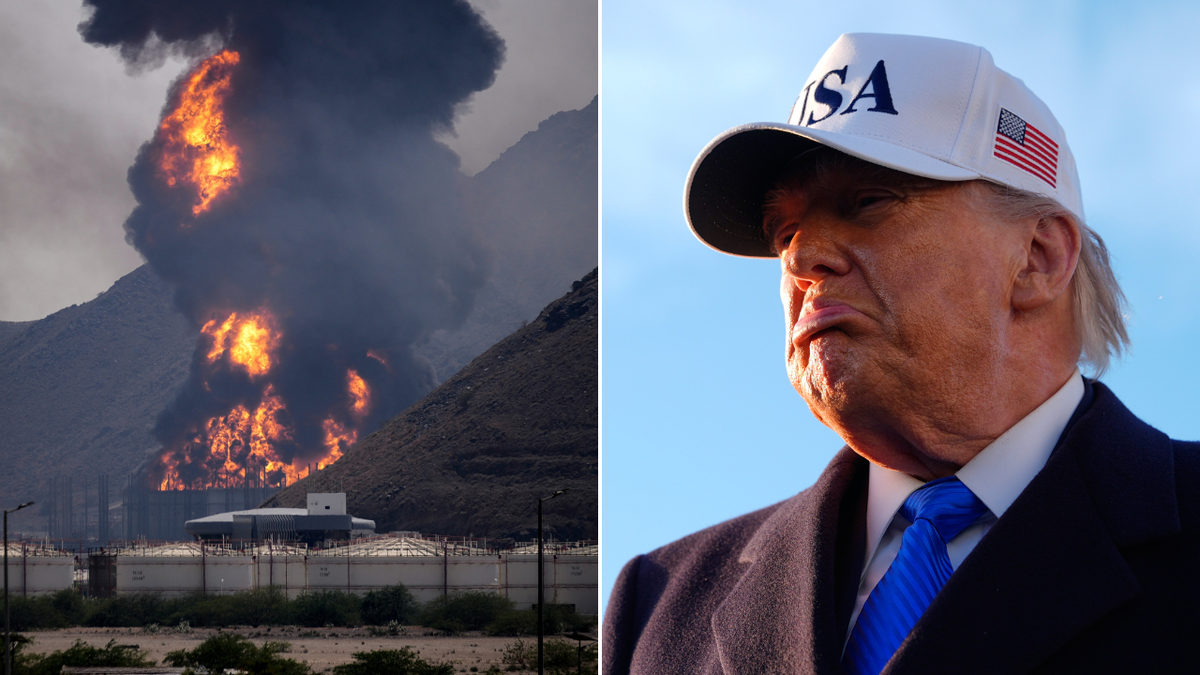

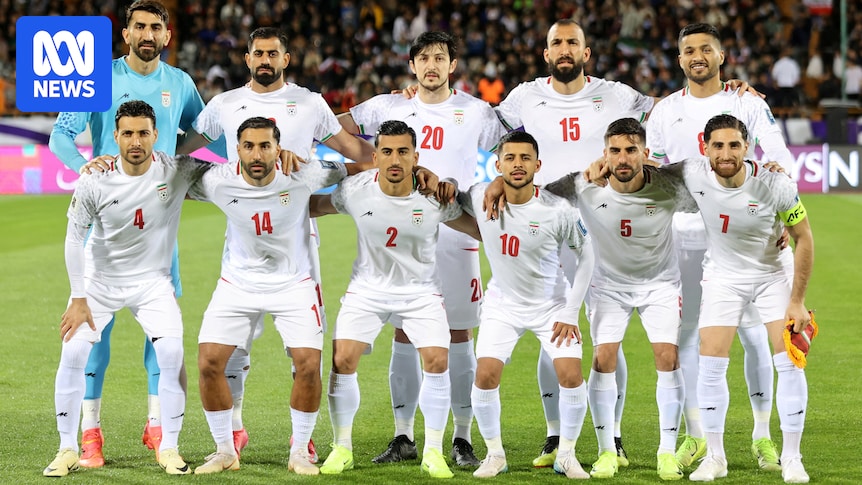
Iran’s participation in the upcoming men’s FIFA World Cup is under serious threat following a declaration by the country’s sports minister. On Wednesday, Ahmad Donyamali announced that Iran “under no circumstances” could compete in the tournament co-hosted by the United States, Canada, and Mexico, citing recent US air strikes as the primary reason.
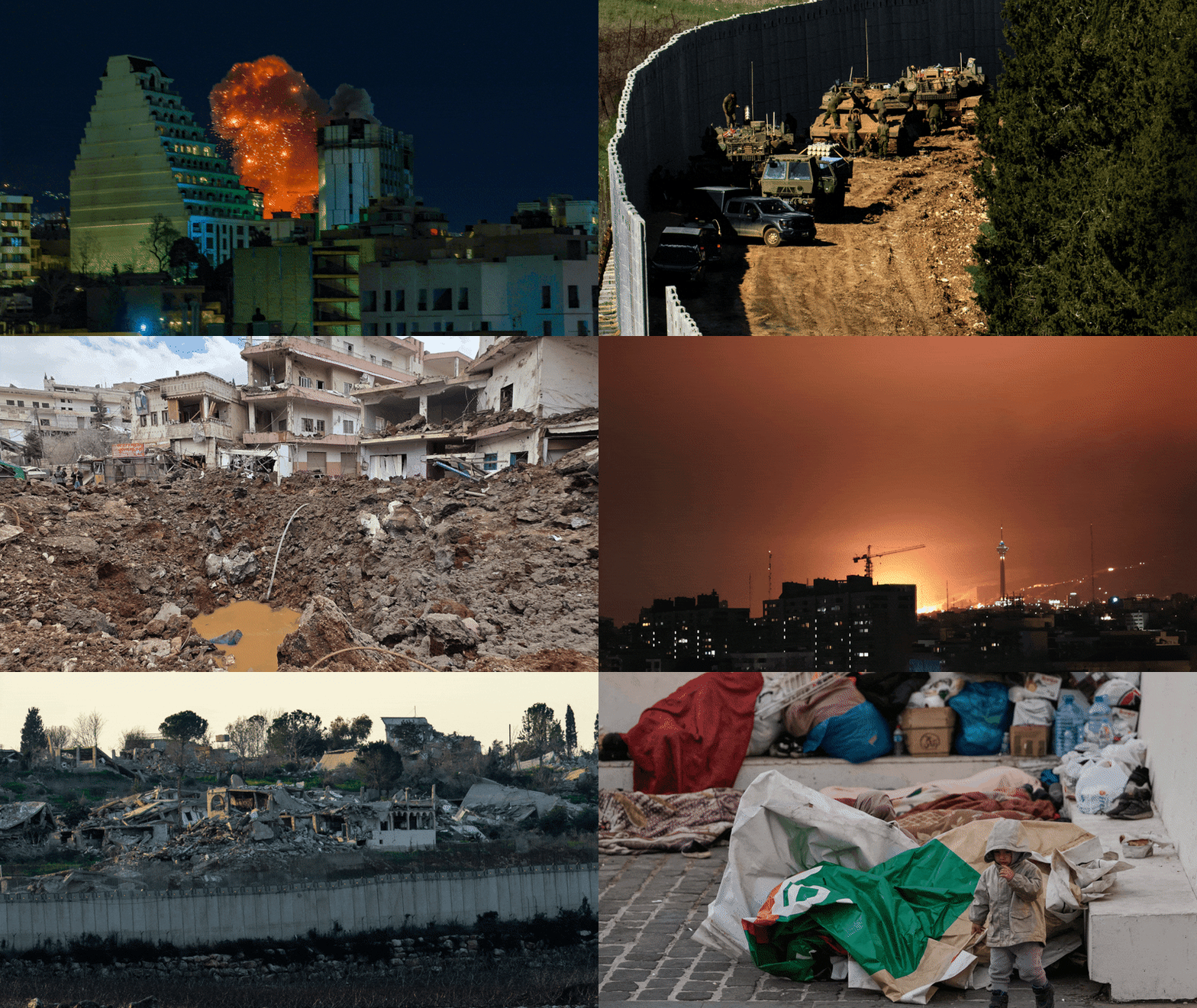
The air strikes, conducted in collaboration with Israel, resulted in the death of Iran’s supreme leader, Ayatollah Ali Khamenei, and have ignited a widespread regional conflict. This escalation has led to more than 1,300 Iranian civilian casualties since the strikes began on February 28, according to Iran’s UN ambassador, Amir Saeid Iravani.
Political Tensions Impacting Sports
Iran, one of the 48 teams scheduled to compete in the World Cup, has been grouped with Belgium, Egypt, and New Zealand in Group G, with all matches planned to take place in the US. However, the recent geopolitical developments have cast a shadow over Iran’s participation.
“Considering that this corrupt regime has assassinated our leader, under no circumstances can we participate in the World Cup,” Donyamali told state television. “Our children are not safe, and fundamentally, such conditions for participation do not exist,” he added, emphasizing the dire situation.
“Given the malicious actions they have carried out against Iran, they have forced two wars on us over eight or nine months and have killed and martyred thousands of our people. Therefore, we certainly cannot have such a presence.”
Iran’s absence from a recent FIFA planning summit for World Cup participants in Atlanta further fuels speculation about their withdrawal. There has been no immediate comment from the Iranian Football Federation or FIFA regarding the situation.
FIFA Regulations and Potential Consequences
According to FIFA regulations, any team withdrawing from the tournament “no later than 30 days before the first match” faces a minimum fine of 250,000 Swiss francs ($448,800). The regulations also state that disciplinary actions could include expulsion from future FIFA competitions and replacement by another member association.
Iran had chosen Tucson’s Kino Sports Complex as its base camp, and the potential withdrawal threatens to disrupt 18 months of preparation, posing an economic risk to Arizona. Additionally, Iranian fans who purchased tickets at high prices may resort to the resale market if the team boycotts the tournament.
International Reactions and Diplomatic Efforts
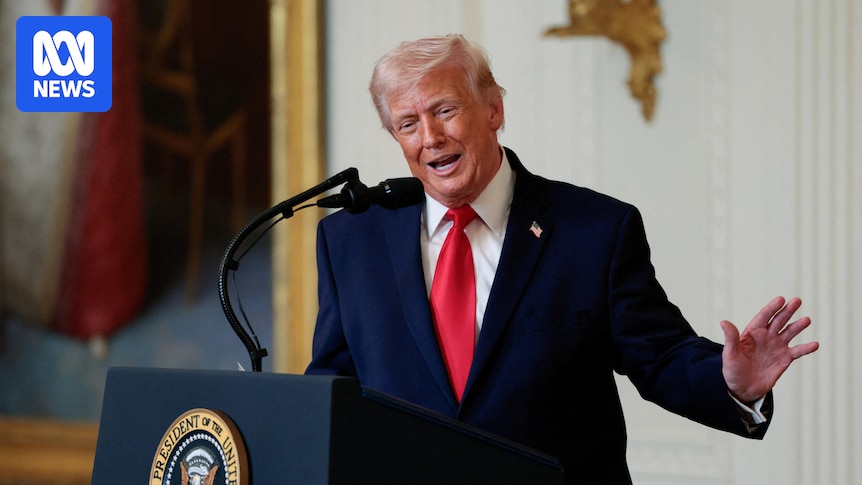
FIFA President Gianni Infantino recently met with US President Donald Trump, who expressed his openness to Iran’s participation. Despite Trump’s earlier indifferent stance, Infantino reported a productive discussion with the president, who reiterated that Iran is welcome to compete.
“During the discussions, President Trump reiterated that the Iranian team is, of course, welcome to compete in the tournament in the United States,” Infantino said.
Meanwhile, the ongoing conflict has also affected Iran’s preparations, with warm-up games deemed impossible due to the war. A source in Tehran indicated that Iran’s decision not to attend the World Cup is compounded by these logistical challenges.
Humanitarian Concerns and Asylum Requests
Amid the turmoil, Australia has granted humanitarian visas to five Iranian women soccer players who sought asylum, fearing persecution for their refusal to sing the national anthem at a Women’s Asian Cup match. This week, Australian police assisted two more members of the Iranian women’s soccer delegation in seeking asylum, although one has since decided to return to Iran.
As the situation unfolds, the global community watches closely to see how these developments will affect Iran’s participation in the World Cup and the broader implications for international sports amid geopolitical tensions.