

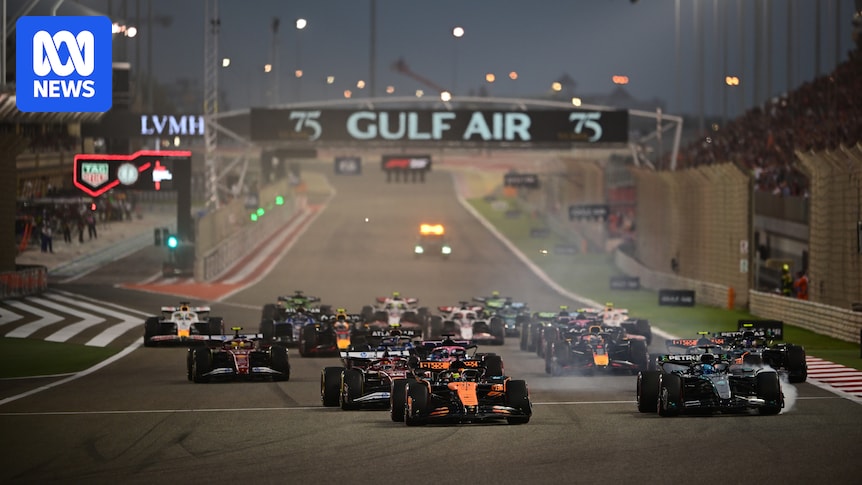
Formula 1 has announced the cancellation of the Bahrain and Saudi Arabia grands prix due to the escalating conflict in the Middle East. This decision creates a significant gap in the racing calendar, with a five-week hiatus between the Japanese Grand Prix on March 29 and the Miami Grand Prix on May 3.
The Bahrain Grand Prix was scheduled for April 10-12, followed by the Saudi Arabian event the next weekend. Despite these races being a month away, logistical preparations such as freight shipping were imminent. The decision to cancel was made as tensions in the region showed no signs of abating, with Manama and Jeddah, the host cities, experiencing heightened security risks.
Impact on the F1 Calendar
The cancellation of these events reduces the 2023 Formula 1 season from 24 rounds to 22. The announcement was made in Shanghai, ahead of the Chinese Grand Prix, with no replacement races planned for April. This decision underscores the challenges faced by global sporting events amid geopolitical tensions.
Stefano Domenicali, President and CEO of Formula 1, stated:
“While this was a difficult decision to take, it is unfortunately the right one at this stage considering the current situation in the Middle East.”
The financial implications are significant, with the BBC reporting a potential commercial loss of approximately 100 million British pounds ($189 million). Both Bahrain and Saudi Arabia are known for their substantial hosting fees, contributing heavily to Formula 1’s revenue.
Historical Context and Comparisons
This is not the first time Formula 1 has had to adjust its calendar due to external conflicts. The sport has previously faced similar disruptions, such as the cancellation of races during the Gulf War in the early 1990s. Such decisions highlight the delicate balance between sports and international politics.
Meanwhile, the FIA, motorsport’s governing body, has also postponed the opening event of the World Endurance Championship in Qatar, originally set for March 26-28, now rescheduled for October. This postponement further illustrates the widespread impact of the current Middle Eastern conflict on international motorsport.
Looking Ahead
With the cancellation of these two grands prix, teams and fans alike face an extended break before the action resumes in Japan. The five-week gap provides teams with additional time to regroup and strategize for the remainder of the season. However, it also poses challenges in maintaining momentum and engagement among fans.
The situation in the Middle East remains fluid, and Formula 1 will continue to monitor developments closely. The sport’s governing bodies are committed to ensuring the safety of all participants while navigating the complexities of an international racing calendar.
As the world of motorsport adjusts to these changes, the focus will shift to upcoming races and the ongoing efforts to deliver a thrilling and competitive season despite unforeseen obstacles.