

In a dramatic turn of events at Sydney Airport, two additional members of the Iranian women’s soccer delegation have been granted asylum in Australia. This development occurred as tensions in the Middle East continue to escalate, with mines reportedly being placed in the strategic Strait of Hormuz.
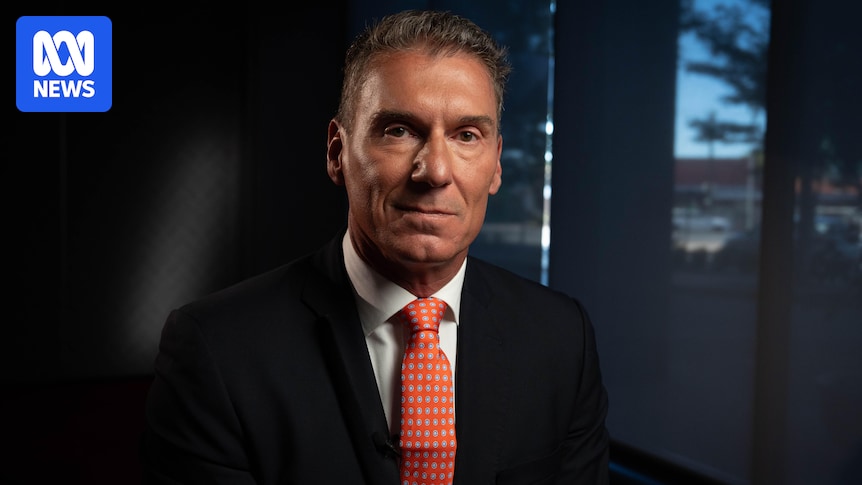
Home Affairs Minister Tony Burke confirmed the asylum grants, noting that one player hesitated until the last minute before deciding to leave the country. The asylum applications were processed after private meetings with the entire team and support staff, ensuring they were informed of their legal rights to seek protection in Australia. The delegation was scheduled to depart for Kuala Lumpur late last night.
Asylum Decisions Amidst Rising Tensions
The two women who stayed behind in Brisbane—a player and a support staff member—have now reunited with five other players who escaped their handlers earlier this week. Among them is Mohaddeseh Zolfi, a 21-year-old forward, and Zahra Soltan Moshkehkar, a member of the support staff.
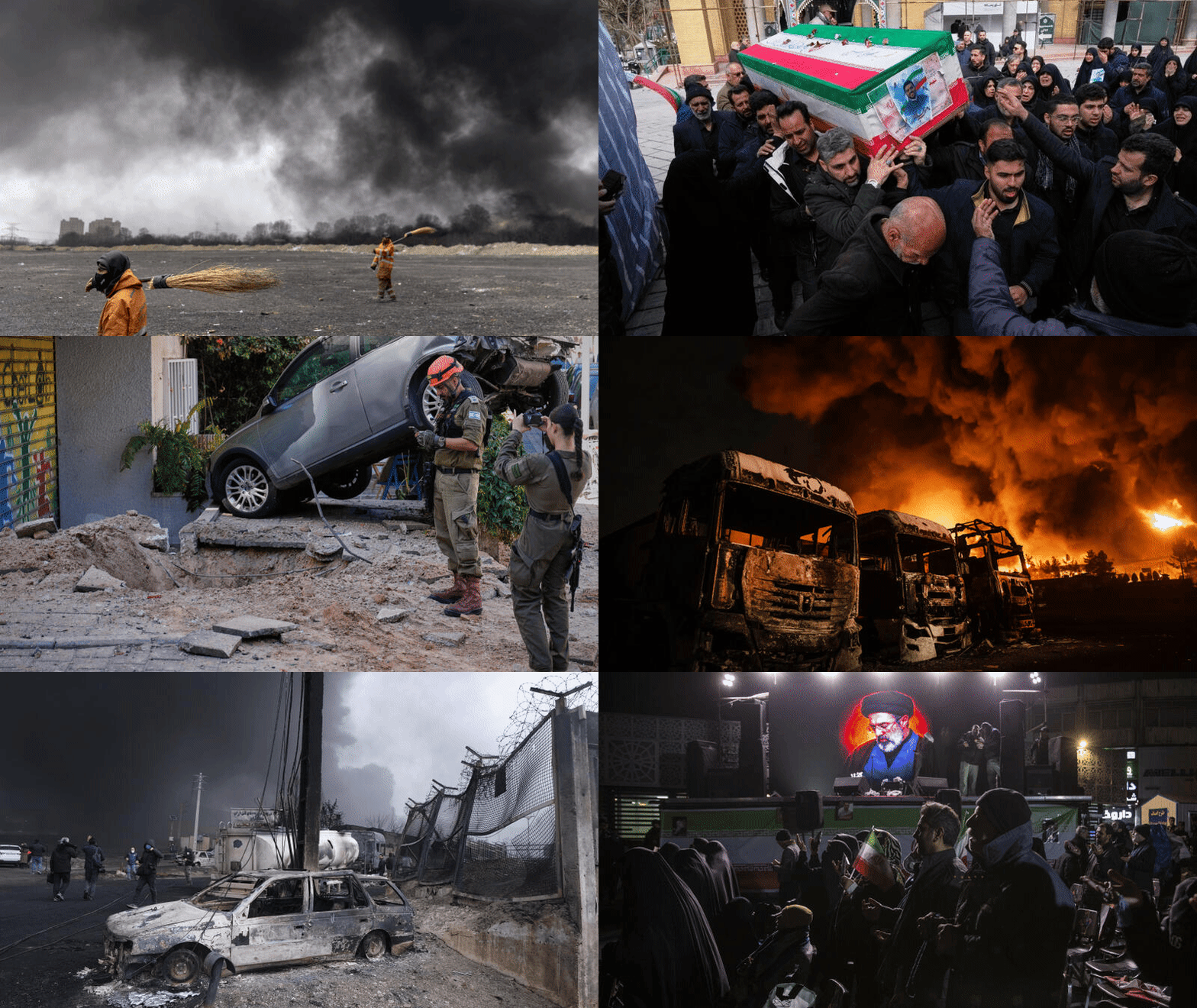
Meanwhile, the Pentagon has confirmed that 140 US service members have been injured in the ongoing US-Israeli conflict with Iran, with eight in critical condition.
“Since the start of Operation Epic Fury, approximately 140 US service members have been wounded over 10 days of sustained attacks,” Pentagon spokesperson Sean Parnell stated.
Seven US military personnel have been killed since the operation began on February 28.
Political Reactions and Military Developments
Democratic US senators have voiced concerns about the Iran conflict, particularly regarding Russia’s support for Iran’s military. They have demanded that key figures in the Trump administration, including Secretary of State Marco Rubio and Defense Secretary Pete Hegseth, testify before Congress about the military operations in the Middle East. The New York Times reported that top Democrats have written to President Trump, urging clarity on the objectives and potential outcomes of the conflict.
Senator Jeanne Shaheen expressed her worries on CNN, highlighting the risks associated with deploying ground troops to Iran.
“We know that Russia is already helping with intel, providing that to Iran, and that there’s an axis with Russia and China, Iran, and North Korea that puts at greater risk the United States and our national security,” Shaheen said.
Australia’s Immigration Policy and the Strait of Hormuz
Amid these geopolitical tensions, Australia is revising its immigration policies. Home Affairs Minister Tony Burke emphasized the need for deliberate decisions regarding who is allowed to enter the country, especially as the Iranian conflict escalates. This policy shift aims to prevent temporary visa holders from remaining in Australia indefinitely due to unforeseen conflicts in their home countries.
In a related development, the US military released a video purportedly showing the destruction of mine-laying boats near the Strait of Hormuz. US Central Command reported the elimination of 16 minelayers, following President Trump’s warning to Iran about severe military consequences should they attempt to disrupt this critical waterway.
Humanitarian Concerns and Future Implications
Back in Australia, Minister Burke assured that no members of the Islamic Revolutionary Guard Corps were granted visas to escort the Iranian soccer team. He confirmed that all team members had the opportunity to speak privately with Australian officials, free from external pressure.
The Iranian women’s soccer team had inquired about the possibility of aiding their families’ escape from Iran. However, Burke acknowledged the challenges, stating,
“The challenge with Iran is we can’t even get Australian citizens, necessarily, out of Iran.”
He noted that while permanent residents have certain sponsorship rights, these are moot if individuals cannot leave Iran.
As the remaining team members departed for Iran, protesters at Sydney Airport pleaded with them to stay. Burke reiterated Australia’s commitment to offering choices without coercion, emphasizing the nation’s humanitarian values.
The unfolding situation highlights the complex interplay between international diplomacy, military strategy, and humanitarian efforts. As tensions continue to rise in the Middle East, global powers and local governments alike must navigate these challenges carefully to prevent further escalation.