
The ongoing conflict in the Middle East intensified on Monday as a series of airstrikes and military warnings heightened tensions across the region. A man was killed and several others injured in central Israel following an airstrike, according to Israeli emergency services, Magen David Adom. Meanwhile, debris from an intercepted airstrike led to injuries in Abu Dhabi, United Arab Emirates.
The attack in Israel, which remains unclaimed, resulted in the death of a man in his 40s and left another in serious condition. As residents scrambled to safety, a 78-year-old man sustained a head injury. In Abu Dhabi, a Jordanian national and an Egyptian national were injured by debris, suffering minor and moderate injuries respectively.
Human Rights Watch Accusations
Adding to the turmoil, Human Rights Watch (HRW) accused the Israeli military of unlawfully using white phosphorus munitions in southern Lebanon. The NGO’s findings, based on verified images, suggest that airburst white phosphorus was deployed over a residential area in Yohmor on March 3.
“The Israeli military’s unlawful use of white phosphorus over residential areas is extremely alarming and will have dire consequences for civilians,” stated Ramzi Kaiss, Lebanon researcher at Human Rights Watch.
White phosphorus, while not classified as a chemical weapon under the Chemical Weapons Convention, is prohibited for use against civilians under international law. The Israeli Defense Forces (IDF) have yet to respond to these allegations, which echo past accusations of similar actions in Gaza and Lebanon.
Economic Ramifications: Oil Prices Surge
As military actions continue, the economic impact is beginning to manifest globally. G7 finance ministers are set to discuss the release of emergency oil reserves after the conflict drove crude prices above $100 per barrel for the first time since 2022. This emergency meeting, coordinated by the International Energy Agency, aims to address the potential energy supply crisis.
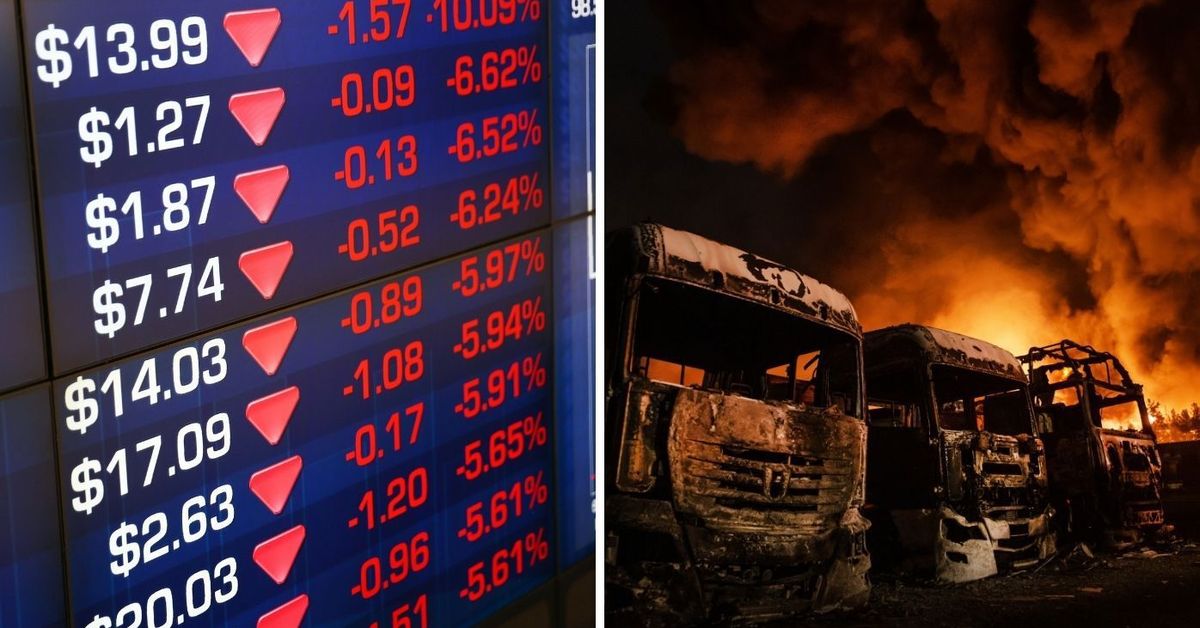
The surge in oil prices has already triggered a significant sell-off in major stock markets, with economists warning of potential stagflation—a scenario where economic growth stagnates while inflation rises. The ongoing conflict threatens to exacerbate these economic challenges.
Warnings and Military Movements
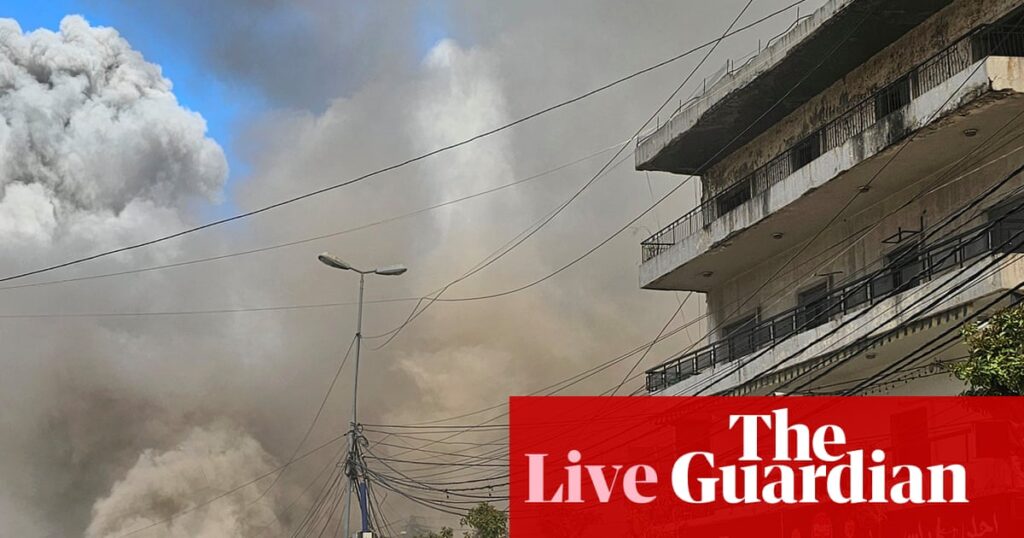
In a related development, the Israeli military issued a new warning to residents of southern Beirut, urging them to evacuate in anticipation of military actions against Hezbollah-linked infrastructure. The IDF’s warnings come amid rising tensions with Al-Qard al-Hassan, a financial organization sanctioned by the US for its alleged ties to Hezbollah.
Meanwhile, Turkey announced plans to deploy six F-16 fighter jets to northern Cyprus, a move aimed at bolstering the defenses of the Turkish Cypriot community as regional conflicts escalate.
Broader Regional Impact
The conflict’s repercussions are being felt across the Middle East. In Bahrain, state-owned energy company Bapco declared force majeure following an attack on its sole oil refinery. This follows Qatar’s similar declaration last week, highlighting the broader impact on energy exports in the region.
Amidst the chaos, Iran has appointed Mojtaba Khamenei as the successor to his slain father, Ali Khamenei, as supreme leader, signaling a continued hardline stance. Fresh missile and drone strikes between Israel and Iran have further destabilized the region, with reports of attacks on US facilities in Iraq and smoke rising from Bahrain’s oil refinery.
As the conflict enters its tenth day, the international community watches closely, with Pope Leo warning of “a tragedy of enormous proportions” due to the “widespread climate of hatred and fear” across the region.
The situation remains fluid, with potential for further escalation. The global community faces the challenge of addressing both the immediate humanitarian needs and the long-term economic implications of this ongoing conflict.