




March 10, 2026 — 5:00am
In an era where digital devices dominate our traveling experiences, the humble paperback book remains an essential travel companion for many. As airlines increasingly move away from providing seat-back screens, opting instead for passengers to use their own devices, the role of traditional books is being reconsidered by frequent flyers.
This shift in airline policy is driven by a combination of cost-cutting measures and the desire to reduce aircraft weight, subsequently lowering fuel consumption. However, the transition has not been seamless for all travelers. Many passengers find themselves unprepared for the absence of in-flight entertainment systems, particularly during unforeseen delays or technical malfunctions.
The Decline of In-Flight Entertainment Systems
Recent developments in the airline industry have seen companies like Qantas removing seat-back screens from their new planes, particularly on domestic and short-haul international routes. This move is part of a broader trend where airlines encourage passengers to bring their own devices (BYOD) for in-flight entertainment.
While this approach aligns with modern travel habits, where smartphones and tablets are ubiquitous, it also reflects a significant shift in how airlines manage costs and resources. According to industry experts, maintaining in-flight entertainment systems can be expensive and technically challenging, leading many airlines to phase them out in favor of passenger-provided solutions.
The Reality of BYOD on Flights
For travelers like Lee Tulloch, a seasoned writer and frequent flyer, the absence of seat-back screens has been a mixed experience. On a recent flight to Hobart on the new Qantaslink A220, Tulloch found herself relying on her phone for entertainment, propped up on a tray table. While this setup sufficed for short flights, it highlighted the limitations of personal devices for longer journeys.
“Watching movies and TV shows on my phone is fine, but I wouldn’t want to watch Frankenstein on it,” Tulloch remarked, emphasizing the value of larger screens for an immersive viewing experience.
Technical Glitches and Passenger Preparedness
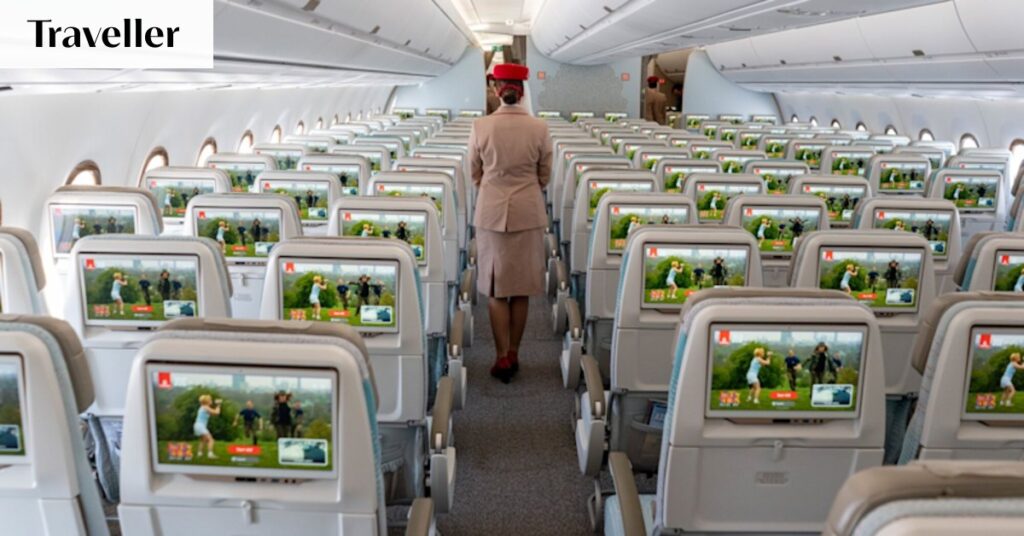
Technical failures can further complicate the in-flight entertainment landscape. Tulloch recounted an experience on an Emirates flight from Paris, where thick fog delayed departure and the in-flight entertainment system failed to function. Despite efforts to reboot the system, passengers were left without digital entertainment for hours.
This scenario underscores the importance of being prepared for potential disruptions. While many passengers resorted to staring at the blank screens in front of them, Tulloch had a reliable backup plan: a paperback book.
The Enduring Appeal of Books
In a world where digital distractions are omnipresent, books offer a unique form of engagement that is both portable and reliable. Tulloch describes them as an integral part of her travel survival kit, noting their simplicity and lack of dependency on power sources.
“Along with an eye mask, I always bring a paperback with me when I travel. It’s a non-negotiable component of my survival kit,” Tulloch shared.
Books provide a tactile and immersive experience that digital devices often cannot replicate. They require no charging, are lightweight, and can be easily replaced if forgotten or lost. For many, they represent a welcome escape from the digital noise of modern travel.
Looking Ahead: The Future of In-Flight Entertainment
As airlines continue to evolve their approach to in-flight entertainment, passengers may need to adapt by diversifying their travel kits. While digital devices will undoubtedly remain a staple, the enduring appeal of books suggests they will continue to play a vital role in enhancing the travel experience.
For parents, introducing children to books during flights could also mitigate the need for constant digital engagement, fostering a love for reading and providing a quieter cabin environment.
Ultimately, as the airline industry navigates these changes, passengers are encouraged to embrace a blend of old and new, ensuring a more enjoyable and resilient travel experience.