




British police have arrested three men on suspicion of espionage activities for China, including the husband of a lawmaker from Prime Minister Keir Starmer’s ruling Labour Party. The arrests, which took place in various locations across the UK, have been reported by local media and have sparked significant political and diplomatic repercussions.
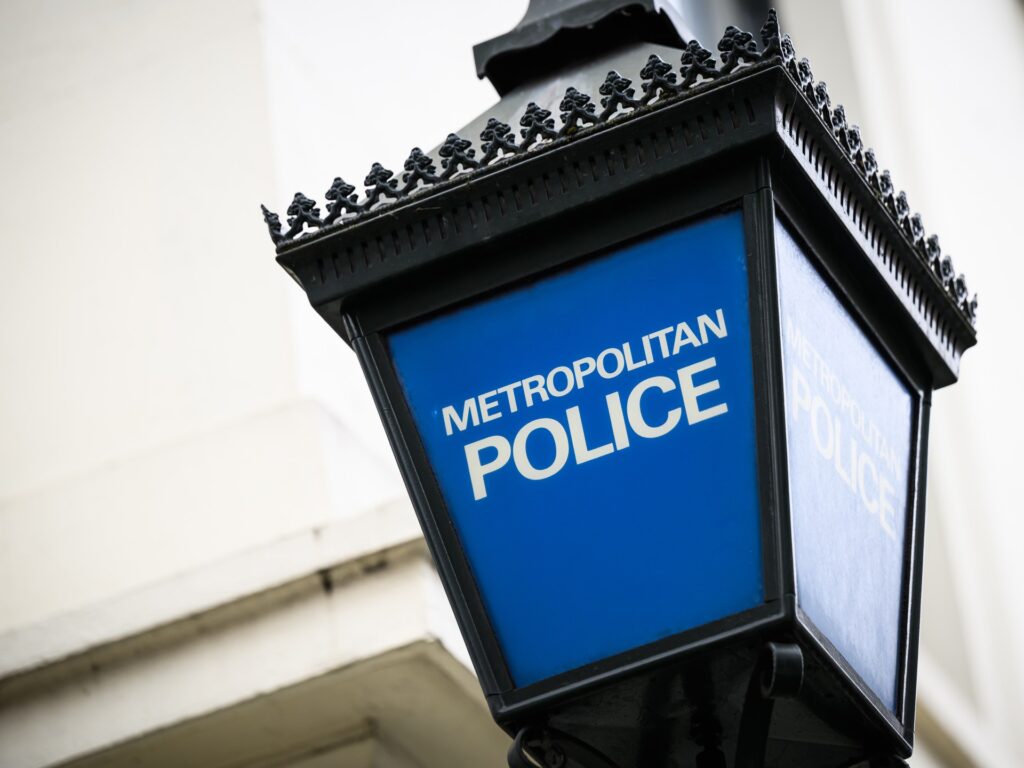
London’s Metropolitan Police announced on Wednesday that the three individuals were allegedly involved in assisting a foreign intelligence service, violating the National Security Act of 2023. This legislation was recently introduced to enhance the UK’s ability to combat foreign interference.
Details of the Arrests
While the police have refrained from naming the detained individuals, pending formal charges, they disclosed the arrests of a 39-year-old man in London, a 68-year-old man in Powys, Wales, and a 43-year-old man in Pontyclun, Wales. Reports by The Times and the Telegraph have identified one of the arrested as the husband of Joani Reid, the Labour MP for East Kilbride in Wales.
In response to these reports, Reid released a statement asserting her lack of knowledge regarding any illegal activities by her husband, David Taylor, a former Labour Party adviser. She emphasized her non-involvement in her husband’s business activities and distanced herself and her children from the investigation.
“I have never seen anything to make me suspect my husband has broken any law,” Reid stated. “I have never been to China. I have never spoken on China or China-related matters in the [House of] Commons.”
Diplomatic Tensions and Reactions
The arrests have further strained the already tense relations between the United Kingdom and China, who have been trading accusations of espionage in recent years. The Chinese embassy in London condemned the arrests, accusing the UK of fabricating facts to malign China and lodged a formal protest.
British Security Minister Dan Jarvis commented on the situation, highlighting the government’s consistent stance on the perceived threats posed by China. He expressed concerns over the increasing covert activities by Chinese state-linked actors targeting UK democracy.
“The government has been consistent and unambiguous in our assessment that China presents a series of threats to the United Kingdom,” Jarvis said. “We remain deeply concerned by an increasing pattern of covert activity from Chinese state-linked actors targeting UK democracy.”
Background and Broader Implications
This development follows a warning issued last November by MI5, the UK’s domestic intelligence agency, about Chinese agents attempting to recruit British lawmakers through cover companies or social media platforms like LinkedIn. These claims have been strongly denied by Beijing, which has consistently rejected allegations of espionage.
The arrests could potentially complicate Prime Minister Keir Starmer’s efforts to improve diplomatic relations with China. Earlier this year, Starmer visited Beijing and approved the construction of the largest Chinese embassy in Europe in London, a move that faced criticism for seemingly prioritizing economic ties over national security concerns.
As the investigation unfolds, the UK government faces the challenge of balancing its diplomatic relations with China while addressing national security threats. The outcome of this case may influence future policies and the broader geopolitical landscape.
Looking ahead, the UK’s approach to handling foreign interference and espionage will likely be scrutinized, with potential implications for its international alliances and domestic security policies.